
Zomato Marketing Strategy: A Comprehensive Case Study explores how Zomato has evolved from a simple restaurant discovery platform into one of the world’s most powerful food-tech and digital brands. No longer just a food delivery app, Zomato has mastered modern internet marketing by combining creativity, adaptability, and deep audience understanding.
This in-depth case study analyzes the Zomato marketing strategy, covering its target audience, digital marketing channels, social media presence, email marketing campaigns, influencer partnerships, meme marketing, brand collaborations, and video advertising approach. It highlights how Zomato consistently stays relevant, builds emotional connections, and drives massive growth in a fast-changing digital landscape.
Introduction to Zomato
Zomato Marketing Strategy: A Comprehensive Case Study begins with the company’s clear and focused vision—to become the best restaurant search and discovery platform. In its early years, Zomato offered users detailed restaurant information, including menus, pricing, reviews, ratings, and location details. As the platform scaled, it rapidly expanded to list over 1.4 million restaurants across 23 countries, making it one of the largest restaurant databases globally.
However, Zomato did not stop at discovery alone.
With changing consumer behavior and the rapid rise of online food ordering, Zomato strategically evolved into a full-fledged food delivery platform. Today, users can seamlessly place orders through the Zomato app or website, while delivery partners ensure timely doorstep delivery.
This transformation was fueled by a culture of experimentation, agility, and continuous learning. As Zomato’s Co-founder and CEO, Deepinder Goyal, once stated:
“If something does not go as planned, then the core team of Zomato is always ready to pick it up and go through the same afresh, making the necessary changes.”
This mindset forms the foundation of Zomato’s marketing strategy and explains its sustained success in a competitive digital landscape.
This mindset forms the foundation of Zomato’s marketing philosophy.
Understanding Zomato’s Target Audience

A successful marketing strategy begins with a deep understanding of the target audience—and this is where Zomato truly excels. Zomato Marketing Strategy: A Comprehensive Case Study highlights how the brand has built its growth by aligning its offerings with the lifestyle and preferences of modern urban consumers.
Primary Target Group
Zomato primarily targets urban, tech-savvy individuals aged between 18 and 35 who are comfortable using smartphones and mobile applications. This core audience includes college students, young professionals, working individuals with busy schedules, people living away from home, and urban consumers who prioritize convenience.
Customer Segments
Zomato effectively caters to two major and often overlapping customer segments: those who prefer dining out and those who order food at home or work. To serve both groups, Zomato introduced programs like Zomato Gold, offering exclusive dining benefits, discounts, and delivery perks. This dual-focus strategy ensures relevance whether users seek a restaurant experience or doorstep convenience.
Lifestyle-Driven Audience
As outlined in Zomato Marketing Strategy: A Comprehensive Case Study, Zomato’s audience is largely lifestyle-driven. It includes office-goers ordering meals at work, students living in hostels or dormitories, individuals with limited time or space to cook, and people who enjoy exploring new food options occasionally.
By addressing everyday lifestyle needs rather than positioning itself solely as a food delivery service, Zomato successfully embeds itself into users’ daily routines—transforming the platform into a habit rather than an occasional convenience.
Zomato’s Digital Marketing Channels
Zomato relies heavily on digital marketing channels to attract, engage, and retain users. Zomato Marketing Strategy: A Comprehensive Case Study highlights how the brand effectively uses performance-driven advertising to capture high-intent demand and strengthen brand visibility.
Search Engine Marketing (SEM)
Zomato makes extensive use of Google Ads to reach users who are actively searching for food-related services. The brand targets high-intent keywords such as “food near me,” “online food order,” “restaurants nearby,” and popular restaurant names. By appearing at the exact moment users express purchase intent, Zomato significantly improves click-through rates and conversions.
Display Advertising
Beyond search ads, Zomato also invests in Google Display Network (GDN) campaigns. These display ads appear across third-party websites and mobile applications, ensuring consistent brand visibility even when users are not actively looking to order food. This approach strengthens brand recall, encourages repeat usage, and keeps Zomato top-of-mind in a competitive digital environment.
Social Media and Digital Marketing Strategy of Zomato
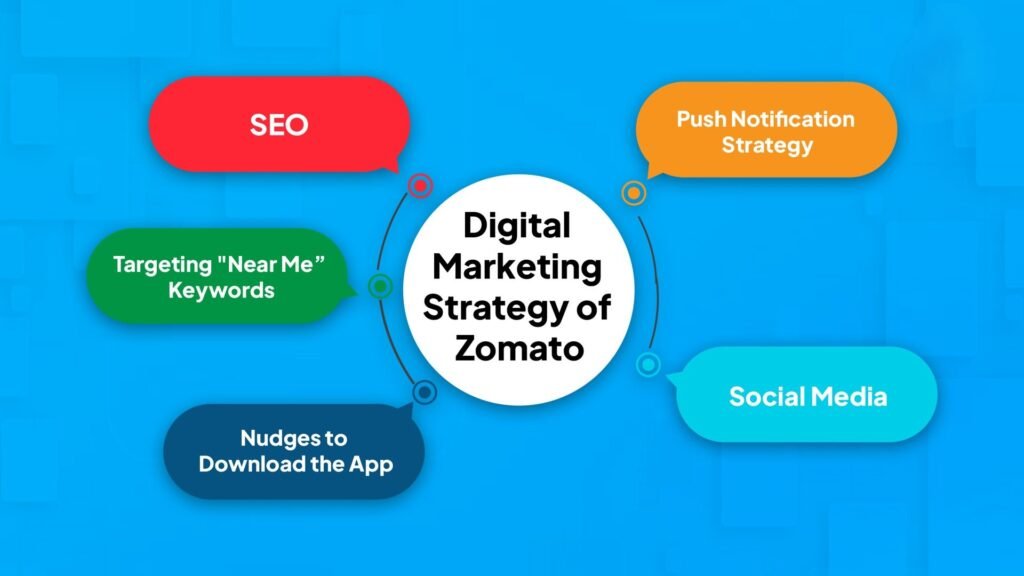
Zomato’s digital marketing success is closely tied to its strong social media presence.
Platform Presence
Zomato is highly active on:
- Twitter (X)
As of mid-2019, Zomato had:
- Over 726,000 Instagram followers
- Nearly 1.9 million Twitter followers
- Around 1.42 million Facebook followers
These numbers have grown significantly since then, proving the effectiveness of their content strategy.
Content That Connects Emotionally
Zomato understands one crucial truth about social media users: people want entertainment, not advertisements.
Instead of pushing direct promotions, Zomato:
- Creates humorous posts
- Uses trending topics
- Shares relatable food jokes
- Publishes simple yet clever visuals
This approach encourages users to like, comment, share, and revisit Zomato’s content.
Trend-Based Marketing
Zomato frequently capitalizes on trending topics and pop culture moments. Some notable examples include:
- 2016 Olympics Campaign
Zomato creatively used coffee cups shaped like Olympic rings, joking that if coffee drinking were a sport, they would win gold. - Pokémon Go Trend
When Pokémon Go became a global sensation, Zomato used Pikachu imagery in its tweets to promote food discovery.
By tapping into viral trends, Zomato ensures its content feels fresh, timely, and fun.
Meme Marketing: Zomato’s Secret Weapon
One of Zomato’s strongest marketing tools is meme marketing.
Memes are:
- Easy to consume
- Highly shareable
- Emotionally engaging
Zomato uses humor to comment on:
- Daily struggles
- Hunger cravings
- Work stress
- Relationship situations
This strategy generates massive organic reach and helps Zomato stay culturally relevant. Many users share Zomato memes without even realizing they are engaging with a brand—this is marketing at its finest.
Influencer Marketing Strategy of Zomato
Zomato has successfully leveraged influencer marketing, particularly micro-influencers, to strengthen its brand presence.
Hyper-Local Marketing
One of Zomato’s smartest moves is promoting content in regional languages. By collaborating with local influencers and creators, Zomato builds trust and relatability among diverse audiences across India.
This hyper-local approach:
- Increases credibility
- Improves regional engagement
- Enhances cultural connection
Zomato does not hesitate to collaborate with both macro-influencers and micro-influencers, depending on campaign goals.
Email Marketing: Creativity That Converts
Zomato’s email marketing strategy stands out for its creativity and storytelling.
Rather than sending boring promotional emails, Zomato uses:
- Catchy subject lines
- Pop culture references
- Strong calls-to-action
Notable Email Campaigns
- Mirzapur Season 2 Campaign
Zomato sent emails inspired by characters from the popular Amazon Prime Video series Mirzapur. The subject lines instantly caught attention and boosted open rates. - “CV of Biryani” Campaign
One of Zomato’s most iconic campaigns featured a fictional résumé for Biryani. Instead of “Order Now,” the CTA read “Hire Immediately.”
This playful tone keeps users emotionally connected to the brand while driving conversions.
Video Marketing and YouTube Strategy
Zomato recognized the power of video marketing early on.
YouTube Advertising
On YouTube, Zomato focuses on:
- Short, engaging video ads
- Unskippable formats
- Subtle calls-to-action
These ads are designed to be entertaining rather than intrusive, which improves viewer retention and brand recall.
Video ads play a crucial role in Zomato’s digital marketing mix by:
- Increasing awareness
- Reinforcing brand personality
- Encouraging app installs
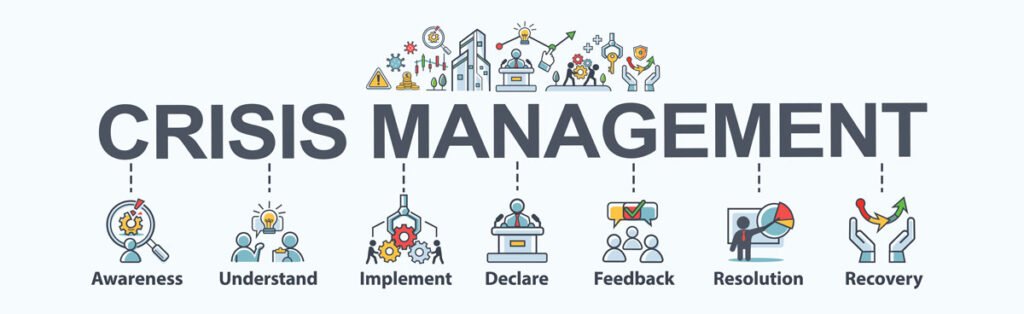
Collaboration and Crisis Management Strategy

Zomato has also demonstrated strong corporate responsibility and collaboration efforts, especially during times of crisis.
During challenging periods:
- Zomato worked closely with government authorities to ensure smooth operations
- Created financial support funds for delivery partners
- Provided safety equipment like masks
These initiatives strengthened Zomato’s brand image as a responsible and people-centric company.
Continuous Adaptation and Innovation
One of Zomato’s biggest strengths is its ability to adapt to change.
As new trends emerge, Zomato:
- Updates its marketing strategy
- Experiments with new formats
- Listens to customer feedback
This constant evolution allows Zomato to remain competitive in a crowded food-tech market.
Zomato Official Website – https://www.zomato.com