

The ecommerce landscape has evolved dramatically over the past decade, moving far beyond its early experimental stages. Today, it is the backbone of global commerce, shaping how businesses reach consumers and enterprises alike. Top Ecommerce Trends 2026. With buyers demanding fast, seamless, and personalized experiences across multiple channels, ecommerce is no longer optional—it’s a strategic necessity. At the same time, competition is fiercer than ever. With barriers to entry falling and global reach expanding, businesses must continually innovate or risk being left behind.
Looking ahead to 2026, global ecommerce sales are projected to exceed $41 trillion, with revenue continuing its rapid ascent toward $4.9 trillion by 2030. This presents a massive opportunity for brands that can execute effectively and scale efficiently. However, sustaining growth in this complex ecosystem requires adopting innovative strategies that enhance operational flexibility, data-driven decision-making, and system integration. Let’s explore the most significant ecommerce trends that will define 2026 and beyond.
The State of Ecommerce in 2026
By 2026, ecommerce is expected to touch nearly every age group and product category. From groceries and apparel to high-value electronics and B2B industrial goods, online commerce has become a primary channel for purchasing. B2B buyers increasingly expect the same speed, convenience, and self-service options that B2C customers enjoy.
Several key factors are accelerating this shift:
- Mobile-first behavior: Mobile devices are no longer secondary channels—they are the central point of engagement. Consumers increasingly browse, compare, and purchase products entirely via smartphones or tablets.
- Social commerce evolution: Platforms such as Instagram, TikTok, and YouTube are transforming from marketing channels into full transactional ecosystems. Customers can discover products, engage with creators, and make purchases without leaving the app.
- Video-driven product discovery: Video content, whether short-form tutorials or live streams, plays a vital role in helping consumers visualize products and reduce purchase uncertainty.
- AI and automation: Artificial intelligence is no longer a supplementary tool. AI now powers inventory forecasting, personalized recommendations, pricing optimization, and even autonomous customer service operations.
As the ecommerce environment grows more complex, businesses are moving away from monolithic platforms toward composable, API-first architectures. This modular approach allows organizations to update, replace, or enhance individual components without disrupting the entire system—a critical factor for maintaining agility in 2026 and beyond.
Top 10 Ecommerce Trends Shaping 2026
1. Artificial Intelligence Embedded Across Commerce Operations

AI has progressed far beyond simple product recommendations or analytics dashboards. In 2026, AI is embedded at the heart of ecommerce workflows. It can automatically adjust pricing, optimize inventory allocation, forecast demand at the SKU level, and even manage merchandising updates across multiple channels.
For example, if a product suddenly surges in popularity, AI can automatically trigger restocking, adjust prices based on demand, and notify fulfillment centers—all without human intervention. The key to success is robust data pipelines and seamless integration between ecommerce platforms, ERP systems, and analytics tools.
2. Agentic Commerce Gains Traction

Agentic commerce refers to autonomous AI systems acting on behalf of shoppers. Unlike traditional virtual assistants, these AI agents proactively handle tasks such as replenishing products, comparing options, and managing recurring orders.
In 2026, early adoption is evident in subscription-driven and repeat-purchase categories. For instance, a customer regularly orders pet food. The system tracks their consumption patterns, checks inventory, applies the correct pricing, and places the order automatically before supplies run out. This level of automation improves convenience while ensuring businesses maintain customer loyalty.
3. Hyper-Personalization Evolves Beyond Segmentation

Personalization has moved beyond static audience segments. By 2026, ecommerce platforms can adapt experiences in real time, using live behavioral signals rather than historical averages.
- Dynamically generated landing pages
- Personalized promotions triggered by intent data
- Tailored product assortments based on live browsing behavior
For example, a customer browsing running shoes will see a homepage customized with complementary gear, suggested sizes, and relevant accessories the next time they visit. Hyper-personalization not only drives conversions but also minimizes unnecessary discounts by presenting the right products at the right time.
4. Predictive Analytics for Smarter Growth

Predictive analytics has become essential for anticipating customer behavior. Businesses can now identify churn risks, forecast demand, optimize replenishment cycles, and plan marketing campaigns with unprecedented accuracy.
Real-time analytics, combined with machine learning, allows teams to act immediately, rather than reacting after the fact. When analytics are tightly integrated with ecommerce and operational systems, companies can increase customer lifetime value while reducing waste and inefficiency.
5. Voice Search and Conversational Commerce

Voice-enabled devices are becoming a mainstream shopping tool. Consumers increasingly search for products, check inventory, and even place orders using voice assistants.
Optimizing for voice search requires:
- Conversational query structuring
- Mobile-friendly content
- Real-time inventory integration
Brands that integrate voice commerce seamlessly into their operations will gain a competitive edge, as more shoppers expect frictionless, hands-free experiences.
6. Augmented Reality Boosts Purchase Confidence
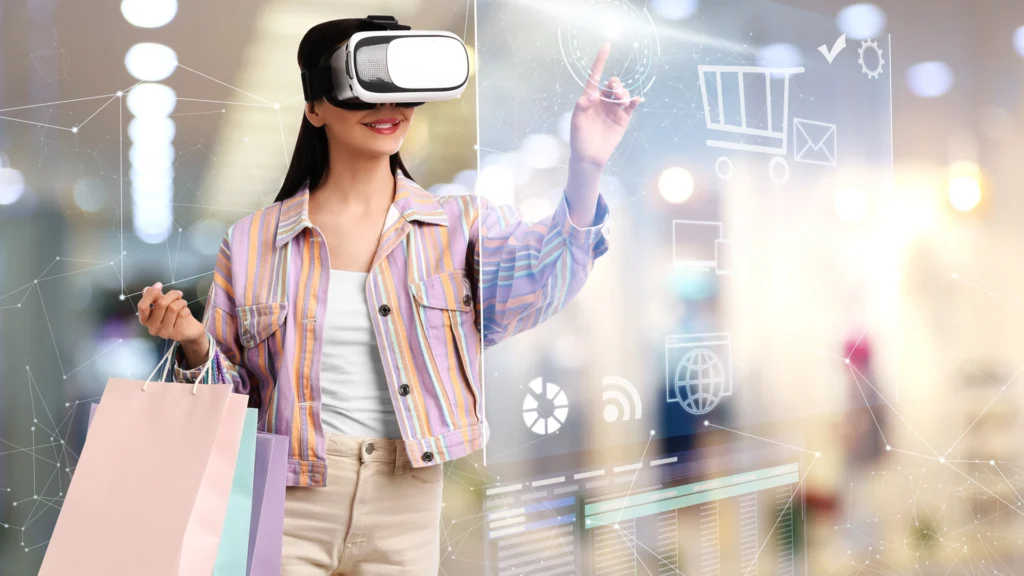
AR technologies are now critical for reducing purchase uncertainty. Furniture, home decor, apparel, and beauty brands are using AR to help customers visualize fit, scale, and appearance before buying.
The global AR ecommerce market is expected to grow from under $6 billion in 2024 to over $38 billion by 2030. By 2026, AR will be a mainstream tool, helping reduce returns and increasing customer satisfaction. Successful AR adoption requires accurate product data, fast frontend performance, and flexible backend integrations.
7. Mobile Commerce Dominates Conversion
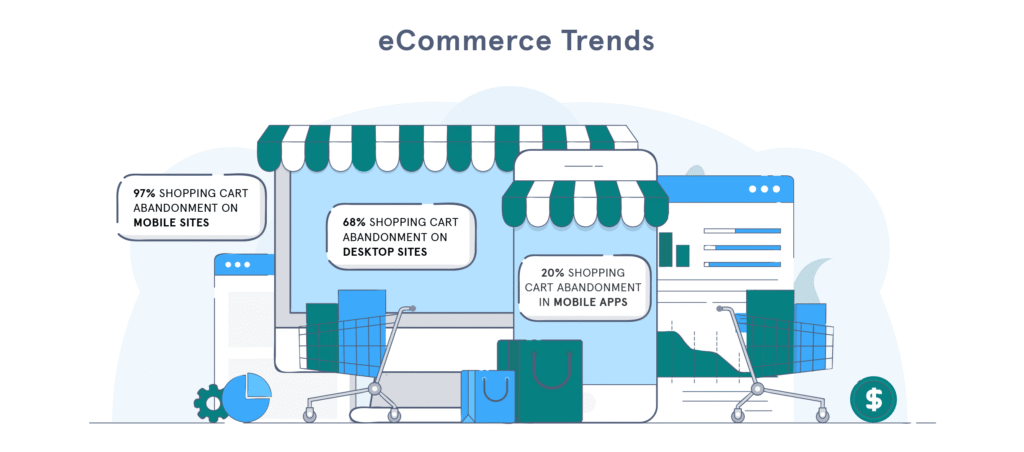
Mobile continues to account for the majority of ecommerce transactions, projected to represent over 60% of sales by 2026. A mobile-first strategy is no longer optional—it is central to revenue growth.
High-performing mobile experiences prioritize:
- Fast loading times
- Simplified navigation
- Frictionless checkout
- One-click payment options
API-driven architectures allow businesses to deliver high-quality mobile experiences without duplicating backend logic.
8. Flexible Payment Options Reduce Friction

Checkout abandonment remains a significant challenge. Offering diverse payment options—digital wallets, buy now pay later (BNPL), subscription billing, and regional-specific methods—reduces friction and improves conversion rates.
Secure integrations with multiple payment providers and real-time orchestration ensure a seamless checkout experience while maintaining regulatory compliance.
9. Buy Now Pay Later Expands Across Segments

BNPL options are increasingly popular, both for B2C and B2B. Shoppers favor flexible payment schedules, especially for higher-value purchases.
For brands, BNPL can boost average order value and conversion. Real-time eligibility checks, fraud prevention, and compliance are essential for safe and reliable implementation.
10. Social Commerce Becomes a Core Revenue Driver

Social platforms are evolving from marketing channels to full sales ecosystems. Over 110 million US consumers already make purchases via social channels, and this trend will continue to grow.
Success in social commerce requires:
- Consistent product catalogs
- Accurate inventory data
- Synchronized pricing across platforms
APIs enable scalability and integration, making social commerce a core revenue stream rather than an experimental channel.
Top Ecommerce Trends to Watch in 2026
https://www.bigcommerce.com/blog/ecommerce-trends/