
Swiggy began its journey as a food delivery platform and quickly became one of India’s most recognized on-demand delivery services. What started as a simple way to deliver restaurant meals has now evolved into a multi-vertical ecosystem that goes far beyond traditional food delivery. Today, Swiggy is expanding beyond food delivery into quick commerce, grocery delivery, and multiple convenience categories, positioning itself as an end-to-end everyday delivery platform.
At the center of this transformation is Swiggy Instamart, which has played a crucial role in helping Swiggy move beyond restaurant orders and meet the growing demand for instant essentials.
In this detailed guide, we explore how Swiggy Instamart is driving Swiggy’s expansion beyond food delivery and transforming the company into a broader lifestyle and logistics service provider. This article covers:
- The evolution of Swiggy from food delivery to a multi-vertical platform
- The rise of quick commerce and Swiggy Instamart
- Expansion into new services like GenIE and Swiggy Daily
- The technology and supply chain powering Swiggy’s growth
- Key challenges and opportunities
- What Swiggy’s expansion means for customers, delivery partners, and businesses
By the end of this article, you’ll clearly understand why Swiggy’s expansion beyond food delivery is reshaping India’s delivery ecosystem and creating new opportunities for consumers and sellers alike.
1. The Origins of Swiggy: Food Delivery First
Swiggy was founded in 2014 with a clear mission: to solve the challenges of on-demand food delivery in India. At the time, food delivery was fragmented, unreliable, and expensive. Swiggy focused on three foundational pillars:
- Fast and reliable delivery
- A seamless and user-friendly app experience
- Access to a wide variety of restaurants
Within a few years, Swiggy emerged as one of the leading food delivery platforms in India, competing closely with players like Zomato. Its success was powered by strong logistics, algorithm-based delivery assignment, and a deep focus on customer satisfaction.
However, Swiggy soon realized that food delivery alone could not fuel long-term growth.
2. Why Swiggy Started Expanding Beyond Food Delivery
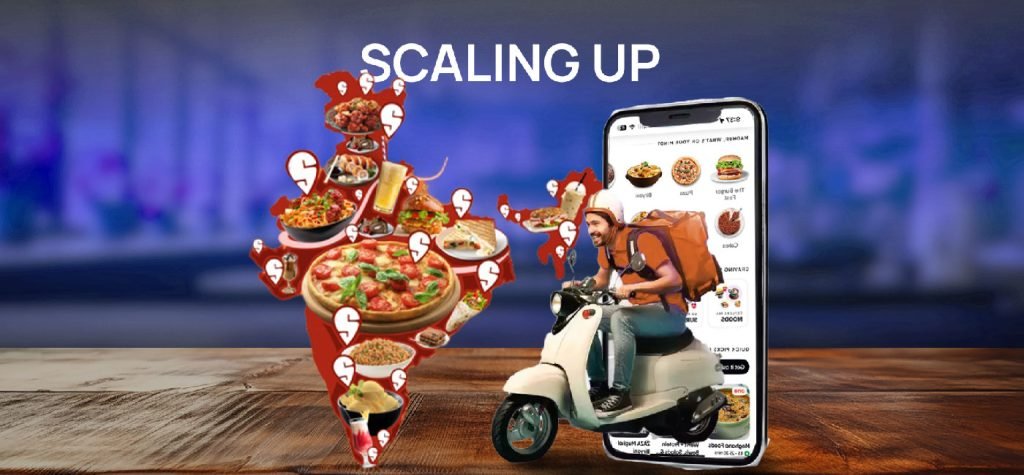
Although food delivery remained Swiggy’s core business, relying on a single vertical had limitations. This realization pushed Swiggy to explore new categories beyond restaurant meals.
Some key reasons behind Swiggy expanding beyond food delivery include:
- Limited order frequency: Food orders are usually placed during meal times only.
- Seasonal demand: Food delivery volumes fluctuate due to weather, holidays, and weekends.
- Intense competition: Price wars and rising marketing costs squeezed margins.
To ensure sustainable growth and improve customer engagement, Swiggy identified the need to serve daily consumer needs beyond food. This strategic shift led to the rise of quick commerce — with Swiggy Instamart at its core.
3. Quick Commerce and Swiggy Instamart
What Is Quick Commerce?
Quick commerce, also known as Q-commerce, focuses on ultra-fast delivery of goods, usually within 10 to 30 minutes. Unlike traditional e-commerce that takes days, quick commerce caters to immediate needs such as groceries, fruits, vegetables, household essentials, and personal care items.
This model perfectly aligned with Swiggy’s delivery expertise and urban customer base.
Swiggy Instamart: Powering Swiggy’s Expansion Beyond Food Delivery
In 2020, Swiggy launched Swiggy Instamart, a dedicated quick commerce platform designed to deliver groceries and essentials in minutes. The core promise of Swiggy Instamart includes:
- Real-time inventory from nearby dark stores
- Delivery in under 30 minutes
- A wide range of daily-use essentials
Swiggy Instamart quickly gained popularity in metro cities such as Bengaluru, Mumbai, Delhi, and Hyderabad, where speed and convenience are top priorities.
Why Swiggy Instamart Works
Swiggy leveraged its existing delivery fleet and logistics infrastructure to make Instamart successful. The major strengths of Swiggy Instamart include:
- High delivery reliability
- Strong last-mile logistics
- Dynamic pricing and frequent offers
- Seamless integration with the main Swiggy app
The rapid adoption of Swiggy Instamart confirmed that quick commerce could become a major growth engine for Swiggy beyond food delivery.
4. Beyond Swiggy Instamart: Daily and Other Services
Swiggy’s expansion did not stop with Instamart. Over time, the company introduced additional services to increase engagement and diversify revenue.
Swiggy Daily
Swiggy Daily offers subscription-based meal plans for breakfast, lunch, and dinner. Customers can choose weekly or monthly plans, making it ideal for students and working professionals seeking consistency and affordability.
Swiggy Daily complements Swiggy’s food delivery business while improving repeat usage.
GenIE: Grocery and Essentials Delivery
Swiggy GenIE connects local grocery stores and kirana shops with Swiggy’s delivery network. Instead of holding inventory, Swiggy enables nearby stores to fulfill orders quickly.
This model supports:
- Faster deliveries for consumers
- Higher sales for local merchants
- Lower operational costs for Swiggy
GenIE plays an important role in strengthening Swiggy’s hyperlocal presence.
5. Technology and Logistics Behind Swiggy’s Growth
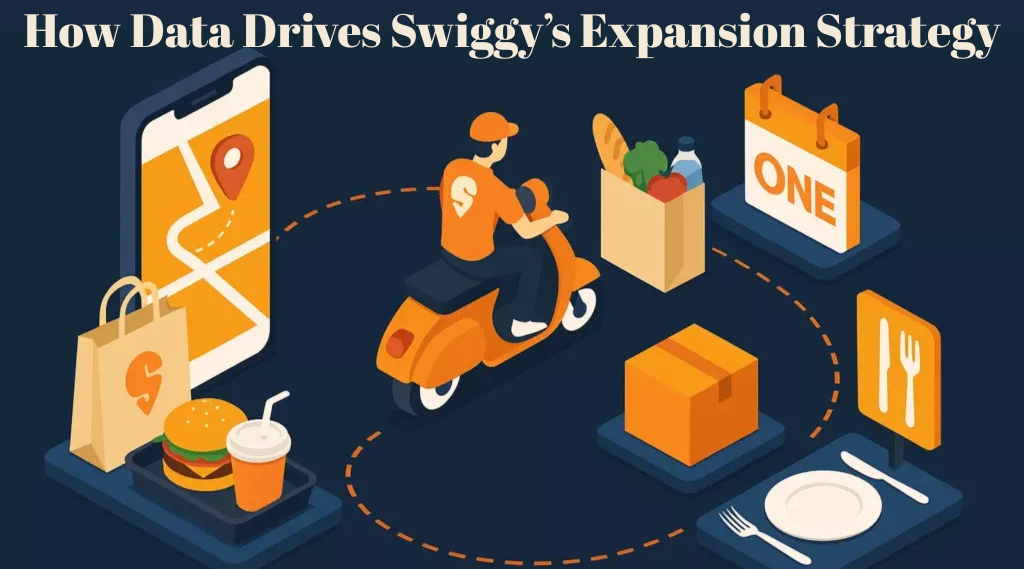
The success of Swiggy Instamart and Swiggy’s expansion beyond food delivery is powered by strong technology and logistics systems.
Unified App Experience
Swiggy integrates all its services — food delivery, Swiggy Instamart, Swiggy Daily, and GenIE — into a single app. This unified experience helps:
- Increase daily active users
- Cross-sell multiple services
- Improve long-term customer retention
Smart Supply Chain and Logistics
Swiggy’s logistics backbone includes:
- AI-based route optimization
- Real-time delivery tracking
- Predictive demand forecasting
- Strategic placement of dark stores
These systems ensure fast, reliable deliveries even during peak demand.
6. Strategic Partnerships Supporting Swiggy Instamart
To scale rapidly, Swiggy has partnered with:
- Local retailers to expand product availability
- Consumer brands for exclusive deals
- Technology partners to enhance logistics efficiency
These partnerships help Swiggy expand Instamart and GenIE without heavy investment in traditional warehousing.
7. How Data Drives Swiggy’s Expansion Strategy
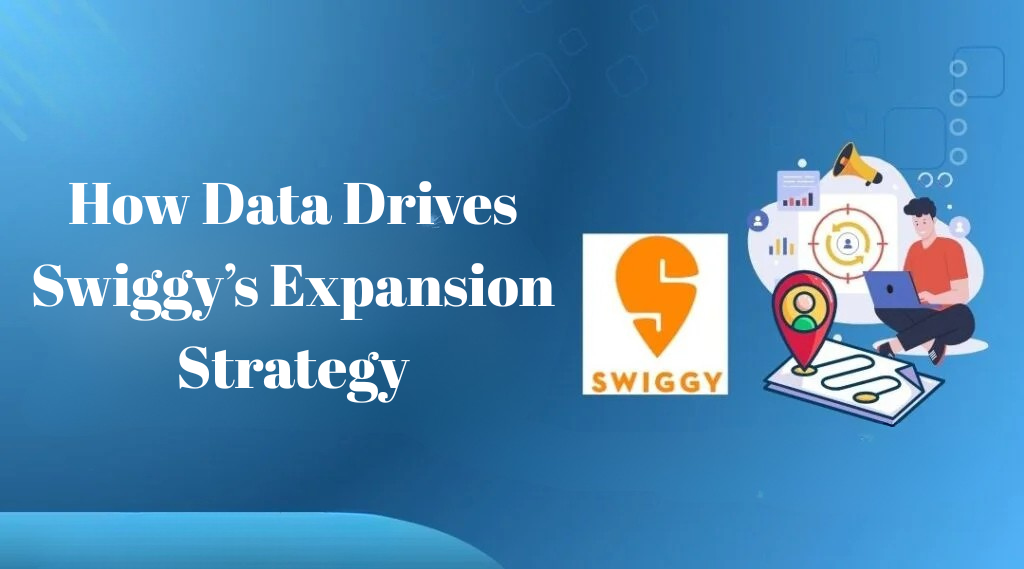
Data analytics is central to Swiggy’s decision-making. The platform continuously tracks:
- Customer ordering behavior
- Peak demand hours
- City-wise consumption patterns
- Product preferences
Using this data, Swiggy can:
- Personalize offers
- Optimize inventory for Swiggy Instamart
- Reduce delivery times
- Improve customer satisfaction
8. Impact on Customers
Swiggy’s expansion beyond food delivery has transformed the customer experience.
Instant Convenience
Customers now expect not only food but also groceries and essentials delivered within minutes through Swiggy Instamart.
One App for Multiple Needs
Swiggy eliminates the need for multiple apps by offering food, groceries, and essentials in one place.
Better Value
Subscription plans, offers, and discounts improve affordability and loyalty.
9. Opportunities for Sellers and Delivery Partners
Swiggy’s multi-service ecosystem creates opportunities for:
- Local grocery stores through GenIE
- Brands through Instamart visibility
- Delivery partners through increased earning opportunities
10. Challenges in Swiggy’s Expansion
Despite strong growth, Swiggy faces challenges such as:
- High logistics and warehousing costs
- Thin margins in quick commerce
- Managing a large delivery workforce
- Lower demand density in smaller cities
Swiggy continues to innovate to overcome these hurdles.
11. Competitive Landscape
Swiggy’s expansion places it in competition with:
- Zomato (food and quick commerce)
- Dunzo (hyperlocal deliveries)
- Dedicated quick commerce players
The race highlights the growing importance of speed and convenience.
12. The Future of Swiggy Beyond Food Delivery
Looking ahead, Swiggy Instamart and quick commerce will play a larger role in Swiggy’s growth. The future will likely include:
- Faster delivery timelines
- AI-driven personalization
- Deeper integration of local sellers
- Expansion into more cities