
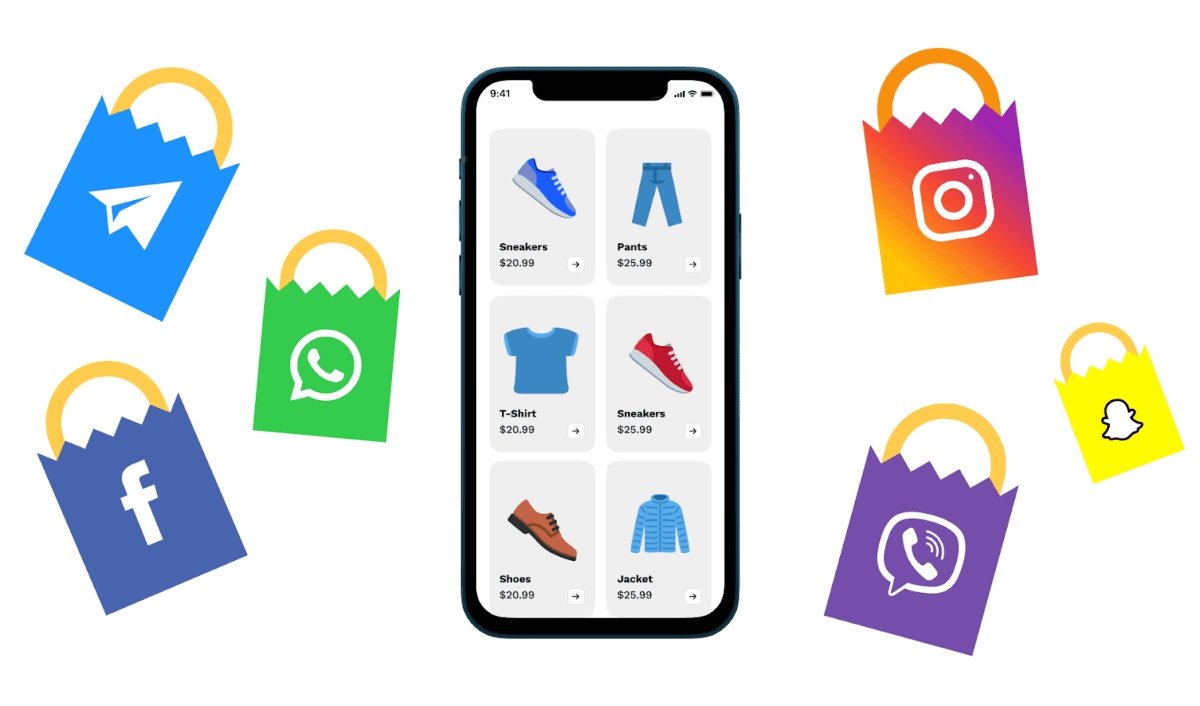
In the ever-evolving landscape of e-commerce, social commerce has emerged as a game-changer. While traditional online marketplaces focus on search-driven shopping, Social Commerce 3.0 is rewriting the rules, placing short-form video content at the center of the shopping experience. This video-first approach is transforming platforms like TikTok, Instagram, and others into fully integrated shopping ecosystems, merging entertainment, community engagement, and commerce into one seamless journey.
The Evolution of Social Commerce
Social commerce has gone through several stages. The first wave was simple product promotion on social platforms, such as sharing images of products or posting discount offers. The second phase saw shoppable posts and links, where users could click through directly to e-commerce sites.
Now, Social Commerce 3.0 is here, characterized by:
- Short-form video content as the primary driver of engagement.
- Live shopping events where users can interact in real time with hosts and creators.
- Creator-led storefronts that allow influencers to curate and sell products directly.
- AI-driven personalized product feeds that adapt to each user’s preferences.
- In-app checkout systems, eliminating the need to leave the platform for purchasing.
This combination of features has transformed social media platforms into full-fledged marketplaces, enabling brands and creators to reach consumers in more interactive and engaging ways than ever before.
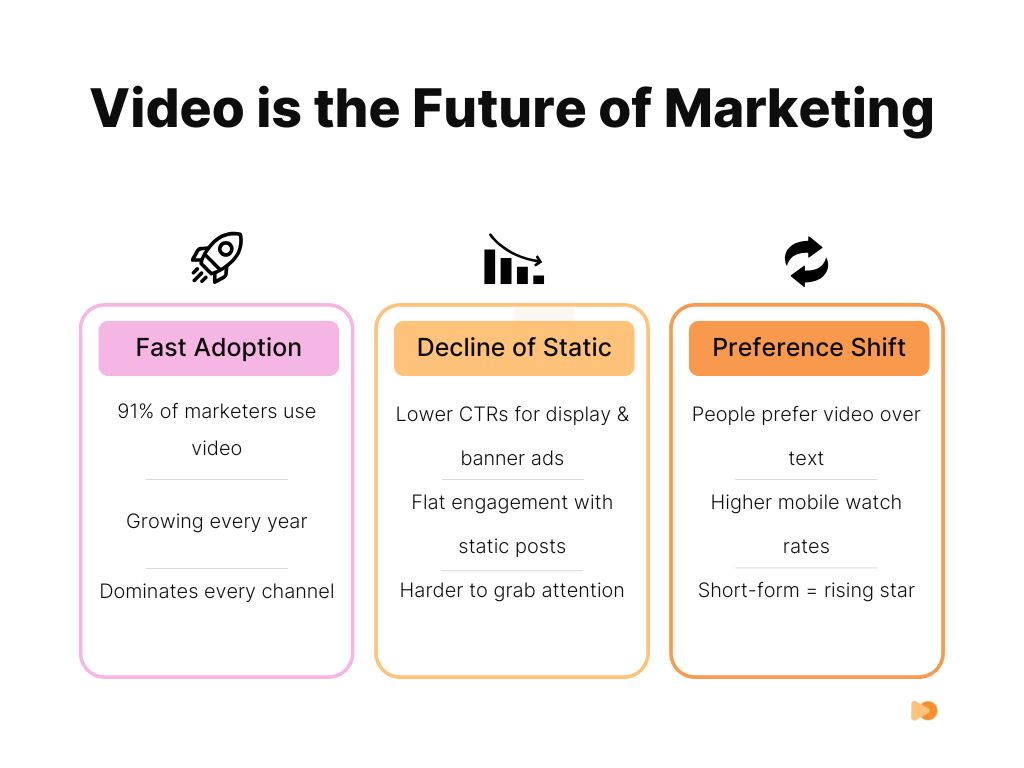
Why Video-First Marketplaces Are Thriving

There are several reasons short-form video shopping is exploding globally:
- Engaging Content Formats
Video content is inherently more engaging than static images or text. Short-form videos capture attention within seconds, allowing brands to showcase product benefits, demonstrations, and user reviews in a visually compelling manner. - Influencer and Creator Ecosystems
Creators have become the new storefronts. Instead of traditional advertising, brands now invest in influencers who have built loyal audiences. These creators provide authenticity, relatability, and trust—key drivers in purchase decisions. - Interactive Shopping Features
Live shopping events bring a sense of urgency and excitement. Users can ask questions, receive instant answers, and make purchases in real time, replicating the experience of shopping in a physical store. - Data-Driven Personalization
AI-powered product recommendations ensure users see products tailored to their tastes, increasing the likelihood of purchase. These recommendations are often based on previous interactions, engagement patterns, and trending products within the community. - Seamless Checkout
In-app checkout features remove friction from the buying process. No more redirecting to external websites, entering billing information repeatedly, or losing carts midway. This convenience boosts conversion rates dramatically.
The Global Perspective
Globally, platforms like TikTok and Instagram have led the charge. TikTok, for instance, has developed an integrated shopping ecosystem where creators can host live selling events, add shoppable links to their videos, and curate personal storefronts. Instagram, too, has introduced Instagram Shops, live shopping events, and Reels-driven product feeds to merge social engagement with commerce.
According to industry estimates, social commerce sales in 2025 are projected to surpass $1 trillion globally, driven by the popularity of short-form video content and the rise of AI-curated product feeds. Brands are shifting budgets from traditional banner ads to creator partnerships because the ROI on authentic, video-driven engagement far exceeds that of static advertisements.
Social Commerce in India and Southeast Asia
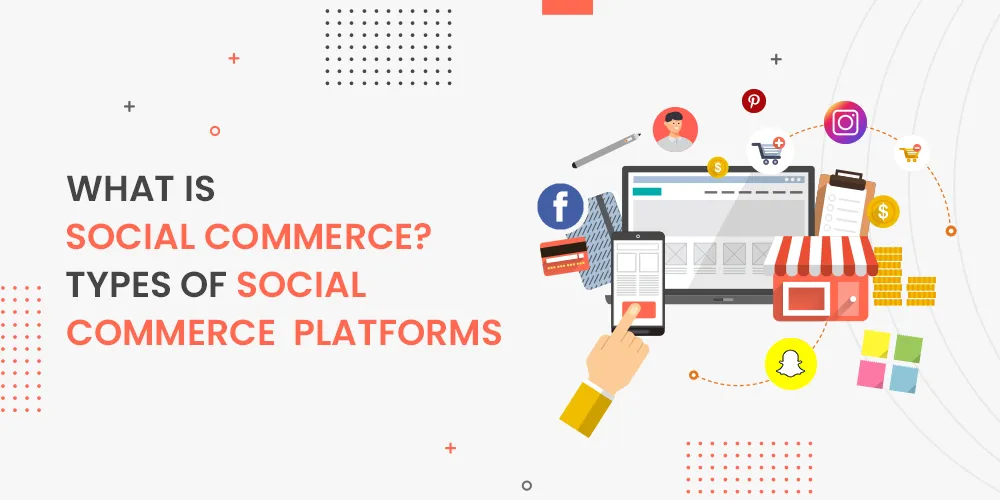
While social commerce is booming worldwide, India and Southeast Asia are at the forefront of this transformation. These regions offer unique opportunities due to:
- High smartphone penetration
- Strong social media usage
- Growing middle-class populations with disposable income
- Digital payment infrastructure enabling seamless in-app purchases
In India, platforms such as Meesho, Instagram, and Amazon’s Live platform are enabling small businesses, startups, and individual sellers to reach millions of consumers. In Southeast Asia, Shopee Live and Lazada Live are similarly leveraging live video commerce to drive engagement.
The growth of social commerce in these regions has even outpaced traditional marketplaces. Many consumers are now discovering and purchasing products directly through social apps instead of visiting standard e-commerce sites. This shift is causing brands to rethink marketing strategies, with more focus on creator partnerships, live streams, and AI-driven content feeds rather than conventional advertising.
Brands Investing in Creators
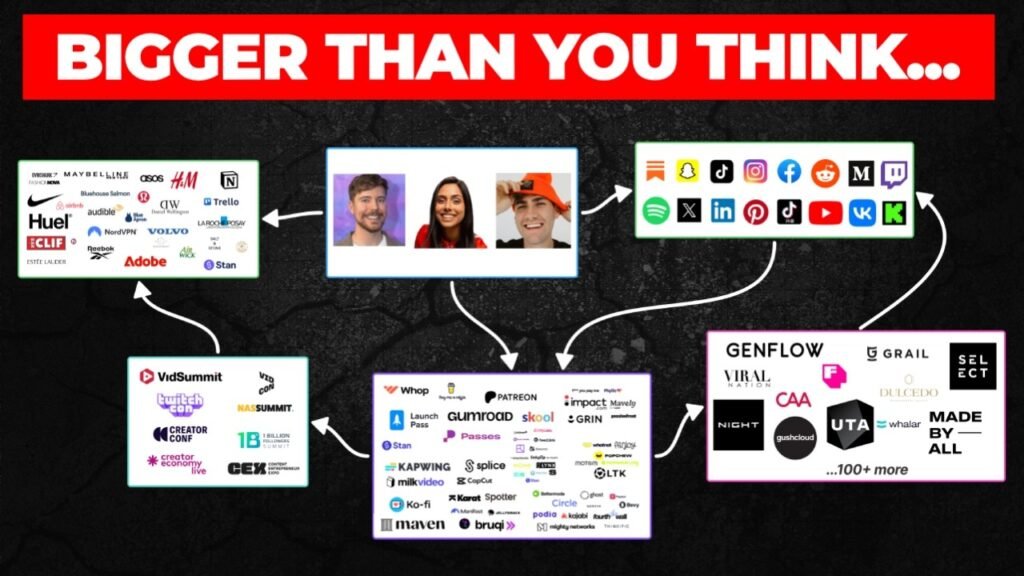
The rise of Social Commerce 3.0 has led to a dramatic shift in marketing spend. Brands increasingly prioritize investing in creators over traditional banner and display ads.
- Authenticity Matters: Consumers trust recommendations from influencers they follow more than generic advertisements.
- Micro-Influencers Driving Niche Markets: Even smaller creators with 10,000–50,000 followers can generate significant sales because of highly engaged communities.
- Performance-Based Marketing: Many social commerce platforms now allow brands to track sales conversions directly from influencer content, making ROI easier to measure than ever before.
This new approach is transforming brand-consumer relationships. Instead of one-way messaging, brands now collaborate with creators to tell stories, demonstrate products, and foster community engagement.
Key Features Driving Social Commerce 3.0
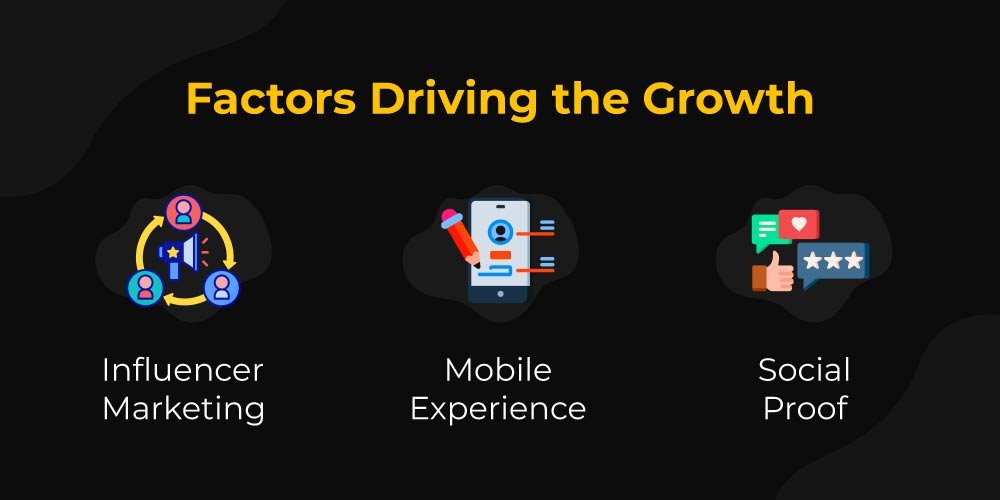
Let’s take a closer look at the most impactful features:
1. Live Shopping Events
Live streams allow real-time interaction between sellers and buyers. Brands showcase products, answer questions, and even offer limited-time discounts. This feature is particularly effective in Southeast Asia, where live selling has become a cultural phenomenon.
2. Creator Storefronts
Creators can now operate their own storefronts within social apps, curating products they love. These storefronts act like digital boutiques, building personal brands while generating revenue.
3. AI-Curated Product Feeds
Artificial intelligence helps recommend products tailored to individual users, analyzing engagement, purchase history, and even trending social content. Personalized feeds increase the likelihood of conversion by presenting products users are most likely to buy.
4. Seamless In-App Checkout
By enabling purchases without leaving the platform, social commerce reduces friction in the buying process. Faster checkouts lead to higher sales and lower cart abandonment rates.
Benefits of Video-First Marketplaces
The benefits of this new wave of social commerce extend to both consumers and brands:
For Consumers:
- Convenient, interactive shopping experiences
- Discovering products through entertaining and authentic content
- Engaging with creators and communities for recommendations
For Brands:
- Higher engagement and conversion rates
- Direct feedback and insights from live interactions
- Ability to leverage AI to optimize product recommendations
- Reduced reliance on costly, traditional advertising
Challenges in Social Commerce 3.0
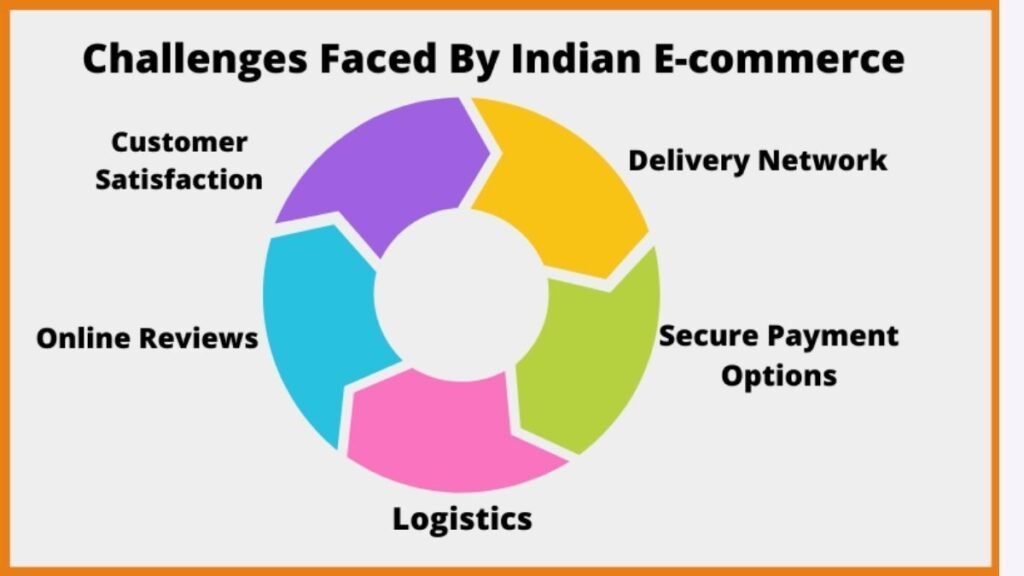
Despite its rapid growth, video-first social commerce is not without challenges:
- Content Saturation: With millions of videos uploaded daily, standing out requires high-quality, creative content.
- Trust and Authenticity: Consumers need to trust creators and brands; any perception of false promotion can harm reputations.
- Logistics and Fulfillment: Rapid sales generated through viral videos require robust supply chains and timely delivery.
- Regulatory Oversight: Many regions are still developing clear regulations around influencer marketing and in-app sales.
Brands and creators need to carefully navigate these issues to maintain sustainable growth.
Future Outlook
The future of Social Commerce 3.0 looks promising:
- Integration of AR/VR: Augmented reality and virtual reality will allow consumers to “try before they buy,” further merging entertainment with commerce.
- AI-Enhanced Discovery: Smarter algorithms will predict trends and suggest products even before users realize they want them.
- Cross-Border Social Commerce: Platforms will increasingly enable seamless international sales, expanding reach for creators and brands.
- Niche Community Commerce: Smaller, interest-based communities will see hyper-personalized shopping experiences, with creators acting as trusted curators.
Social commerce is poised to not just complement traditional e-commerce but reshape the entire digital shopping ecosystem.
Social Commerce 3.0: How Instagram, Pinterest & YouTube Are Becoming Full E‑Commerce Platforms” – Medium article explaining the shift toward integrated video and commerce.
👉 https://medium.com/@karmagully/social-commerce-3-0-how-instagram-pinterest-youtube-are-becoming-full-e-commerce-platforms-e94b4fdef9da