

Ecommerce is no longer confined to traditional websites or online marketplaces. In 2026, social commerce has emerged as one of the most powerful drivers of online sales. Platforms like TikTok, Instagram, and YouTube Shorts are transforming social media from a space for connection and entertainment into dynamic marketplaces where users can discover, evaluate, and purchase products seamlessly.
Social commerce leverages the reach of social media, the influence of creators, and the immediacy of interactive content to create an entirely new shopping experience. Brands that fail to embrace this trend risk being left behind in the digital commerce revolution.
What Is Social Commerce?
Social commerce refers to the practice of buying and selling products directly through social media platforms. Unlike traditional ecommerce, where transactions typically occur on websites or dedicated apps, social commerce allows consumers to make purchases without ever leaving the social media environment.
Key features of social commerce include:
- In-app purchases: Users can complete transactions without redirecting to external websites.
- Live shopping events: Brands host live streams to demonstrate products and interact with viewers in real-time.
- Influencer-driven promotions: Content creators endorse products and guide their followers’ purchasing decisions.
- Short-form videos and reels: Bite-sized videos showcase products in engaging, authentic ways.
This approach combines entertainment, social proof, and convenience, making it highly effective in influencing purchase decisions.
Why Social Commerce Is Growing Rapidly

Several factors contribute to the rapid rise of social commerce in 2026:
1. Increased Mobile Usage
Most social commerce activity occurs on mobile devices. With smartphone penetration reaching new highs globally, users are spending more time on social apps than traditional web browsers. Mobile-friendly interfaces and one-click checkout options make purchasing products directly from social media platforms faster and easier than ever.
2. Influence of Content Creators
Influencers and content creators play a pivotal role in social commerce. Consumers trust recommendations from people they follow online, often more than traditional advertisements. When a trusted creator reviews or showcases a product, it can drive thousands of instant purchases in a single session.
3. Short-Form Video Popularity
Short-form videos, such as TikTok clips or Instagram Reels, have changed how users consume content. Quick, engaging videos allow brands to demonstrate product value efficiently, highlight features, and create desire—all in under a minute.
4. Convenience and Instant Gratification
Social commerce eliminates the friction of traditional online shopping. Users can see a product, watch a demonstration, and make a purchase without leaving the platform. This instant gratification appeals to today’s fast-paced, mobile-first consumers.
5. Advanced Targeting and Personalization
Social platforms leverage AI algorithms to display highly targeted content to users. By showing products based on browsing history, preferences, and engagement, brands reach the right audience at the right time, increasing the likelihood of conversion.
TikTok: Redefining Social Commerce

TikTok has quickly become a dominant force in social commerce, thanks to its algorithm-driven content discovery and massive global user base.
Features Driving Sales on TikTok
- TikTok Shop: This feature allows users to browse, select, and buy products directly from TikTok videos and live streams. It integrates product listings seamlessly into the content feed.
- Live Shopping Events: Brands host live streams where creators demonstrate products, answer questions, and offer limited-time promotions to drive urgency.
- Algorithmic Discovery: TikTok’s “For You Page” surfaces content based on user behavior, giving products the potential to go viral within hours.
- User-Generated Content (UGC): Reviews, unboxing videos, and personal testimonials amplify social proof and trust.
Brands that leverage TikTok effectively focus on entertaining content that subtly incorporates products rather than overtly selling them. The key is authenticity—users respond positively to creators they perceive as genuine.
Instagram: From Visual Inspiration to Direct Purchases

Instagram has evolved from a photo-sharing platform into a robust ecommerce ecosystem. With features such as Instagram Shopping, Reels, and live selling, the platform enables users to discover and buy products seamlessly.
Instagram Commerce Features
- Instagram Shop: A dedicated section within the app where users can browse products, collections, and brand stores.
- Product Tags in Posts and Reels: Allows creators and brands to tag products directly in content, enabling one-click purchases.
- Instagram Live Shopping: Similar to TikTok, this feature lets brands sell products during live streaming sessions.
- Shoppable Ads: Brands can place clickable product ads within user feeds or explore pages for targeted reach.
Instagram thrives on aesthetic-driven discovery. Products that look visually appealing in Reels or posts tend to perform better, making high-quality visuals and creative storytelling essential for social commerce success.
YouTube Shorts: The New Shopping Playground

YouTube Shorts, the platform’s short-form video feature, is increasingly integrated with shoppable content. Although relatively newer than TikTok and Instagram, Shorts is attracting a massive audience, particularly in younger demographics.
Key Advantages of YouTube Shorts for Ecommerce
- Massive Reach: YouTube remains the second largest search engine globally, giving Shorts enormous exposure potential.
- Content Longevity: Unlike TikTok, videos on YouTube Shorts can continue driving views and engagement over months or even years.
- Interactive Features: Creators can add links to product pages, encouraging seamless conversion.
Brands experimenting with Shorts often create quick tutorials, product demos, or behind-the-scenes clips to engage audiences while subtly promoting products.
Strategies for Brands to Succeed in Social Commerce
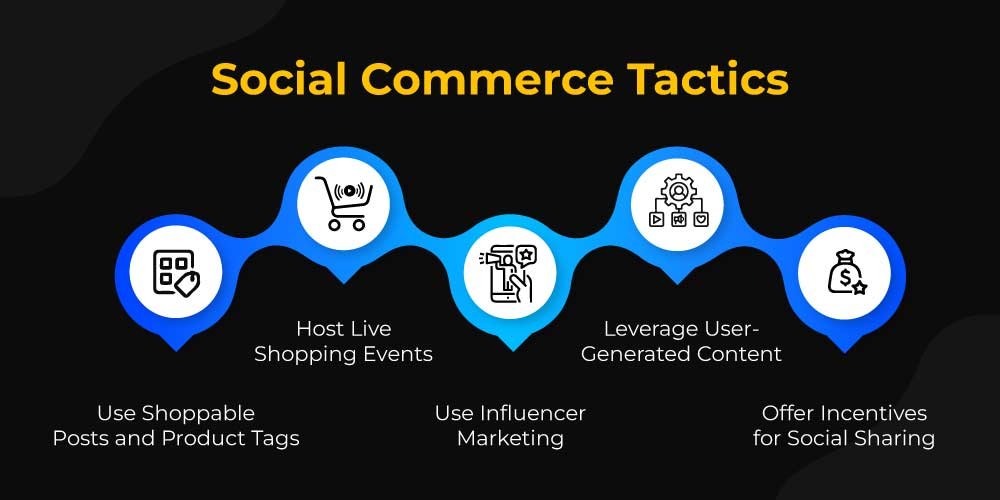
To maximize sales through TikTok, Instagram, and Shorts, brands need to adopt a holistic approach that combines creativity, data, and strategy.
1. Focus on Storytelling
Content should be engaging and entertaining rather than pushy. Authentic storytelling captures attention and encourages sharing.
2. Partner with Influencers
Collaborating with creators who resonate with your target audience amplifies reach and credibility. Micro-influencers often drive higher engagement and conversions due to their niche, loyal following.
3. Leverage Live Shopping
Real-time interaction creates urgency and trust. Live shopping events allow brands to showcase products, answer questions instantly, and incentivize purchases with exclusive deals.
4. Optimize Short-Form Video Content
Quick, visually appealing videos perform best. Highlight product features, benefits, and use cases clearly within the first few seconds to capture attention.
5. Implement Seamless Checkout
Frictionless payment options within social apps reduce cart abandonment and increase conversion rates. Multiple payment options, including digital wallets, BNPL, and credit cards, cater to diverse user preferences.
6. Analyze Data and Iterate
Social platforms provide extensive analytics. Brands should track engagement, clicks, and conversions to refine content and ad targeting.
The Benefits of Social Commerce
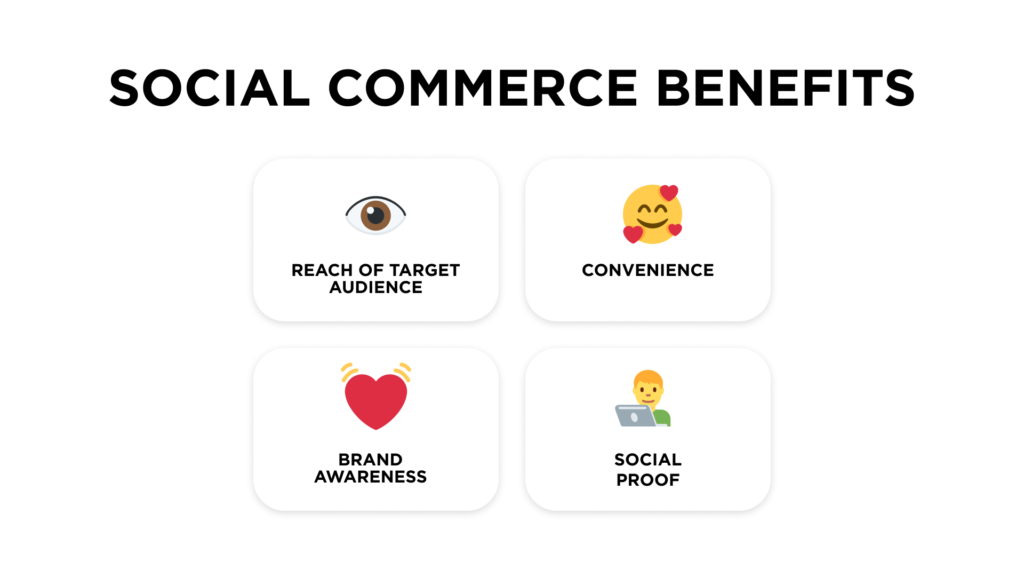
Social commerce offers significant advantages compared to traditional ecommerce:
- Higher Engagement: Interactive content and community-driven shopping increase user participation.
- Faster Purchase Decisions: Users can make purchases immediately after discovering products.
- Stronger Brand Loyalty: Authentic content and influencer partnerships build trust and long-term relationships.
- Lower Customer Acquisition Costs: Organic reach through viral content reduces reliance on paid advertising.
Challenges in Social Commerce
Despite its growth, social commerce also presents challenges:
- Trust and Authenticity: Users may hesitate to purchase without proper verification or reviews.
- Platform Dependence: Businesses are vulnerable to algorithm changes or policy shifts on social platforms.
- Logistics and Fulfillment: Fast delivery expectations create operational pressures.
- Content Saturation: With growing competition, standing out in crowded feeds requires creativity and investment.
Brands must balance strategy, creativity, and operational efficiency to overcome these hurdles.
The Future of Social Commerce
Social commerce will continue to reshape online shopping in 2026 and beyond. Emerging trends include:
- Augmented Reality (AR) Try-Ons: Users can virtually try products, from clothing to makeup, before purchasing.
- AI-Driven Recommendations: Personalized product suggestions will become more accurate and context-aware.
- Integrated Ecosystems: Social platforms may expand shopping features, combining content, chat, and commerce into one seamless experience.
- Gamification: Rewards, challenges, and interactive campaigns will further engage users and drive sales.
The integration of AI, immersive content, and social interaction positions social commerce as the next frontier in digital retail.
Social Commerce Insights
https://www.tiktok.com/business/en-US