

The way businesses sell products has changed forever. Today, you don’t need warehouses, shipping partners, or large upfront investments to build a profitable ecommerce brand. Digital products have opened the door for creators, freelancers, educators, and entrepreneurs to generate income with far less overhead — and far greater scalability.
From online courses and ebooks to templates, software, and memberships, digital products allow you to create once and sell endlessly. With ecommerce projected to reach $8 trillion globally by 2027, digital goods are becoming a major driver of online growth.
This guide explores how to launch, sell, and scale a successful digital product business — without unnecessary complexity or hidden costs.
Why Digital Products Are the Smarter Way to Sell Online

A digital product is any intangible asset that can be created once and delivered electronically. Unlike physical products, digital goods don’t require manufacturing, storage, or shipping. That fundamental difference changes everything.
Key advantages of digital products:
- Low operating costs – No inventory or logistics
- Instant delivery – Customers receive access immediately
- Global reach – Sell to anyone, anywhere
- High profit margins – Minimal ongoing expenses
- Passive income potential – Earn repeatedly from the same product
Digital products are also more sustainable. They eliminate packaging waste, transportation emissions, and manufacturing resources. For environmentally conscious consumers, this is a meaningful advantage.
Beyond sustainability, digital products are incredibly flexible. You can update content, improve features, or add value without creating a brand-new version. That means better customer satisfaction and long-term relevance.
Digital Products vs. Physical Products: A Clear Comparison
Selling physical products involves continuous production, inventory management, and fulfillment. Selling digital products shifts your focus to creativity, marketing, and optimization.
With digital goods:
- There’s no stock to manage
- No shipping delays or returns
- No geographic limitations
- No per-unit production costs
Instead, you invest time upfront and benefit from long-term returns. Once launched, automation tools handle delivery, payments, and customer access — freeing you to focus on growth.
Profitable Digital Product Ideas You Can Sell Online
Choosing the right product is the foundation of success. Below are some of the most profitable and scalable digital product categories available today.
1. Online Courses and Educational Content
The demand for online education continues to rise rapidly. The global e-learning market is projected to exceed $279 billion by 2029, driven by professionals seeking new skills and flexible learning options.
Popular education-based products:
- Online courses
- Ebooks and guides
- Podcasts and audiobooks
- Workshops and webinars
If you have expertise in any subject — business, design, fitness, coding, marketing, or personal development — you can package that knowledge into a structured learning experience.
How to get started:
- Identify a specific problem your audience wants solved
- Create a clear curriculum or learning path
- Host and sell your content through your ecommerce store
- Promote via email marketing and social media
To build trust, consider offering free resources such as mini-courses, webinars, or downloadable guides before launching paid products.
2. Licensing Digital Assets
Digital licensing allows creators to sell usage rights to their work while retaining ownership. This model works exceptionally well for designers, photographers, musicians, and developers.
Common licensed assets include:
- Stock photos and videos
- Website themes and templates
- Illustrations and icons
- Music tracks and sound effects
- Infographics and design elements
You can sell licenses directly from your website or through marketplaces like Creative Market or Envato.
Common license types:
- Royalty-free – One-time payment with ongoing usage rights
- Rights-managed – Pricing based on usage scope
- Exclusive licenses – Sold to one buyer only
- Non-exclusive licenses – Sold to multiple buyers
- Extended licenses – Additional permissions for commercial use
Pricing should reflect the value your asset provides, how much time it saves users, and the scope of usage rights included.
3. Music, Art, and Creative Content
Digital platforms have transformed how artists monetize their work. Musicians, designers, filmmakers, and visual artists can now reach global audiences without physical distribution.
Examples of digital creative products:
- Music tracks, beats, and ringtones
- Digital art prints and wallpapers
- Printable cards and posters
- Short films and video content
Museums and cultural institutions are also embracing digital formats, offering virtual tours, livestreamed talks, and premium online experiences.
Tiered access, exclusive events, and member-only content allow creatives to generate income while expanding their reach.
NFTs: Beyond the Hype
NFTs have evolved from speculative assets into tools for access, identity, and community building. Today’s successful NFT projects focus on real utility — such as exclusive content, memberships, or event access — rather than short-term trading.
As the market matures, NFTs are becoming integrated into gaming, social platforms, and digital experiences, opening new monetization paths for creators.
4. Digital Productivity Tools and Software
Remote work and digital collaboration have created enormous demand for productivity tools. Businesses and freelancers actively seek solutions that improve efficiency, communication, and security.
Opportunities include:
- Niche SaaS tools
- Industry-specific compliance software
- No-code applications
- AI-powered automation tools
The collaboration software market alone is expected to reach $16.6 billion by 2029, making this a strong long-term opportunity for digital entrepreneurs.
5. Membership and Subscription Models
Memberships turn one-time customers into long-term subscribers, providing predictable recurring revenue.
What memberships can include:
- Access to courses and digital libraries
- Coaching sessions or live calls
- Exclusive templates and resources
- Community forums or private groups
Tiered pricing, free trials, and annual discounts help maximize retention while offering flexibility for different customer needs.
6. AI-Powered Digital Products
Artificial intelligence is reshaping digital product creation and delivery.
Growing AI-driven product categories:
- No-code app builders
- Adaptive learning platforms
- Mental health and wellness tools
- AI chatbots and assistants
These tools enhance personalization, efficiency, and scalability, making them highly attractive in modern digital commerce.
Choosing the Right Ecommerce Platform for Digital Products
Your platform plays a critical role in your success. The best ecommerce solutions simplify delivery, reduce costs, and scale with your business.
Essential features to look for:
- Secure digital file delivery
- Scalable cloud storage
- Mobile-friendly checkout
- Multiple payment gateways
- No hidden transaction fees
Avoid platforms that charge extra for basic functionality or penalize you for using external payment processors.
Why Checkout Optimization Matters

Nearly 70% of shoppers abandon their carts before completing a purchase. For digital products, customers expect instant access after payment.
Best practices include:
- One-click or streamlined checkout
- Immediate product delivery
- Clear trust signals and security badges
- Mobile optimization
- Abandoned cart recovery emails
Even small improvements in checkout flow can significantly boost conversions.
Transparent Pricing and Fees

Hidden fees can quietly erode profits as your business grows. Some platforms charge for plugins, hosting, SSL certificates, or external payment gateways.
Look for ecommerce solutions with:
- Clear, upfront pricing
- No transaction fees
- Included security and hosting
- Scalable plans without surprises
Transparent costs give you more control over your margins and growth strategy.
A Six-Step Action Plan to Launch Your Digital Product
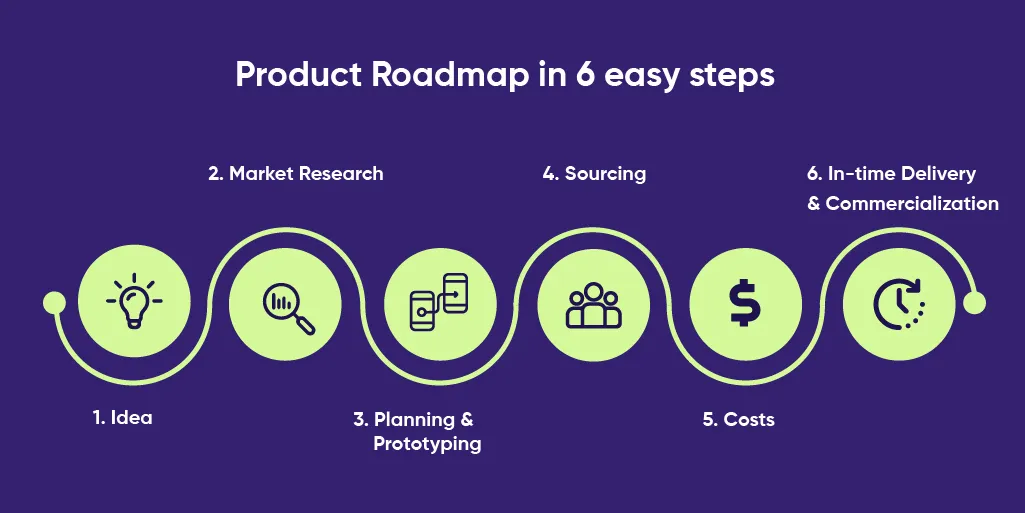
1. Brainstorm Freely
List every idea without filtering. Focus on what excites you and what problems you can solve.
2. Validate Demand
Use keyword research, trend analysis, and audience surveys to confirm interest before building.
3. Define Your Target Audience
Create detailed customer personas based on demographics, behavior, and motivations.
4. Develop a High-Quality Product
Use AI tools where helpful, but ensure your expertise and value remain at the core.
5. Market Strategically
Leverage content marketing, email campaigns, social media, partnerships, and SEO.
6. Improve Continuously
Collect feedback, track performance, and update your product to stay competitive.
Why Digital Selling Is Growing Faster Than Ever
The global digital product market is expected to reach $331 billion by 2028, driven by scalability, accessibility, and automation.
Digital products:
- Generate revenue 24/7
- Scale without extra infrastructure
- Reach global audiences instantly
- Adapt quickly to market changes
This isn’t a passing trend — it’s a fundamental shift in how businesses operate.
Building Trust and Reducing Refunds

Trust directly impacts conversions and customer satisfaction.
Best practices:
- Deliver polished, high-quality products
- Provide previews or samples
- Use clear descriptions and visuals
- Display reviews and testimonials
- Offer fair refund policies
- Provide responsive customer support
When customers feel confident, they buy more — and stay longer.