
It’s hard to imagine a world without online shopping today. Ordering groceries from a smartphone, buying clothes from another country, or subscribing to digital services has become second nature. This reality makes one question not whether e-commerce will grow, but how far it will go. As we move into 2026 and beyond, the scope of e-commerce continues to expand at an unprecedented pace, reshaping industries, redefining consumer behavior, and creating opportunities that were once unimaginable.
Traditional shopping once revolved around local markets, branded stores, and physical interactions. Geography dictated choice, time limited access, and information was scarce. Today, technology has removed those boundaries. Distance no longer matters, businesses can scale faster than ever, and consumers enjoy freedom, flexibility, and variety at their fingertips.
This article explores the evolving scope of e-commerce in 2026 and beyond—what it means, why it matters, how it has evolved, and the immense opportunities it offers to consumers, entrepreneurs, and established businesses alike.
What Is E-Commerce?
Think back to a time when shopping meant stepping out of your home, navigating traffic, and standing in long queues. E-commerce has completely transformed that experience.
In simple terms, e-commerce (electronic commerce) refers to the buying and selling of goods and services through the internet. Instead of visiting a physical store, consumers can browse products online, compare prices, read reviews, make digital payments, and receive deliveries at their doorstep.
From groceries and electronics to education, entertainment, and financial services, e-commerce has woven itself into everyday life. What once seemed like a futuristic concept has now become an essential part of modern living—driven largely by convenience, speed, and accessibility.
In 2026 and beyond, e-commerce will go far beyond simple online transactions. It will become smarter, more personalized, and more deeply integrated into how people live and work.
Importance of E-Commerce in the Modern World
In an era dominated by smartphones and constant connectivity, businesses quickly realized that customers no longer wanted to adapt to stores—stores needed to adapt to customers. E-commerce answered that demand.
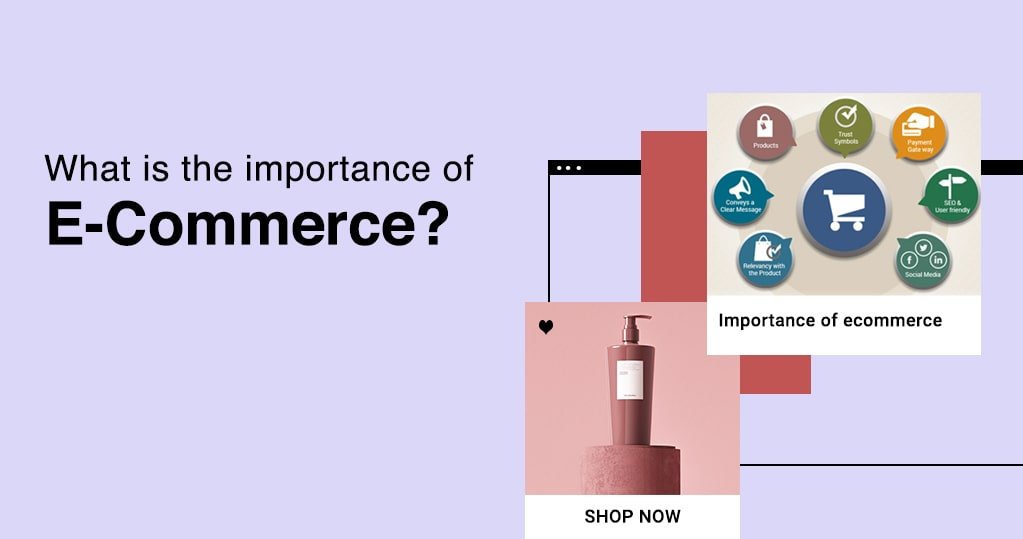
Today, it is nearly impossible for a business to survive or scale without an online presence. E-commerce platforms allow brands to collect and analyze customer data, understand buying behavior, and offer experiences that feel highly personalized. From product recommendations to dynamic pricing and targeted offers, online shopping now feels tailor-made for each user.
For businesses, e-commerce streamlines operations by improving inventory management, supply chain coordination, and order fulfillment. Automation and analytics help reduce costs while increasing efficiency. For consumers, access to global products, detailed descriptions, ratings, and reviews has made shopping more informed and transparent than ever before.
As technology evolves, the importance of e-commerce will only increase—becoming not just a sales channel, but the backbone of modern commerce.
Key Benefits Driving the Growth of E-Commerce
1. Unmatched Convenience
One of the strongest reasons behind the rise of e-commerce is convenience. For people living in small towns or remote areas, access to premium brands and specialized products was once limited. Buying something unique often required traveling to a larger city.
E-commerce has eliminated this barrier entirely. If a product isn’t available locally, it can be ordered online and delivered within days—or even hours. There are no opening hours, no crowds, and no travel involved. Shopping can happen anytime, anywhere, whether from a laptop at home or a mobile phone on the go.
In 2026 and beyond, convenience will become even more refined with faster deliveries, voice-based shopping, and AI-powered recommendations.
2. Wider Reach and Global Audience
Perhaps the greatest advantage e-commerce offers businesses is access to a global audience. Traditional brick-and-mortar stores are limited by location and infrastructure. E-commerce, on the other hand, allows even small businesses to reach customers across cities, countries, and continents.
With the right digital marketing strategies—such as search engine optimization, social media marketing, and influencer collaborations—brands can attract customers from diverse regions without massive upfront investment. This global exposure opens doors to new markets, increased sales, and rapid scalability.
In the coming years, cross-border e-commerce will continue to grow, supported by improved logistics, international payment systems, and localized online experiences.
3. Lower Marketing Costs and Higher Return on Investment
One reason e-commerce is so attractive to businesses is its cost efficiency. Compared to traditional advertising methods like print, television, or billboards, digital marketing is far more affordable and measurable.
Online campaigns can be targeted with precision—based on user interests, browsing behavior, age, location, and purchase history. This ensures that marketing budgets are spent on audiences most likely to convert, resulting in higher return on investment (ROI).
In 2026 and beyond, data-driven marketing and AI-powered ad optimization will further improve campaign performance, allowing businesses to do more with less.
4. Highly Targeted Marketing and Personalization
E-commerce platforms excel at personalization. Every click, search, and purchase tells a story about customer preferences. Businesses can use this data to create customized ads, personalized emails, and tailored product suggestions.
Instead of generic promotions, customers receive relevant offers at the right time, on the right platform. Retargeting ads remind users of products they viewed but didn’t buy, while loyalty programs reward repeat customers.
This level of targeted marketing improves engagement, boosts conversions, and strengthens brand loyalty—making e-commerce one of the most effective marketing ecosystems available today.
5. Speed and Efficiency in Shopping
Speed is another major factor driving the scope of e-commerce. Features like one-click purchases, saved payment details, and instant checkout reduce the time and effort required to complete a purchase.
The rise of quick commerce has taken speed to the next level. Groceries, medicines, and daily essentials can now be delivered within minutes. As logistics networks become more advanced, fast delivery will no longer be a luxury—it will be an expectation.
In the future, drone deliveries, autonomous vehicles, and hyperlocal fulfillment centers will further redefine how quickly products reach consumers.
The Journey of E-Commerce: How It All Began
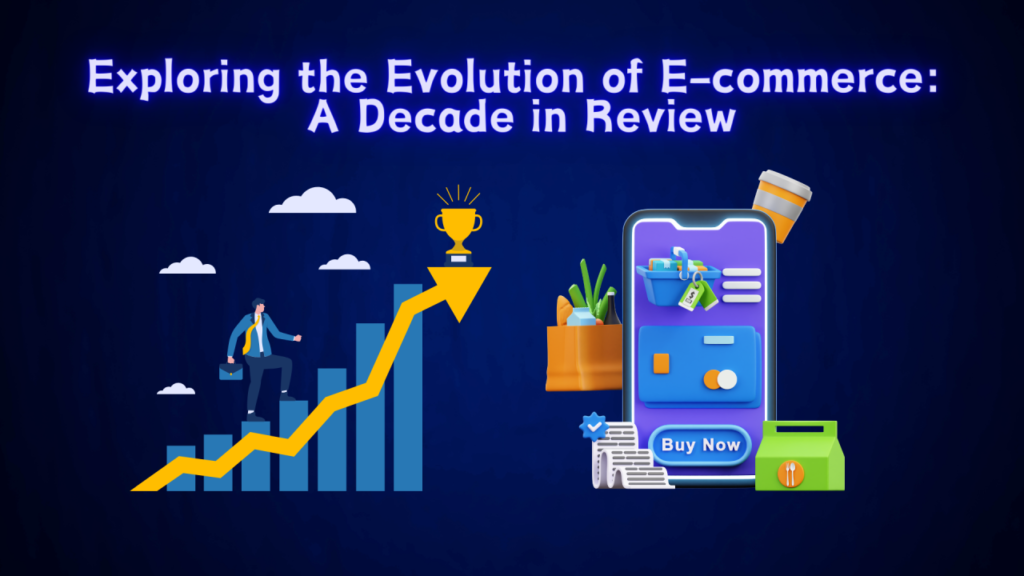
E-commerce didn’t become a global phenomenon overnight. Its journey is deeply tied to the growth of the internet and advancements in digital technology.
In the early days, limited internet access and concerns over online security kept e-commerce confined to niche audiences. However, as secure payment gateways, broadband connectivity, and smartphones became widespread, online shopping gained trust and popularity.
Over time, e-commerce expanded far beyond retail, influencing industries such as entertainment, food delivery, education, healthcare, and financial services.
The Birth of E-Commerce Giants
The foundation of modern e-commerce was laid by a few visionary pioneers who recognized the potential of the internet early on.
In 1994, Jeff Bezos founded Amazon as an online bookstore. What started as a simple idea quickly evolved into one of the world’s largest marketplaces. Amazon revolutionized shopping by offering vast product selection, competitive pricing, and home delivery—setting new standards for customer experience.
In 1995, Pierre Omidyar launched eBay, introducing the concept of online auctions and peer-to-peer commerce. This platform enabled individuals to buy and sell directly, opening the door to second-hand markets and unique collectibles that were hard to find in traditional stores.
In 1999, Jack Ma founded Alibaba, which went on to dominate the Chinese e-commerce landscape. By connecting small manufacturers with global buyers, Alibaba transformed B2B commerce. The launch of Taobao later revolutionized consumer shopping in China and beyond.
These early innovators paved the way for the massive e-commerce ecosystem we see today.
Scope of E-Commerce in 2026 and Beyond
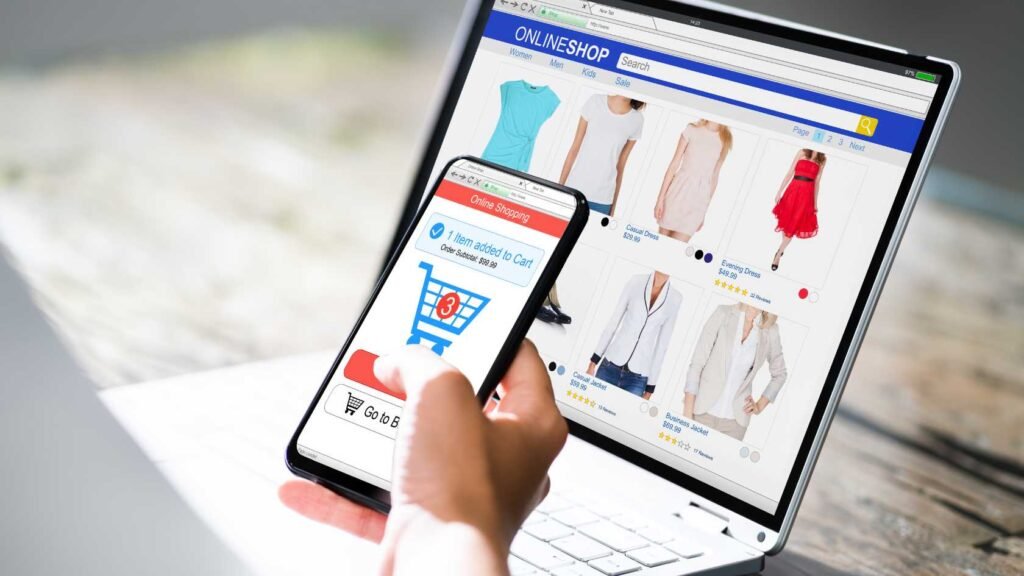
Looking ahead, the scope of e-commerce will extend far beyond online storefronts. Several trends will shape its future:
- Artificial intelligence will power smarter recommendations, chatbots, and automated customer support.
- Social commerce will continue to grow, blending entertainment and shopping into a single experience.
- Omnichannel retail will blur the lines between online and offline shopping.
- Sustainable and ethical commerce will influence buying decisions.
- Digital payments and fintech integration will make transactions faster and more secure.
E-commerce will become more immersive, intuitive, and deeply embedded in everyday life.
World Economic Forum (WEF) – Insights on digital economy and future commerce trends
https://www.weforum.org