
In recent years, India’s retail landscape has witnessed a remarkable transformation. Among the most significant shifts is the rise of quick commerce, often referred to as “Q-commerce,” which is redefining how consumers buy their groceries and daily essentials. Quick commerce in India. Unlike traditional retail or even standard e-commerce, Q-commerce emphasizes speed, convenience, and instant delivery, often promising products at customers’ doorsteps within an hour or less. This rapid evolution is not just a passing trend—it is reshaping the way organised retail operates in India’s major cities.
The Growth of Quick Commerce in India
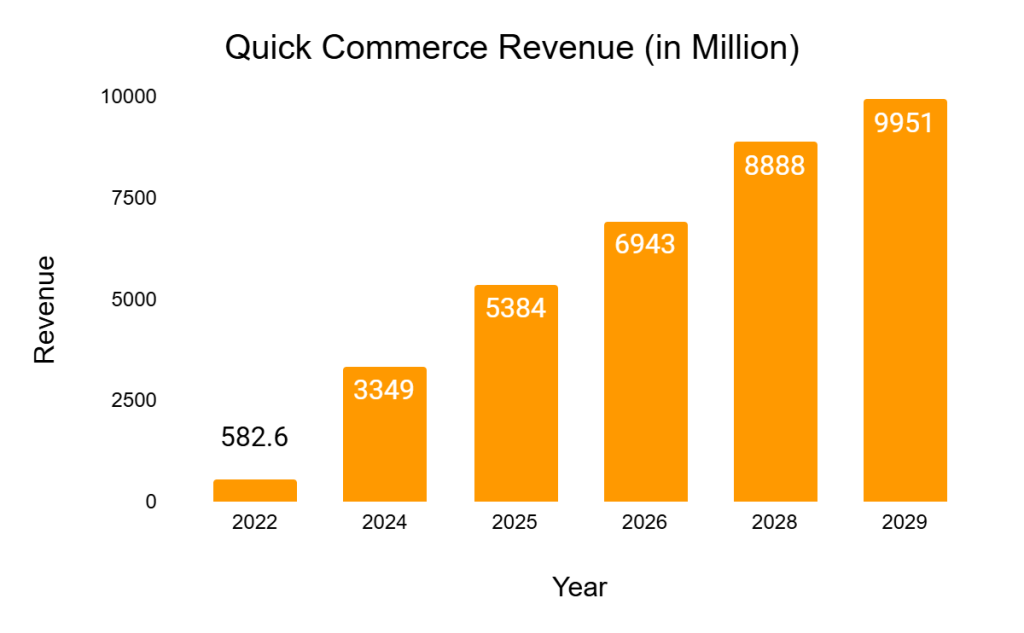
According to industry experts, quick commerce is set to significantly impact India’s food and grocery sector by 2025, with modern retail and online channels expected to account for 40–50% of key food sales. This figure represents a substantial rise compared to previous years, signaling that consumers are increasingly leaning toward faster, more convenient shopping options.
The key cities driving this growth include Delhi-NCR, Mumbai, Bengaluru, Pune, and Chennai. In these metropolitan regions, urban lifestyles, heavy traffic, and busy work schedules make traditional shopping trips less convenient, prompting consumers to seek alternatives that save both time and effort.
While quick commerce initially gained traction for smaller, high-demand items like snacks, beverages, and personal care products, it has expanded rapidly into staples, edible oils, frozen foods, dairy products, and even breakfast essentials. Consumers now expect that a service can deliver not just luxury items or snacks, but their everyday grocery needs within minutes.
How Quick Commerce Works
At its core, Q-commerce operates on ultra-efficient supply chains, leveraging dark stores, micro-warehouses, and intelligent logistics systems to ensure rapid delivery. Dark stores—small fulfilment centers located in urban hubs—stock essential products and are optimized for speed rather than customer browsing. Unlike traditional stores, these are not open to the public and serve as dispatch points for hyperlocal deliveries.
The use of real-time inventory management, AI-driven order routing, and predictive analytics allows Q-commerce platforms to anticipate demand and maintain stock availability for fast-moving items. This technological backbone is a key differentiator from conventional e-commerce and traditional retail channels.
Categories Leading the Growth
While quick commerce platforms handle a wide variety of products, some categories have seen particularly strong growth:
- Staples: Rice, wheat, pulses, and flour have transitioned from conventional supermarket purchases to fast delivery platforms. The convenience of home delivery ensures that consumers can replenish essential items quickly without making a weekly trip to a supermarket.
- Edible Oils: Essential cooking oils have emerged as a high-demand category, with consumers preferring brands they trust and the ability to reorder in minutes if they run out.
- Frozen Foods: The increasing popularity of frozen vegetables, ready-to-cook meals, and ice cream has dovetailed perfectly with Q-commerce’s fast delivery model, ensuring product freshness and quality.
- Breakfast and Daily Essentials: Milk, eggs, bread, and breakfast cereals now form a significant portion of hyperlocal orders, reflecting the shift in consumer behavior toward instant and reliable delivery.
- Packaged Snacks and Beverages: Quick commerce initially grew with impulse purchases, and these categories remain integral, driving repeat usage and customer loyalty.
Factors Driving the Q-Commerce Boom
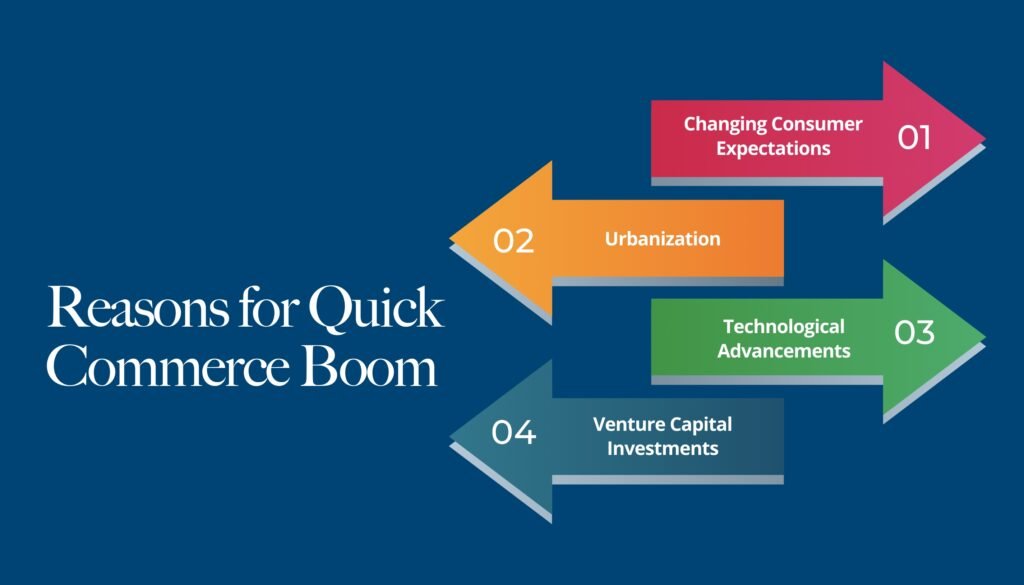
Several factors have contributed to the rapid adoption of quick commerce in India:
1. Urban Lifestyle and Convenience
In cities like Delhi-NCR and Mumbai, consumers juggle demanding work schedules, long commutes, and household responsibilities. Quick commerce offers a convenient alternative to long supermarket trips, enabling busy individuals and families to have groceries delivered within an hour.
2. Smartphone Penetration and Digital Payments
The proliferation of smartphones and digital payment methods has made online shopping easier than ever. Consumers can order groceries through mobile apps, track deliveries in real-time, and pay seamlessly via UPI, wallets, or cards. This digital ecosystem has removed barriers that previously slowed adoption.
3. Post-Pandemic Behaviour Changes
The COVID-19 pandemic accelerated online shopping trends across India. Lockdowns forced consumers to explore digital channels for essentials, and many discovered the convenience of home delivery. This behavior has persisted, creating long-term growth opportunities for Q-commerce.
4. Strategic Investments by Retailers
Leading players in India’s organised retail sector, including major e-commerce platforms and traditional supermarket chains, have invested heavily in hyperlocal logistics, cloud kitchens, and automated warehouses. These investments ensure speed, reliability, and consistency, which are critical to winning customer trust in quick commerce.
5. Competitive Pricing and Offers
Many Q-commerce platforms compete aggressively by offering discounts, bundle deals, and loyalty programs. Price-sensitive Indian consumers are attracted to these promotions, especially when combined with the convenience of instant delivery.
Challenges Facing Quick Commerce
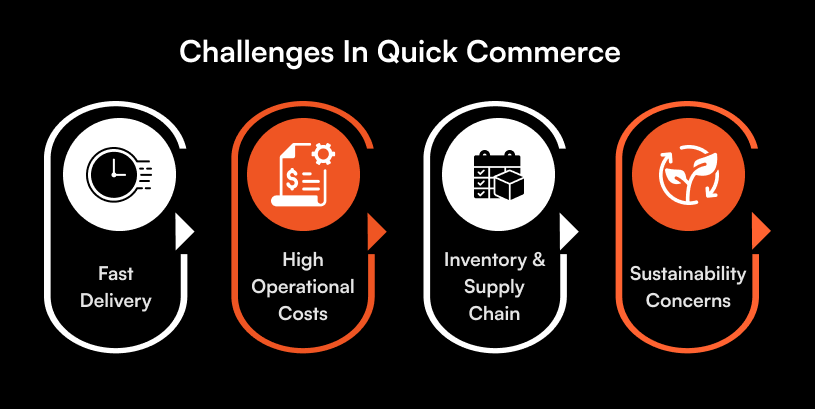
Despite its rapid growth, quick commerce is not without challenges.
1. High Operating Costs
Maintaining a dense network of dark stores, delivery personnel, and inventory is capital-intensive. The pressure to deliver in under an hour often results in higher operational expenses, which platforms must balance against competitive pricing.
2. Logistics and Traffic Constraints
Urban congestion, narrow streets, and unpredictable traffic conditions in Indian cities can make on-time deliveries difficult. Efficient route optimization and dynamic logistics planning are essential but not always foolproof.
3. Consumer Retention
While consumers appreciate speed, retention remains a challenge. Q-commerce platforms must ensure consistent product availability, timely deliveries, and excellent customer service to avoid losing customers to competitors.
4. Supply Chain Reliability
Fast delivery requires real-time inventory updates and precise stock management. Any disruption in the supply chain, whether due to vendor delays, inventory mismanagement, or seasonal demand spikes, can affect service quality.
The Organised Retail Shift
Quick commerce is also driving broader changes in organised retail. Traditionally, grocery purchases in India were dominated by kirana stores, wholesale markets, and supermarkets. Now, Q-commerce, combined with modern trade and e-commerce, is capturing a growing share of the market. By 2025, industry estimates suggest that 40–50% of key food category sales in major cities will flow through these modern channels.
This trend is prompting traditional retailers to innovate. Many kirana stores have partnered with delivery apps, adopted digital billing systems, and expanded their product offerings online. Similarly, supermarkets are launching express delivery services to compete with Q-commerce platforms.
Impact on Consumer Behavior
The rise of quick commerce is not just a technological or retail phenomenon—it is also changing how consumers think about shopping:
- Impulse Purchases: The immediacy of Q-commerce encourages consumers to order on impulse. Need a snack or a beverage? Platforms make it possible to get it delivered in under 30 minutes.
- Reduced Bulk Shopping: Traditional supermarket trips often involve buying in bulk. With fast delivery, consumers increasingly order smaller quantities more frequently, reducing storage concerns and waste.
- Brand Loyalty and Personalization: Q-commerce platforms leverage data analytics to recommend products based on previous orders, enhancing brand loyalty and personalized shopping experiences.
Future Prospects
The potential for quick commerce in India is enormous. Analysts predict that the market will continue to expand, driven by factors like rising disposable incomes, urbanization, and technological innovation. Some possible future trends include:
- Integration of AI and Automation: From predictive ordering to autonomous delivery vehicles, AI will further enhance the efficiency and speed of Q-commerce operations.
- Expansion to Tier-2 and Tier-3 Cities: While metropolitan cities currently lead adoption, smaller urban centers are likely to see Q-commerce penetration as logistics networks expand.
- Sustainability Initiatives: With increasing environmental awareness, platforms may adopt eco-friendly packaging, electric delivery vehicles, and optimized delivery routes to reduce carbon footprints.
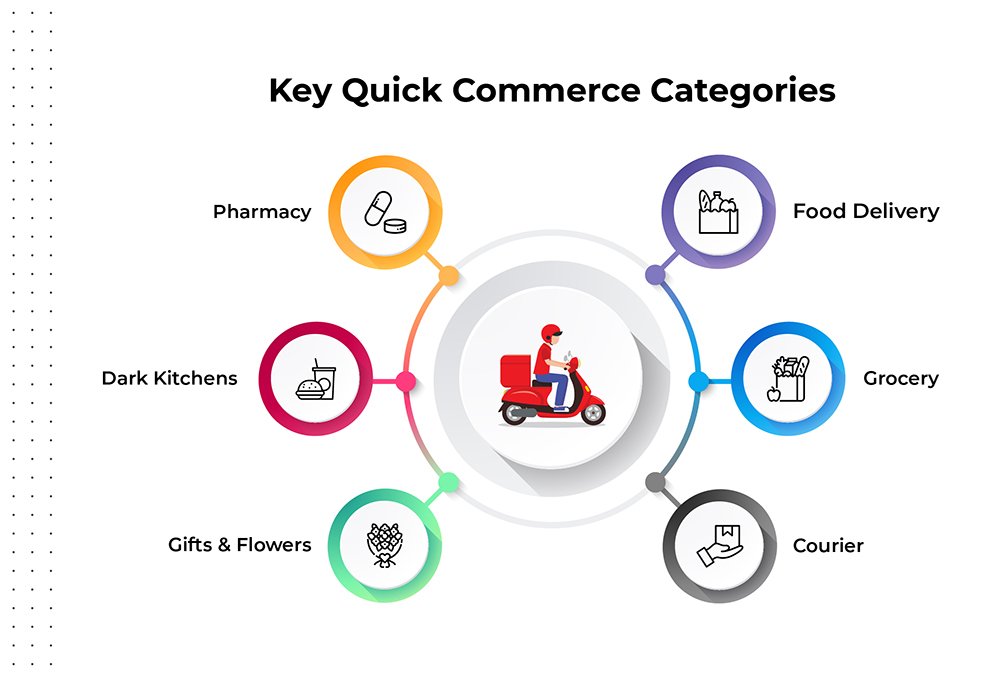
- Vertical Expansion: Quick commerce may move beyond groceries into categories such as pharmaceuticals, personal care, and ready-to-eat meals, further embedding itself into daily consumer routines.
- Collaborations with Traditional Retailers: Partnerships with local kirana stores and supermarkets will help Q-commerce platforms enhance reach while supporting local businesses.
For more details 👉 Quick commerce takes lead in organised retail – The Economic Times