
Introduction
After months of speculation, Vladimir Putin, the current President of Russia, has officially announced his candidacy for the upcoming presidential election. This move comes as no surprise to many, considering Putin’s long-standing political career and his significant influence in Russian politics. In this article, we will explore Putin’s decision to run for president again, analyze his potential agenda, and discuss the implications for Russia and the international community.
Putin’s Political Career
Vladimir Putin has been a prominent figure in Russian politics for over two decades. He served as the President of Russia from 2000 to 2008, followed by a term as Prime Minister, and then returned to the presidency in 2012. Throughout his tenure, Putin has implemented various policies that have shaped the country’s political landscape and consolidated his power.
The Decision to Run Again
Putin’s decision to run for president again reflects his desire to maintain control over Russia’s political direction. By seeking another term, he aims to continue his policies and ensure stability in a time of uncertainty. Additionally, Putin enjoys strong support from a significant portion of the Russian population, which further strengthens his position.
Potential Agenda
While Putin has not yet released a detailed agenda for his next term, there are several key areas that he is likely to focus on:
Economic Stability
Under Putin’s leadership, Russia has experienced both economic growth and challenges. In his next term, he may prioritize measures to strengthen the economy, attract foreign investments, and diversify industries to reduce dependence on oil and gas.
National Security
Putin has consistently emphasized the importance of national security and has taken decisive actions to protect Russian interests. He is expected to continue his efforts to modernize the military, combat terrorism, and maintain a strong stance on international relations.
Social Reforms
Putin has previously addressed social issues such as healthcare, education, and pension reforms. These areas are likely to remain on his agenda as he seeks to improve the quality of life for Russian citizens and address the concerns of different demographics.
Implications for Russia and the International Community
Putin’s decision to run for president again has significant implications for both Russia and the international community:
Continuity of Leadership
Putin’s candidacy ensures a continuation of his policies and leadership style, which may provide stability in a time of geopolitical uncertainty. However, it also raises concerns about the concentration of power and the potential lack of political diversity in Russia.
Relations with the West
Putin’s re-election bid could further strain relations between Russia and the West. His assertive foreign policy, particularly in Ukraine and Syria, has already led to tensions and sanctions. The international community will closely watch the election process and its impact on global politics.
Domestic Dissent
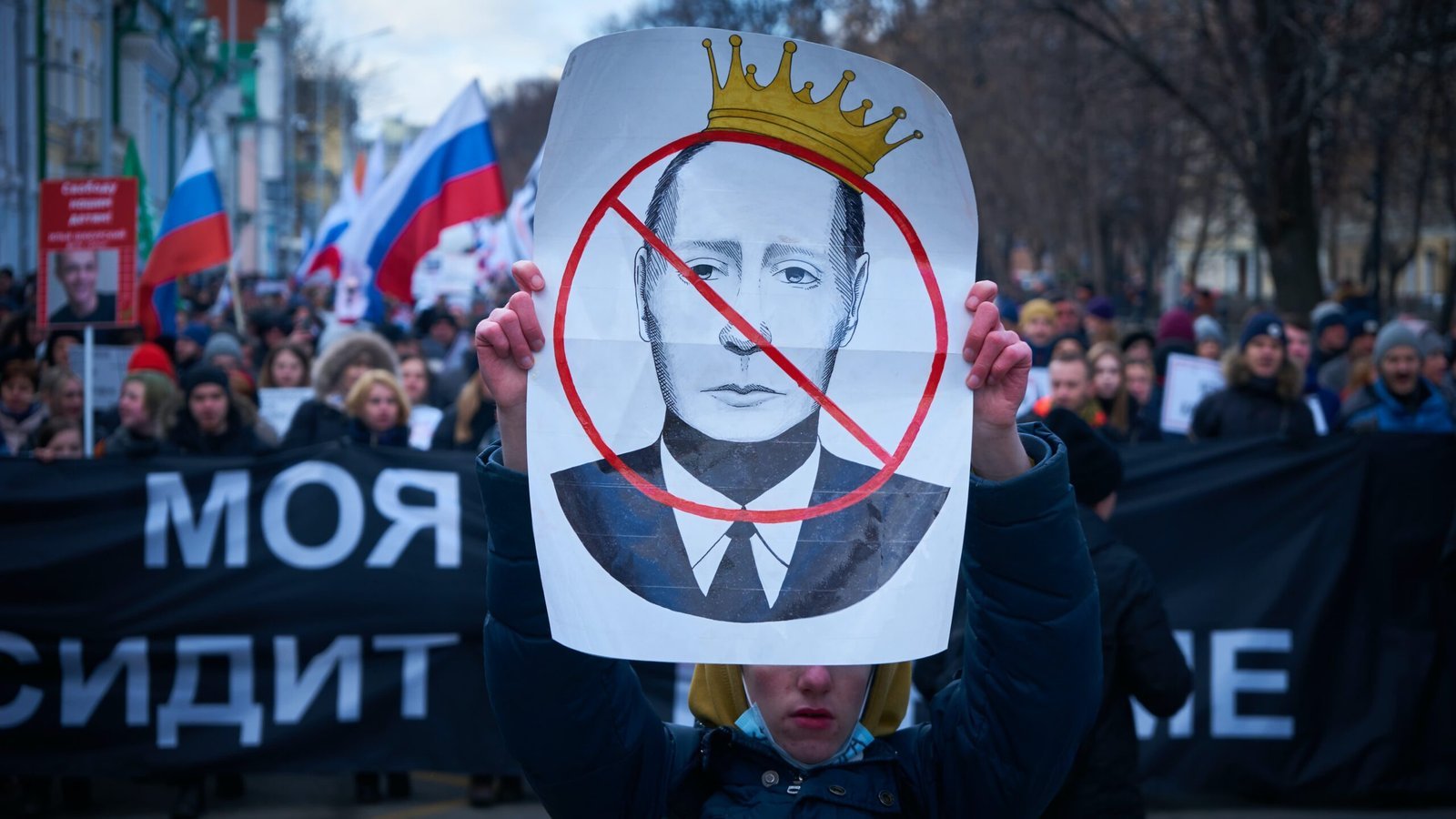
While Putin enjoys significant popularity, there are voices of dissent within Russia. Some critics argue that his prolonged stay in power limits political freedom and stifles opposition. The upcoming election will be a test of the Russian people’s desire for change or continuity.
Conclusion
Vladimir Putin’s decision to run for the Russian presidency again comes as no surprise. As a seasoned politician, Putin aims to maintain control over Russia’s political landscape and ensure stability in a time of uncertainty. While his candidacy raises concerns about political diversity and strained international relations, it also provides an opportunity for the Russian people to voice their opinions and shape the future of their country.