

The e-commerce landscape has evolved dramatically in the past decade. While global giants like Amazon and Walmart dominate online retail with extensive logistics networks and brand partnerships, a newcomer from India, Meesho, is quietly revolutionizing the way people shop. With a unique social commerce model, an emphasis on affordability, and strategic focus on tier-2 and tier-3 towns, Meesho has emerged as the fastest-growing shopping app in the world, surpassing traditional competitors in downloads and adoption.
In this article, we explore Meesho’s business model, its competitive edge over e-commerce giants, the social and economic impact of its growth, and the reasons behind its meteoric rise in the global market.
The Rise of Meesho
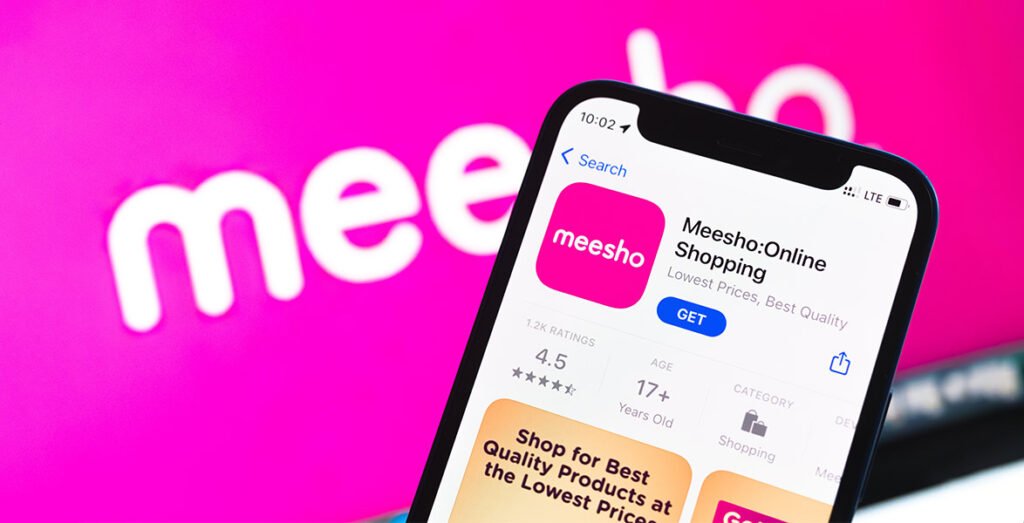
Founded in 2015, Meesho was born out of a vision to empower small-scale sellers and entrepreneurs while making online shopping accessible to a wider audience. Unlike conventional e-commerce platforms that rely heavily on direct-to-consumer sales, Meesho adopted a social commerce approach.
The concept is simple yet transformative: users can browse products on the Meesho app and resell them by sharing listings via WhatsApp, Facebook, Instagram, and other social networks. This allows resellers to earn a commission on every sale without holding inventory or managing logistics. By creating this ecosystem, Meesho not only expanded its reach but also generated a new wave of entrepreneurship among individuals, particularly in smaller towns and rural areas.
Meesho’s Global Dominance
By 2022, Meesho had become the most-downloaded shopping app in the world, registering over 500 million downloads. This milestone is remarkable for a company that competes against global powerhouses like Amazon and Walmart.
Several factors contributed to this phenomenal growth:
- Focus on affordability: Meesho offers a wide range of products priced under $4, making it accessible to consumers with limited disposable income.
- Targeting small-town consumers: Unlike Flipkart or Amazon, which primarily focus on urban high-income groups, Meesho caters to tier-2 and tier-3 cities, where affordability and convenience are paramount.
- Social reselling model: By enabling users to share products with friends and family, Meesho creates organic growth and reduces the need for expensive advertising campaigns.
- Optimized app size: At just 13.6 MB, the Meesho app is light enough to function smoothly on low-end smartphones with limited storage or slower internet connections.
The Meesho Marketplace

The Meesho app is divided into two main segments: unbranded products and Meesho Mall, which features branded goods.
Unbranded Products
Meesho offers a variety of unbranded, everyday products at incredibly affordable prices. These include:
- Clothing: jeans, kurtas, shirts, and ethnic wear
- Footwear: sandals, shoes, and slippers
- Accessories: watches, bags, belts
- Home essentials: kitchenware, decor items, and small electronics
By providing these products at extremely low prices, Meesho allows consumers to purchase items without straining their budgets. This strategy has been particularly effective in smaller towns, where price sensitivity is high.
Meesho Mall
For consumers seeking branded products, Meesho Mall offers items from well-known companies such as:
- boAt (audio accessories)
- Portronics (electronics)
- Zebronics (gadgets and electronics)
- Paragon (footwear)
- Decathlon (sports equipment)
This dual approach ensures that Meesho caters to both budget-conscious shoppers and those looking for branded items, creating a comprehensive marketplace that appeals to a wide demographic.
The Social Commerce Advantage
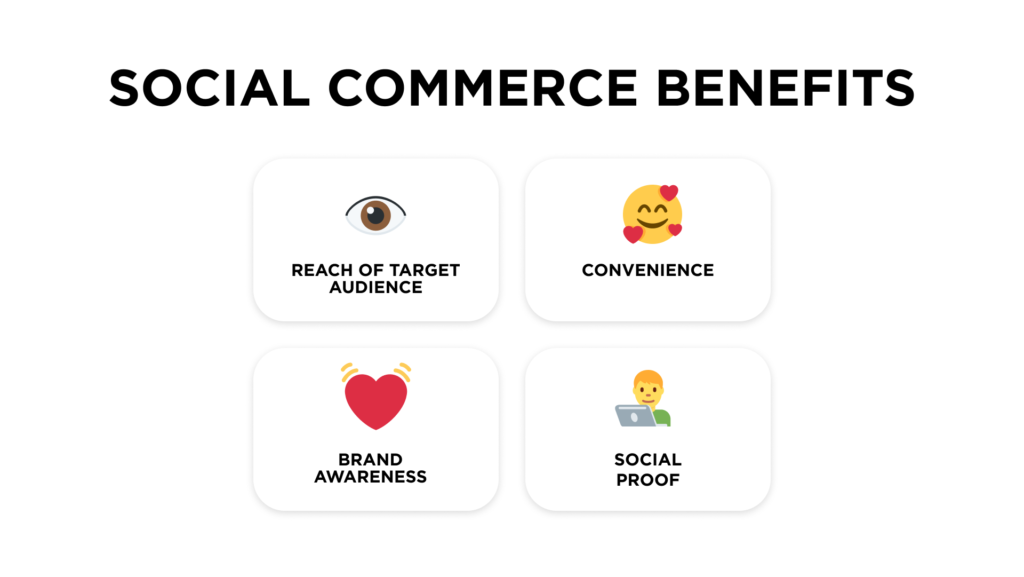
One of the defining aspects of Meesho’s success is its social commerce model. Unlike Amazon or Flipkart, which invest heavily in paid marketing campaigns, Meesho leverages its user base to market products organically.
Here’s how it works:
- Resellers browse the app and select products to promote.
- Listings are shared via WhatsApp, Instagram, or Facebook to friends, family, or broader social circles.
- Orders are placed through Meesho, and the company handles logistics, delivery, and payments.
- Resellers earn a commission for every successful sale, typically between 5% and 20%, depending on the product category.
This model creates a virtuous cycle:
- Users earn income as resellers
- Customers discover affordable products via trusted networks
- Meesho expands its reach without massive marketing expenditure
By harnessing the power of social networks, Meesho not only reduces customer acquisition costs but also encourages entrepreneurship at a grassroots level, particularly among women and home-based sellers.
Competing Against Amazon and Walmart
Meesho’s rise is particularly notable because it directly challenges e-commerce behemoths like Amazon and Walmart. Here’s how it differentiates itself:
1. Focus on Price-Sensitive Consumers
While Amazon and Flipkart primarily target urban, high-income consumers with premium electronics, home appliances, and branded goods, Meesho emphasizes low-cost products suitable for smaller towns. This strategy allows Meesho to tap into a massive underserved market segment, which remains largely ignored by traditional e-commerce giants.
2. Zero Commission Model
Meesho’s zero commission policy enables sellers to offer products at lower prices than competitors. In contrast, platforms like Amazon charge sellers fees, which are often passed on to consumers. By reducing overheads, Meesho ensures that affordability remains central to its value proposition.
3. Mobile Optimization
The Meesho app is designed for low-end smartphones and operates efficiently even on slow internet connections. With a size of just 13.6 MB, it is significantly lighter than the apps of Amazon and Flipkart, making it accessible to consumers with limited storage and data capabilities.
4. Community and Entrepreneurship
Meesho doesn’t just sell products; it builds communities of resellers. This focus on empowering individuals to earn an income creates a loyal user base, driving organic growth. Amazon and Flipkart lack a similar social commerce ecosystem.
Impact on Small-Town India
Meesho’s success is closely tied to its impact on tier-2 and tier-3 towns:
- Economic empowerment: Many resellers, especially women, use Meesho to generate a steady income, contributing to household earnings.
- Access to products: Consumers in smaller towns gain access to products that were previously difficult to source locally.
- Entrepreneurial culture: By lowering barriers to entry, Meesho encourages micro-entrepreneurship and skill development.
This focus on smaller towns and social selling has helped Meesho penetrate markets that Amazon and Flipkart struggle to reach, giving it a strategic advantage in India’s rapidly growing e-commerce sector.
Investment and Growth Trajectory
Meesho has attracted substantial venture capital investments since its inception. In 2019, Meta invested in Meesho, signaling confidence in the platform’s social commerce model. The company has continued to scale rapidly, leveraging its reseller network, targeted marketing, and efficient logistics to sustain growth.
By 2022, Meesho’s 500 million app downloads made it the most downloaded shopping app in the world, highlighting its global relevance despite being an India-focused platform.
The company’s ability to compete with Amazon and Walmart on price, accessibility, and social engagement has positioned it as a strong contender in the global e-commerce ecosystem.
Challenges Ahead
While Meesho has experienced phenomenal growth, it faces several challenges:
- Competition from global giants: Amazon and Walmart continue to expand into smaller towns, potentially encroaching on Meesho’s target market.
- Profitability pressure: Maintaining low prices while scaling operations can impact margins.
- Reseller management: Retaining a motivated network of resellers and preventing misuse or churn is critical for sustaining growth.
- Regulatory environment: Social commerce regulations and e-commerce policies could affect operational flexibility.
Addressing these challenges will be essential for Meesho to sustain its market position and continue expanding both in India and potentially in other markets.
The Future of Meesho
Looking ahead, Meesho is likely to continue innovating its social commerce platform, expand product categories, and strengthen logistics capabilities. Potential growth avenues include:
- Introducing financial services for resellers, such as micro-loans or insurance products
- Expanding into grocery, electronics, and home essentials for wider appeal
- Scaling operations to international markets with similar small-town consumer demographics
With a focus on affordability, entrepreneurship, and mobile-first design, Meesho is well-positioned to maintain its competitive edge in India’s social commerce landscape.
Meesho Official Website
https://www.meesho.com