
India’s e-commerce landscape reached a defining milestone during the Republic Day sale period of 2026, signaling a deeper transformation than just record-breaking numbers. While eye-catching statistics such as a 34% surge in order volumes and a 30% rise in gross merchandise value (GMV) grabbed headlines, the real story lies beneath the surface. For the first time, online payments overtook cash on delivery (COD) during a major sale event, reflecting a decisive shift in consumer trust, digital maturity, and shopping behavior.
At the same time, the Beauty and Personal Care (BPC) category emerged as the fastest-growing segment, clocking nearly 75% year-on-year growth, while traditionally dominant electronics showed signs of fatigue. Add to this the rapid rise of Tier 2 and Tier 3 cities, which contributed a substantial share of total orders, and it becomes clear that Indian e-commerce is no longer metro-centric, discount-driven, or hesitant about digital transactions.
Together, these developments point to the arrival of a new e-commerce era in India—one defined by confidence, convenience, and conscious consumption.
A Strong Republic Day Sale Signals Structural Change
Republic Day sales have always been an important barometer for India’s online retail market. However, the 2026 edition stood out not merely for its scale, but for what it revealed about how Indian consumers are evolving.
Platforms across the ecosystem—marketplaces, quick-commerce players, and direct-to-consumer (D2C) brands—reported robust performance. Order volumes jumped by more than one-third compared to the previous year, while GMV growth reflected consumers’ willingness to spend more per transaction.
Yet, unlike earlier years where growth was largely fuelled by steep discounts and impulse buying, the 2026 sales period showcased intentional purchasing behavior. Consumers displayed clear category preferences, greater payment confidence, and a willingness to shop earlier in the day rather than during late-night flash sales.
This transition suggests that Indian e-commerce is steadily moving from a phase of rapid adoption to one of sustained, quality-driven expansion.
Digital Payments Finally Overtake Cash on Delivery

Perhaps the most significant development of the 2026 Republic Day sale was the moment when online payment methods surpassed cash on delivery for the first time during a major festive sales window.
For years, COD had been a defining feature of Indian e-commerce, reflecting consumer caution around online payments, fraud concerns, and unreliable delivery infrastructure. While COD is still relevant in certain segments, its dominance is clearly fading.
Why This Shift Matters
The growing preference for UPI, digital wallets, and card-based payments highlights several important changes:
- Increased trust in digital payment systems
- Wider adoption of smartphones and banking services
- Improved refund mechanisms and consumer protection
- Seamless UPI experiences integrated into e-commerce platforms
For businesses, this transition brings tangible advantages. Reduced dependence on COD lowers return-to-origin rates, improves cash flow cycles, and minimizes logistics costs. For D2C brands in particular, digital payments allow for faster settlements and better customer data insights.
While cash remains resilient in certain geographies and product categories, the balance has clearly tipped. Digital payments are no longer just an alternative—they are becoming the default choice for India’s online shoppers.
Beauty and Personal Care Takes Center Stage
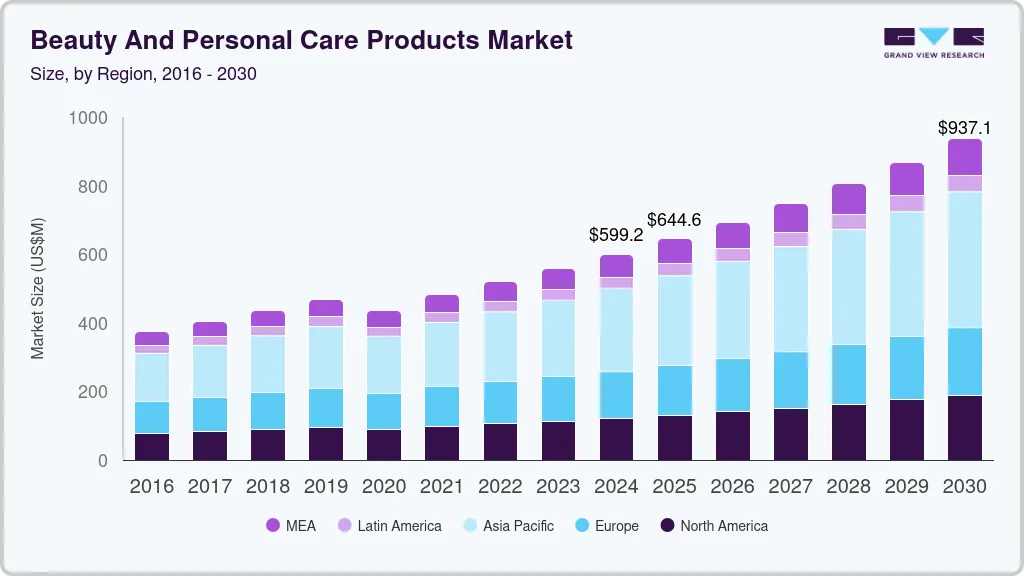
The Beauty and Personal Care (BPC) segment was the standout performer of the 2026 Republic Day sale, recording an extraordinary 74–75% increase in order volumes compared to the previous year.
What’s Driving the BPC Boom?
Several factors are converging to fuel this surge:
- Growing Focus on Wellness and Self-Care
Indian consumers are increasingly prioritizing skincare, haircare, and personal wellness, a trend that accelerated post-pandemic and shows no signs of slowing down. - Rise of Ingredient-Aware Consumers
Shoppers today are more informed, actively seeking products that align with clean beauty, dermatologically tested formulations, and personalized care. - Strong D2C Brand Presence
Homegrown beauty brands, supported by influencer marketing and social commerce, have built trust and loyalty, especially among younger consumers. - Affordable Premiumization
Consumers are willing to spend more on products that promise quality and results, even during sale periods traditionally associated with bargain hunting.
Skincare and haircare products emerged as top performers, while personal grooming and wellness items also saw strong traction. The data clearly suggests that BPC is no longer a niche category—it is now a core growth engine of Indian e-commerce.
Electronics Lose Momentum as Consumer Priorities Shift

In contrast to the BPC boom, the electronics category experienced a year-on-year decline of approximately 24% during the Republic Day sale period.
This downturn does not necessarily signal long-term weakness, but it does reflect changing consumer priorities. Several factors may have contributed:
- Saturation in smartphone and gadget ownership
- Longer replacement cycles for electronics
- Reduced excitement around incremental upgrades
- Consumers reallocating discretionary spending toward lifestyle and wellness products
While electronics continue to contribute significantly to overall GMV, the decline underscores a broader shift in consumer behavior—from technology-led aspiration to holistic lifestyle enhancement.
Fashion, meanwhile, maintained its position as a major contributor to overall orders, benefiting from a blend of seasonal demand, value-driven purchases, and fast-changing trends.
Quick Commerce and Brand Websites Gain Ground
Another notable trend during the 2026 sale period was the growing importance of alternative shopping channels beyond traditional marketplaces.
Quick Commerce on the Rise
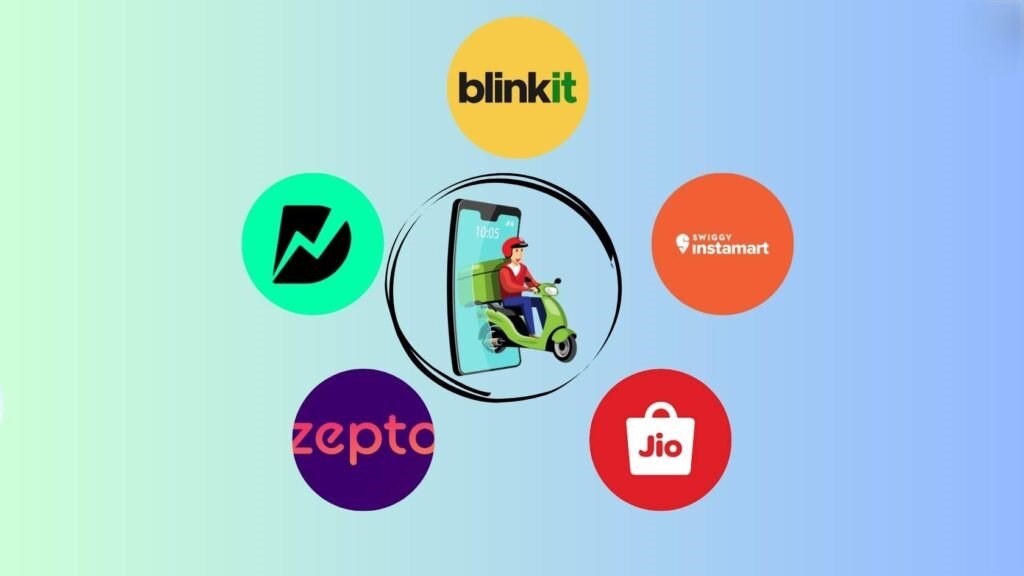
Quick commerce platforms reported around 25% year-on-year growth, driven by consumer demand for speed and convenience. Categories such as personal care essentials, beauty products, and daily-use items performed particularly well on these platforms.
The appeal of receiving products within minutes or hours is reshaping expectations, especially in urban and semi-urban areas.
Brand-Owned Websites Strengthen Their Position
Brand websites also saw healthy growth of approximately 23%, reflecting increasing consumer trust in purchasing directly from brands. Factors such as exclusive offers, better loyalty programs, and personalized experiences are drawing shoppers away from third-party marketplaces.
This trend signals a gradual decentralization of e-commerce, where consumers are comfortable navigating multiple platforms depending on product type and urgency.
Tier 2 and Tier 3 Cities Drive the Next Wave of Growth

One of the most encouraging signs for the Indian e-commerce ecosystem is the strong demand from Tier 2 and Tier 3 cities, which contributed nearly 40% of total order items during the Republic Day sale period.
Regions across Assam, West Bengal, Odisha, and other non-metro areas showed heightened engagement, particularly for Republic Day-themed merchandise and everyday lifestyle products.
What’s Fueling Non-Metro Growth?
- Improved logistics and last-mile delivery
- Increased smartphone and internet penetration
- Widespread adoption of UPI and digital wallets
- Aspirational consumption patterns beyond metros
Consumers in these regions are no longer late adopters—they are active participants shaping national demand trends. For e-commerce platforms and brands, Tier 2 and Tier 3 cities are rapidly becoming the primary engines of expansion.
Changing Shopping Timings Reflect Lifestyle Integration

Another subtle but telling shift observed during the 2026 sales period was when people chose to shop.
Historically, late-night hours dominated online shopping activity. However, this year saw the highest order volumes before 10 am, indicating a more planned and routine-based approach to e-commerce.
This change suggests that online shopping is becoming seamlessly integrated into daily life—something consumers do alongside morning routines rather than impulsively at night. It reflects greater intent, discipline, and confidence in digital platforms.
Technology Enhances Engagement and Conversions

Behind the scenes, AI-driven personalization, automation, and data analytics played a critical role in driving conversions during the sale period.
From personalized product recommendations to dynamic pricing and optimized delivery routes, technology helped platforms deliver smoother experiences and higher satisfaction levels.
As competition intensifies, such innovations will become essential—not optional—for brands looking to stand out in an increasingly mature market.
India’s E-Commerce Growth Outlook Remains Strong

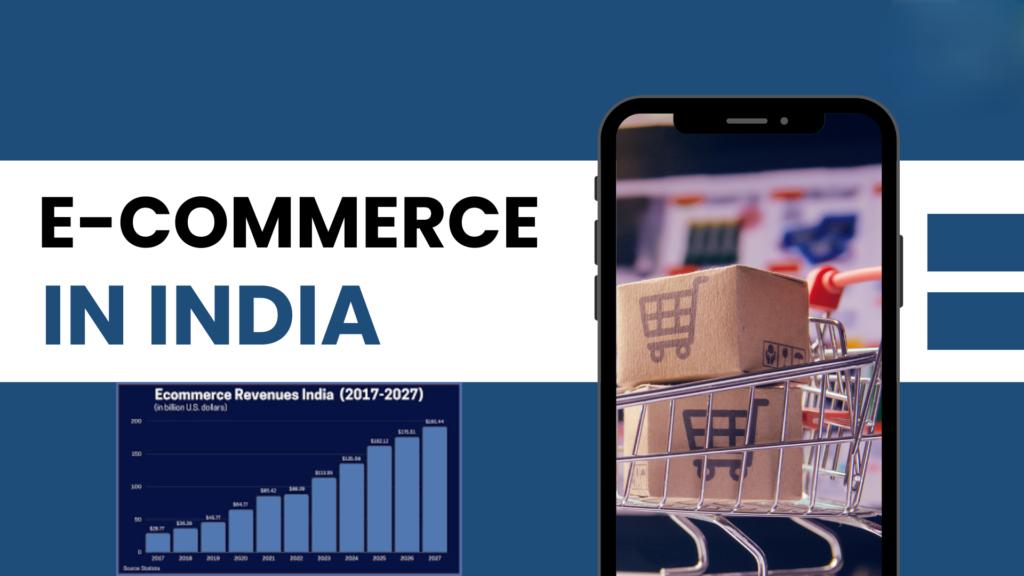
Looking beyond the Republic Day sale, the broader outlook for Indian e-commerce remains highly optimistic. Industry projections estimate annual growth of 17–22%, with the market expected to reach approximately $211.6 billion in the near term and $326.7 billion by 2029.
Key drivers include:
- Continued digital payment adoption
- Expansion into non-metro regions
- Growth of D2C and quick commerce
- Rising consumer focus on wellness, quality, and convenience
Rather than chasing short-term spikes, the ecosystem appears to be building a sustainable growth trajectory anchored in trust and accessibility.
For more details India’s E-Commerce Enters a New Era: Digital Payments Take the Lead as Beauty & Personal Care Soars in 2026