

India’s e-commerce sector is on the cusp of a transformative growth trajectory. According to a recent joint report released by industry body FICCI (Federation of Indian Chambers of Commerce & Industry) and property consultancy Anarock, the Indian e-commerce market is projected to soar to $120 billion by 2026, up from a modest $38 billion in 2021. This rapid expansion highlights not only the immense potential of online retail but also the significant ripple effect it will have on related sectors such as warehousing, logistics, and industrial infrastructure.
In this article, we delve into the report’s findings, explore the driving factors behind India’s e-commerce boom, examine the role of government policies, analyze infrastructural implications, and outline how this growth may reshape the broader economy in the coming years.
Exponential Growth of India’s E-Commerce Market
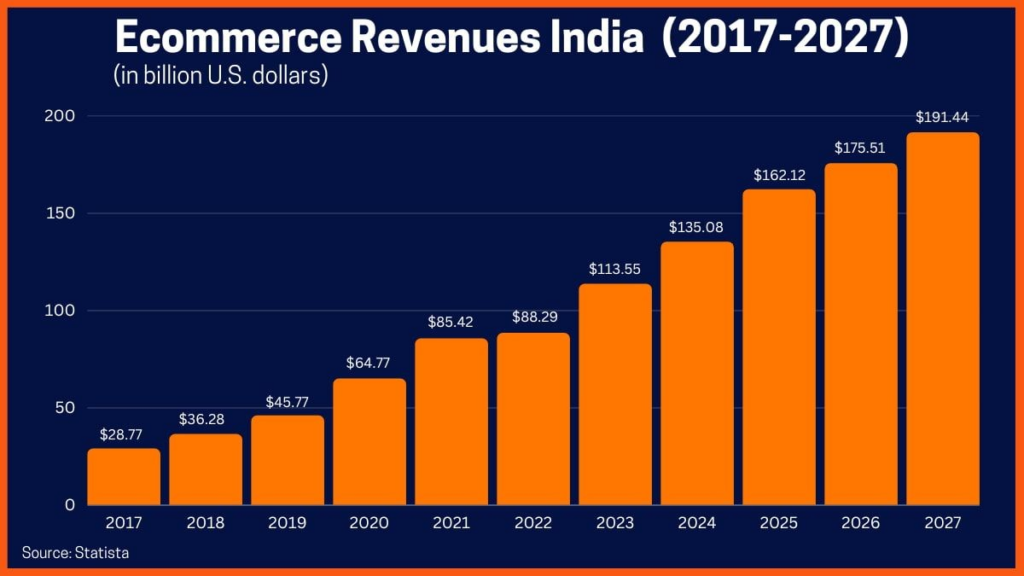
The FICCI-Anarock report underscores the extraordinary growth of India’s e-commerce ecosystem over the last five years. From $38 billion in 2021, the market is expected to more than triple in size, reaching $120 billion by 2026. This remarkable expansion reflects the increasing adoption of digital commerce across the country, driven by improved internet penetration, changing consumer preferences, and the widespread use of smartphones.
Furthermore, the report notes that the retail sector as a whole is expected to grow to over $1.8 trillion by 2030, compared to $705 billion in 2020. This robust growth in retail and e-commerce is not just a matter of numbers—it represents a significant engine of employment generation, entrepreneurship, and investment in India.
Factors Fueling the E-Commerce Boom
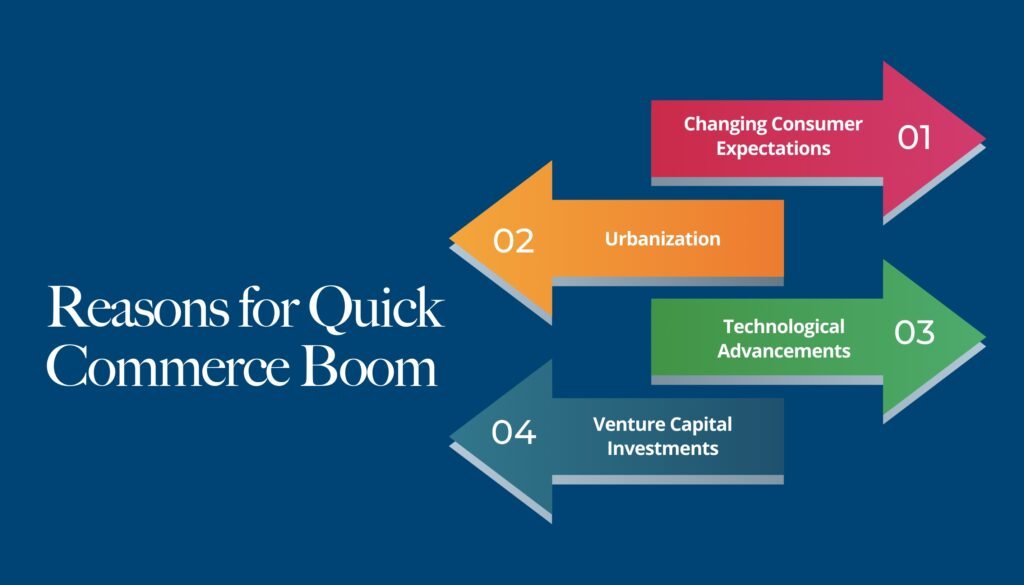
Several interrelated factors are driving this unprecedented growth in India’s online retail landscape:
1. Rapid Digital Penetration
One of the most critical enablers of India’s e-commerce growth has been the proliferation of affordable smartphones and high-speed internet. Over the last decade, India has witnessed a surge in digital connectivity, not just in metropolitan areas but also in Tier-II and Tier-III cities. Lower mobile data costs and improved network infrastructure have empowered millions of Indians to shop online for the first time.
2. COVID-19 Pandemic as a Catalyst
The COVID-19 pandemic acted as a catalyst for digital adoption. During nationwide lockdowns, physical retail stores were temporarily inaccessible, compelling consumers to shift to online shopping. The convenience of home delivery and the necessity of contactless transactions accelerated the adoption of e-commerce platforms across urban and semi-urban areas alike.
This trend has continued even post-pandemic, as consumers have become accustomed to the ease, speed, and safety of online shopping.
3. Rising Middle Class and Disposable Income
India’s growing middle class, increasing disposable incomes, and evolving lifestyle choices are also driving demand. Consumers are now more willing to explore a wider variety of products online, ranging from daily essentials to electronics, fashion, and luxury goods. This shift has created a fertile ground for e-commerce companies to expand their offerings and innovate.
4. Expansion into Tier-II and Tier-III Cities
Previously, e-commerce penetration was largely confined to Tier-I cities like Mumbai, Delhi, and Bangalore. Today, however, smaller cities and towns are emerging as growth engines for online retail. Improved internet access, better logistics networks, and changing consumer behavior have made these markets increasingly attractive for e-commerce players.
Implications for the Warehousing and Logistics Sector
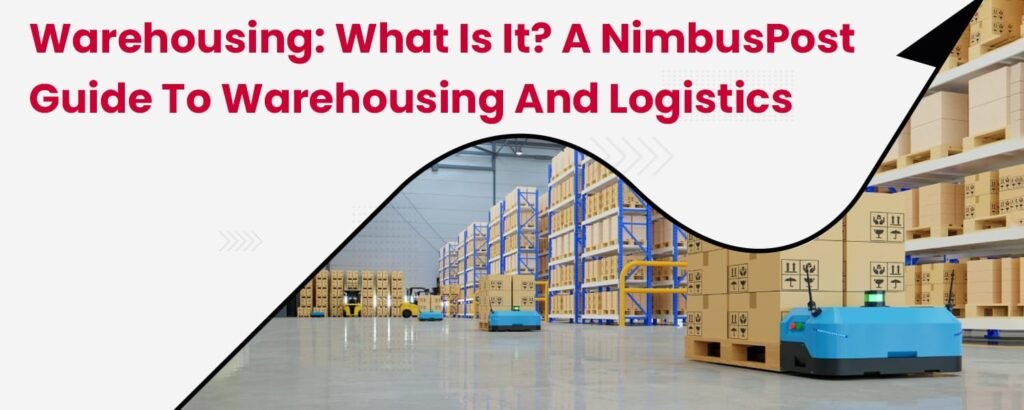
The exponential growth of e-commerce is not occurring in isolation. According to the report, the logistics and warehousing sectors are poised for significant expansion, particularly beyond India’s Tier-I cities. Several factors are contributing to this trend:
1. Increased Demand for Warehousing
With e-commerce companies expanding into smaller towns, there is an increasing need for strategically located warehouses to ensure quick delivery. This has led to a surge in demand for industrial real estate, especially in locations that offer easy access to transportation networks.
2. Last-Mile Delivery Focus
As online orders grow, the importance of last-mile delivery logistics becomes even more critical. Companies are investing heavily in local distribution centers, fleet management systems, and technology-driven supply chains to ensure timely and cost-effective deliveries.
3. Role of Government Infrastructure Programs
The government’s infrastructure initiatives have further strengthened the logistics ecosystem. Programs such as:
- Gati Shakti Program
- National Manufacturing Policy
- Self-Reliant India (Atmanirbhar Bharat) Campaign
…are improving connectivity, enabling smoother movement of goods, and incentivizing the development of modern warehouses and industrial hubs.
Policy and Regulatory Support
The government has also played a pivotal role in shaping India’s e-commerce and logistics landscape through policy reforms, tax rationalization, and industrial incentives. Some of the key measures highlighted in the report include:
- Goods and Services Tax (GST): Simplified taxation has reduced the compliance burden and streamlined logistics across states.
- Land and Tax Reforms: Policies aimed at making industrial land acquisition easier and more cost-effective have encouraged companies to establish new facilities.
- National Logistics Policy: Currently in draft form, this policy is expected to transform the logistics sector by introducing standardized processes, advanced digital infrastructure, and enhanced efficiency.
These initiatives, combined with industry-led investments, are creating an ecosystem that supports scalable and sustainable e-commerce growth.
Global Supply Chain Dynamics: The ‘China Plus One’ Strategy
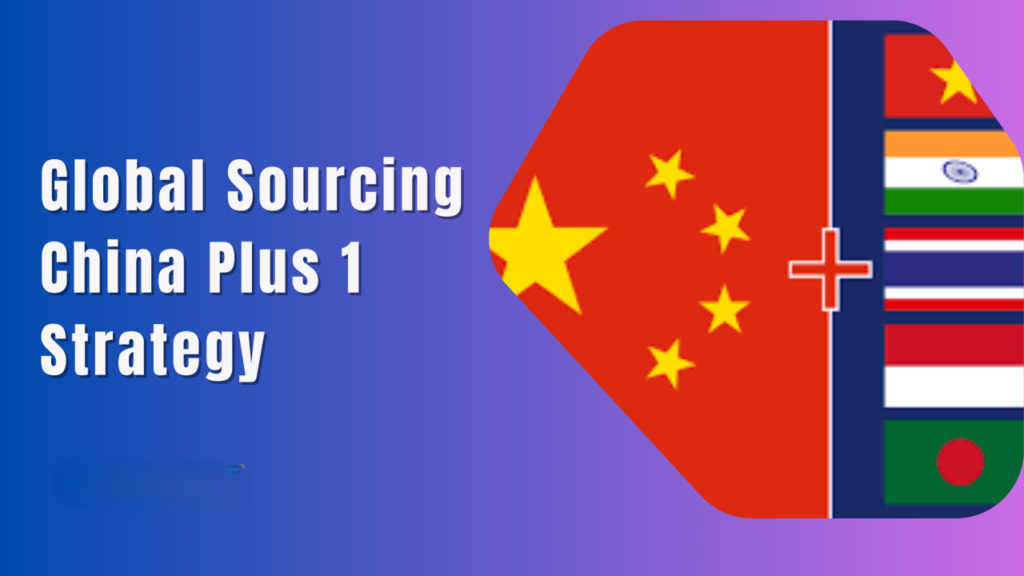
The pandemic also exposed vulnerabilities in global supply chains, prompting companies to adopt the ‘China Plus One’ strategy. The lockdowns in China disrupted manufacturing for several international brands, highlighting the risks of relying on a single country.
India is emerging as a favorable destination for diversification, with companies considering:
- Shifting existing manufacturing bases from China
- Setting up new production facilities in India
This trend will not only benefit the domestic manufacturing sector but also strengthen the logistics and warehousing ecosystem as demand for industrial infrastructure and efficient supply chains grows.
Office Space and Commercial Real Estate Demand

The FICCI-Anarock report also emphasizes the evolving dynamics of office space demand in India. As companies plan a steady return of employees to offices, there is a renewed focus on high-quality workspaces that combine convenience, well-being, and hygiene standards.
Key trends in office real estate include:
- Growing preference for well-located, modern offices
- Increased demand for amenities that enhance employee wellness
- Integration of technology-enabled facilities
This expansion in commercial real estate will further drive ancillary sectors such as logistics, facility management, and construction.
The Role of Tier-II and Tier-III Cities

While metropolitan cities remain critical for e-commerce growth, Tier-II and Tier-III cities are fast becoming the next growth frontier. Key drivers include:
- Affordable Internet Access: Low-cost mobile data has made online shopping accessible to millions.
- Rising Aspirations: Young consumers in smaller cities are increasingly exploring branded products and e-commerce services.
- Improved Delivery Networks: Companies are expanding their last-mile delivery operations to ensure timely service in these regions.
By tapping into these markets, e-commerce companies can scale rapidly while capturing previously underserved consumers.
Sector-Wide Opportunities
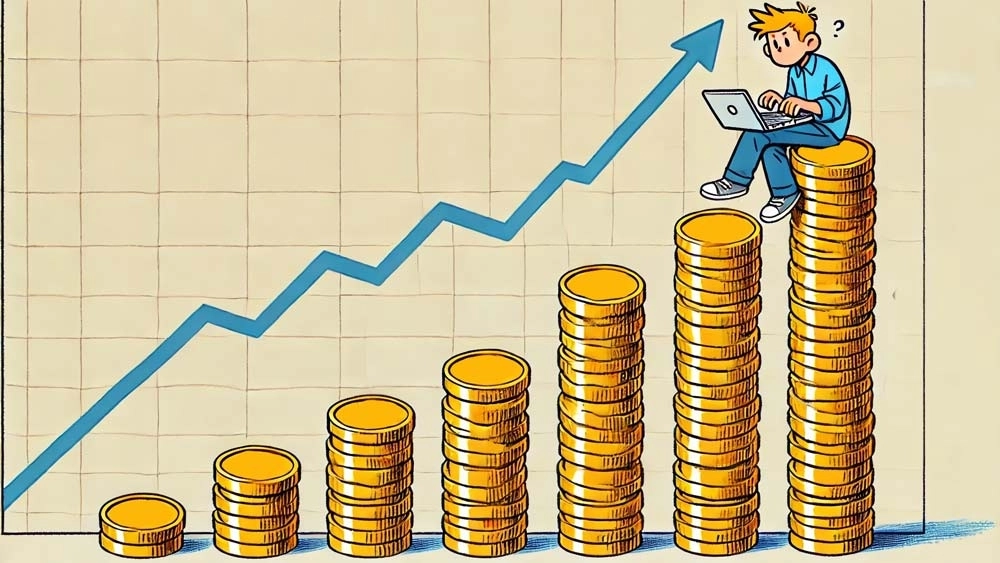
The growth of e-commerce in India creates multiple opportunities for stakeholders across the economy:
1. Retail Businesses
Traditional retail players can leverage e-commerce platforms to expand their reach beyond physical stores, attract new customers, and optimize supply chains.
2. Logistics and Delivery Companies
Rising online orders demand efficient logistics services, opening avenues for startups and established players to provide last-mile delivery, warehousing, and supply chain management solutions.
3. Real Estate Developers
Warehouse developers and industrial real estate firms can capitalize on increased demand for modern storage facilities, particularly in emerging urban and semi-urban centers.
4. Technology Solutions
Software solutions for inventory management, route optimization, payment systems, and customer engagement will see growing demand as e-commerce companies scale their operations.
Challenges and Considerations

While India’s e-commerce market offers tremendous opportunities, several challenges remain:
- Infrastructure Bottlenecks: Despite government initiatives, road networks, cold storage facilities, and last-mile delivery networks need further enhancement.
- Regulatory Compliance: E-commerce companies must navigate complex rules regarding taxation, foreign direct investment, and labor regulations.
- Competition: Intense competition among domestic and international e-commerce players may drive aggressive pricing strategies, impacting profitability.
- Consumer Expectations: High customer expectations regarding delivery speed, product quality, and service reliability require constant innovation.
Overcoming these challenges will be critical for sustaining long-term growth and maximizing the sector’s economic impact.
Future Outlook
The FICCI-Anarock report paints an optimistic picture of India’s e-commerce and retail landscape. By 2026, the market is expected to be a $120 billion industry, supported by strong digital adoption, infrastructure development, and favorable policy measures.
Key takeaways for the future include:
- E-commerce as an economic driver: The sector will continue to fuel growth in logistics, warehousing, and industrial development.
- Rural and semi-urban markets: Tier-II and Tier-III cities will play an increasingly important role in sustaining growth.
- Policy support: Government programs like Gati Shakti and National Logistics Policy will be critical in addressing infrastructure gaps.
- Global positioning: India’s emergence as a manufacturing hub will create synergies between e-commerce, industrial growth, and international trade.
India E-Commerce Market 2026 | $120 Billion Growth Forecast – Explore detailed insights, market trends, and growth projections from IBEF.