
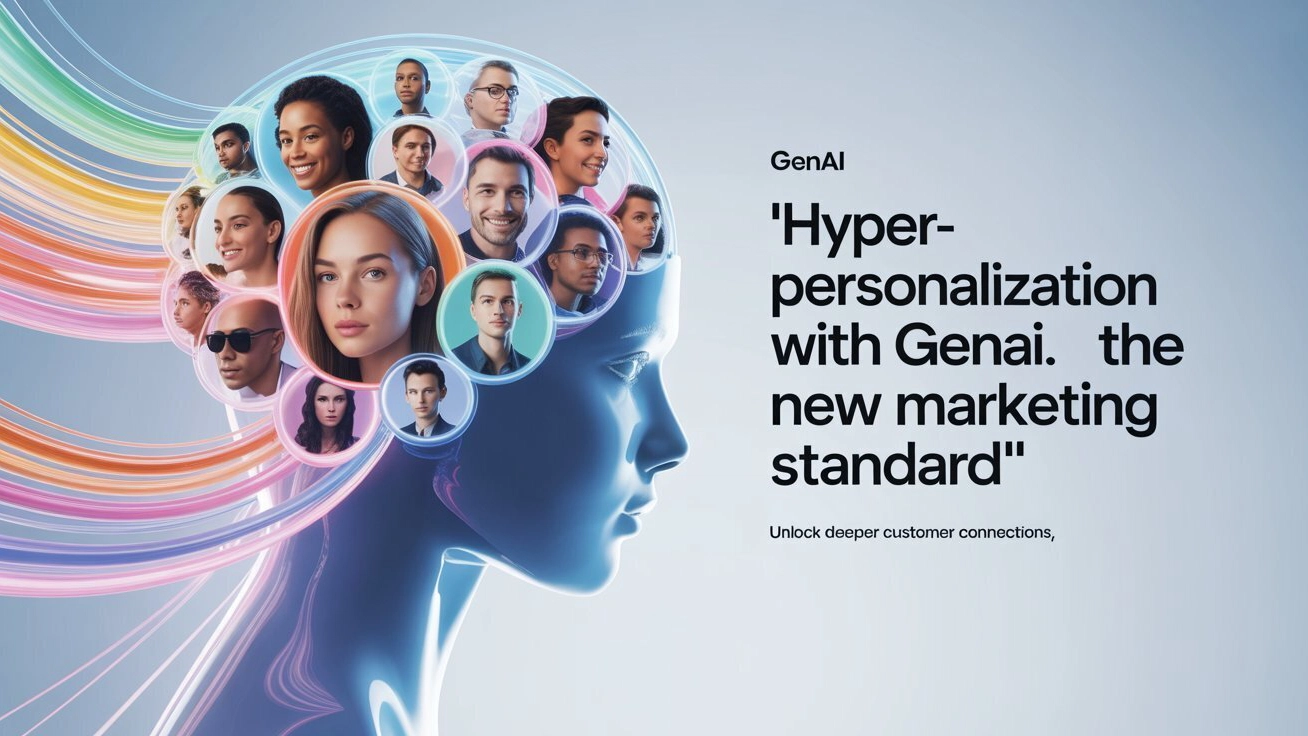
The digital marketplace is undergoing a silent revolution. While fast deliveries and seamless payments transformed online shopping over the last decade, Hyper-Personalization Powered by Generative AI. the next wave of innovation is centered on something even more powerful—hyper-personalization powered by Generative AI.
Today, online stores are no longer static websites displaying the same products to every visitor. Instead, they are becoming intelligent, adaptive environments that change in real time based on individual behavior, preferences, and intent. Hyper-Personalization Powered by Generative AI. From personalized homepages to AI-generated product descriptions and predictive pricing strategies, e-commerce platforms are reshaping how consumers discover and purchase products.
Global marketplaces such as Amazon and Flipkart are investing heavily in predictive commerce models designed to anticipate customer needs—even before users actively search.
This transformation marks the beginning of a new era: commerce that understands you.
What Is Hyper-Personalization?
Personalization in e-commerce is not new. For years, online retailers have recommended products based on browsing history or previous purchases. However, traditional personalization was rule-based and reactive. It relied on fixed algorithms that showed similar items to what a customer had already viewed.
Hyper-personalization goes much further.
It uses:
- Real-time behavioral data
- AI-driven analytics
- Predictive modeling
- Generative AI systems
- Context-aware algorithms
Instead of simply reacting to past actions, hyper-personalized systems anticipate future intent.
In simple terms, your shopping experience becomes unique to you—almost like having a digital sales assistant who knows your preferences, budget, and style.
Generative AI: The Engine Behind the Transformation
Generative AI is the key technology powering this shift. Unlike traditional AI that classifies or predicts based on patterns, generative AI can create new content—text, images, product descriptions, pricing strategies, and even personalized storefront layouts.
In the e-commerce world, this means:
- Dynamic homepage layouts
- AI-written product narratives
- Tailored promotional banners
- Personalized search results
- Smart product bundles
The website you see may look entirely different from what another customer sees—even at the same moment.
1. Real-Time Dynamic Storefronts

One of the most significant applications of generative AI is the creation of real-time dynamic storefronts.
In the past, every user visiting an online store saw the same homepage: identical banners, featured products, and promotional offers. Now, AI systems analyze:
- Location
- Device type
- Browsing behavior
- Purchase history
- Time of day
- Seasonal trends
- Current cart activity
Based on these signals, the homepage adapts instantly.
For example:
- A college student browsing budget electronics sees discounted gadgets.
- A frequent beauty shopper sees skincare launches.
- A parent browsing baby products sees diaper offers and family essentials.
This level of personalization increases engagement and reduces decision fatigue. Customers find relevant products faster, which improves satisfaction and conversion rates.
2. Personalized Pricing Strategies
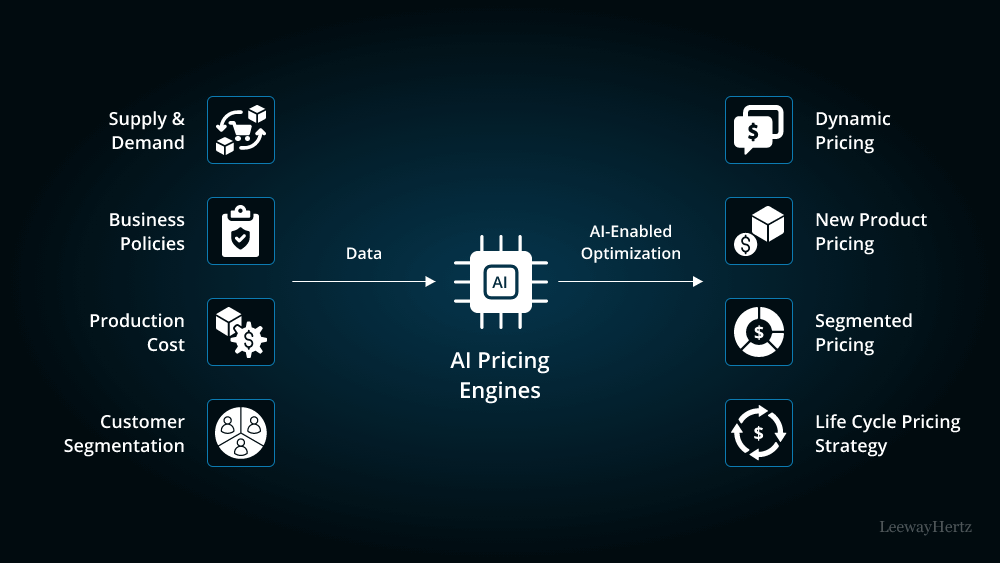
Dynamic pricing is not entirely new. Airlines and ride-sharing platforms have used it for years. However, generative AI is refining pricing strategies in far more nuanced ways.
Hyper-personalized pricing considers:
- Purchase frequency
- Brand loyalty
- Sensitivity to discounts
- Abandoned cart history
- Regional demand patterns
Instead of blanket discounts for everyone, AI can offer targeted incentives:
- Special offers to high-value customers
- Limited-time discounts to price-sensitive buyers
- Loyalty-based rewards
- Personalized coupon codes
This approach maximizes revenue while maintaining customer satisfaction.
However, transparency and ethical considerations are crucial. Consumers expect fairness, and platforms must balance profitability with trust.
3. AI-Generated Product Descriptions
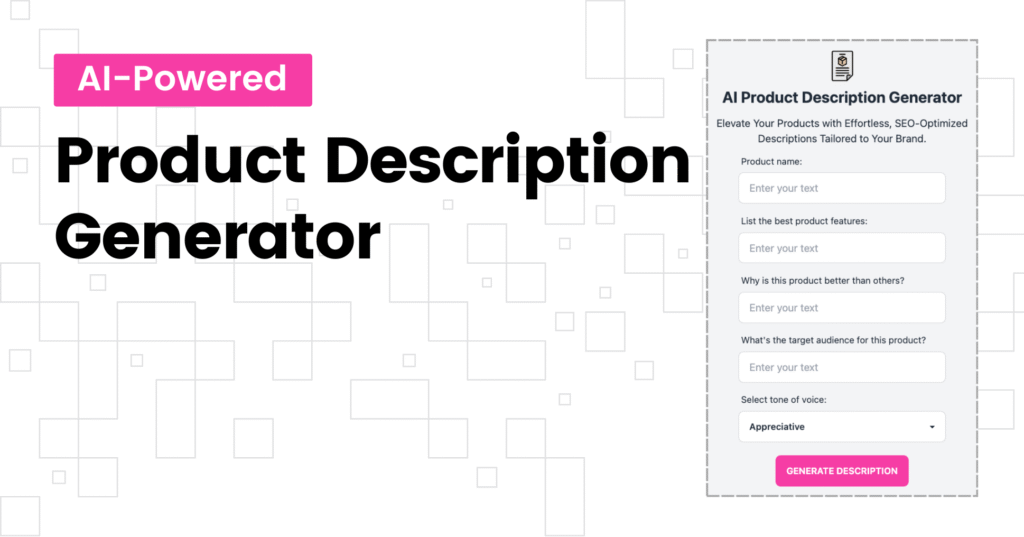
Writing thousands—or millions—of product descriptions manually is inefficient and inconsistent. Generative AI solves this problem by creating tailored descriptions instantly.
But the innovation goes beyond automation.
AI can generate product descriptions that adapt to different customer segments. For example:
- A tech-savvy customer sees detailed specifications.
- A beginner sees simplified explanations.
- A fashion enthusiast sees style-focused narratives.
This contextual content improves clarity and emotional connection.
Additionally, AI can:
- Optimize descriptions for SEO
- Adjust tone for regional audiences
- Translate content into multiple languages
- Highlight features based on browsing behavior
The result is a more engaging and informative shopping experience.
4. Smart Bundling Recommendations
Bundling has always been a powerful sales strategy. But generative AI elevates bundling from generic combos to highly intelligent pairings.
Instead of “Customers also bought,” AI systems now create bundles based on:
- Real-time cart contents
- Seasonal trends
- Individual preferences
- Complementary product compatibility
- Price sensitivity
For example:
- Buying a laptop triggers suggestions for compatible accessories within your budget.
- Adding a skincare serum prompts a curated routine kit.
- Purchasing fitness gear generates a personalized workout essentials bundle.
These smart bundles increase average order value while improving convenience.
Predictive Commerce: Anticipating Demand Before Search
The next frontier in hyper-personalization is predictive commerce.
Companies like Amazon and Flipkart are building AI models that forecast customer needs before explicit searches occur.
Predictive commerce analyzes:
- Seasonal behavior patterns
- Purchase cycles
- Recurring needs
- Local demand trends
- Micro-segmentation data
For example:
- If you regularly buy coffee every month, AI may recommend replenishment before you run out.
- During monsoon season, rain-related products surface automatically.
- Before festivals, curated gifting suggestions appear proactively.
This proactive model reduces friction and makes shopping feel intuitive.
Benefits of Hyper-Personalization
The impact of generative AI-driven personalization extends across the entire ecosystem.
1. Higher Conversion Rates
Relevant product displays reduce browsing time and increase purchases.
2. Improved Customer Retention
When users feel understood, they return more frequently.
3. Increased Average Order Value
Smart bundles and cross-sell strategies boost cart size.
4. Reduced Cart Abandonment
Targeted incentives encourage purchase completion.
5. Enhanced User Experience
Shopping becomes seamless and efficient.
The Psychology Behind Personalized Commerce
Hyper-personalization taps into fundamental psychological triggers:
- Relevance bias (we prefer what feels tailored to us)
- Reduced cognitive load
- Instant gratification
- Social validation (personalized reviews and ratings)
When customers feel that a platform “gets” them, trust increases. Trust leads to loyalty.
Challenges and Ethical Considerations
Despite its advantages, hyper-personalization introduces several challenges.
1. Data Privacy Concerns
Customers are increasingly aware of how their data is used. Platforms must ensure:
- Transparent data policies
- Secure storage systems
- User consent compliance
2. Algorithmic Bias
AI models can unintentionally reinforce biases if trained on flawed datasets.
3. Over-Personalization
Too much personalization may feel intrusive or manipulative.
4. Pricing Fairness
Dynamic pricing must avoid discrimination or unfair targeting.
Balancing personalization with ethics will determine long-term success.
The Technology Stack Behind Hyper-Personalization
To enable real-time personalization at scale, companies rely on:
- Cloud computing infrastructure
- Real-time data pipelines
- Machine learning algorithms
- Natural language generation models
- Customer data platforms (CDPs)
- Advanced recommendation engines
These systems operate in milliseconds, ensuring no delay in user experience.
The Role of Machine Learning and Behavioral Analytics
Machine learning models track:
- Scroll depth
- Click patterns
- Session duration
- Purchase timing
- Device switching behavior
Behavioral analytics allows platforms to refine predictions continuously. The system learns more with every interaction.
This creates a feedback loop where personalization improves over time.
Hyper-Personalization in Emerging Markets
In markets like India, where e-commerce adoption is rapidly expanding, hyper-personalization plays a crucial role in onboarding new users.
Features like:
- Regional language support
- Culturally relevant recommendations
- Festival-based promotions
- Budget-sensitive product suggestions
help platforms connect with diverse audiences.
Companies such as Flipkart are particularly focused on localized personalization strategies to cater to varied demographic segments.
The Future of Generative AI in E-Commerce
The evolution of hyper-personalization is far from complete. Future developments may include:
1. Voice-Based Personalized Shopping
AI assistants recommending products conversationally.
2. Augmented Reality Personalization
Virtual try-ons customized to user preferences.
3. Emotion-Based Recommendations
AI interpreting user sentiment signals.
4. Hyper-Localized Inventory Forecasting
Predicting neighborhood-level demand trends.
5. AI Shopping Companions
Digital agents that manage wishlists, budgets, and reorders.
The integration of generative AI will continue to blur the line between human and machine interaction.
From Search-Based to Intent-Based Commerce
Traditional e-commerce relies on search queries. Hyper-personalization shifts the focus from search-based to intent-based commerce.
Instead of asking, “What are you looking for?” platforms increasingly ask, “What might you need next?”
This subtle shift redefines customer journeys.
GenerativeProducts Inc. – The Future of Digital Commerce: Personalization at Scale
Insights into how generative AI is shaping personalized digital storefronts and shopper experiences. The Future of Digital Commerce: Personalization at Scale – GenerativeProducts Inc.