
Flipkart, the Walmart-owned e-commerce giant preparing for a highly anticipated public listing, is evaluating a bold expansion into India’s fast-growing online food delivery market. According to sources familiar with the development, the company is studying the feasibility of launching food delivery services, beginning with a pilot in Bengaluru around May or June, followed by a broader rollout if the experiment proves successful.
If implemented, the move would mark Flipkart’s formal entry into a $9 billion sector currently dominated by Zomato and Swiggy. The development signals Flipkart’s intent to deepen its footprint in India’s digital consumption ecosystem as it gears up for its IPO.
Why Food Delivery — and Why Now?
India’s food delivery industry has witnessed rapid growth over the past decade, fueled by rising smartphone penetration, affordable data, and changing urban lifestyles. What began as a convenience service in metros has expanded into tier-2 and tier-3 cities, becoming a mainstream habit for millions of consumers.
The market is currently led by Zomato and Swiggy, which together control a substantial share of online food ordering. However, the industry continues to grow, and projections suggest sustained expansion through FY30, supported by increasing disposable income and digital adoption.
For Flipkart, entering this space could unlock several strategic advantages:
- Higher Customer Engagement: Food delivery drives daily or weekly transactions, unlike electronics or fashion purchases, which are less frequent.
- Cross-Selling Opportunities: A food platform could integrate with Flipkart’s existing grocery and quick-commerce operations.
- Strengthened Ecosystem Play: As IPO plans advance, expanding into adjacent verticals may enhance investor appeal.
Timing is also crucial. With the company reportedly preparing for a public listing, demonstrating growth avenues beyond core e-commerce could improve its valuation narrative.
Bengaluru Pilot: Testing the Waters

Sources indicate that Flipkart is considering launching a pilot program in Bengaluru, likely between May and June. Bengaluru offers an ideal testing ground due to its:
- High smartphone penetration
- Tech-savvy population
- Established food delivery ecosystem
- Strong restaurant density
The pilot phase would allow Flipkart to study operational challenges, restaurant partnerships, pricing models, and customer acquisition costs before committing to a nationwide launch.
Entering a market dominated by two entrenched players will not be easy. However, Flipkart has experience building large-scale logistics networks and managing complex supply chains — capabilities that could translate into competitive delivery performance.
Standalone App or ONDC Integration?
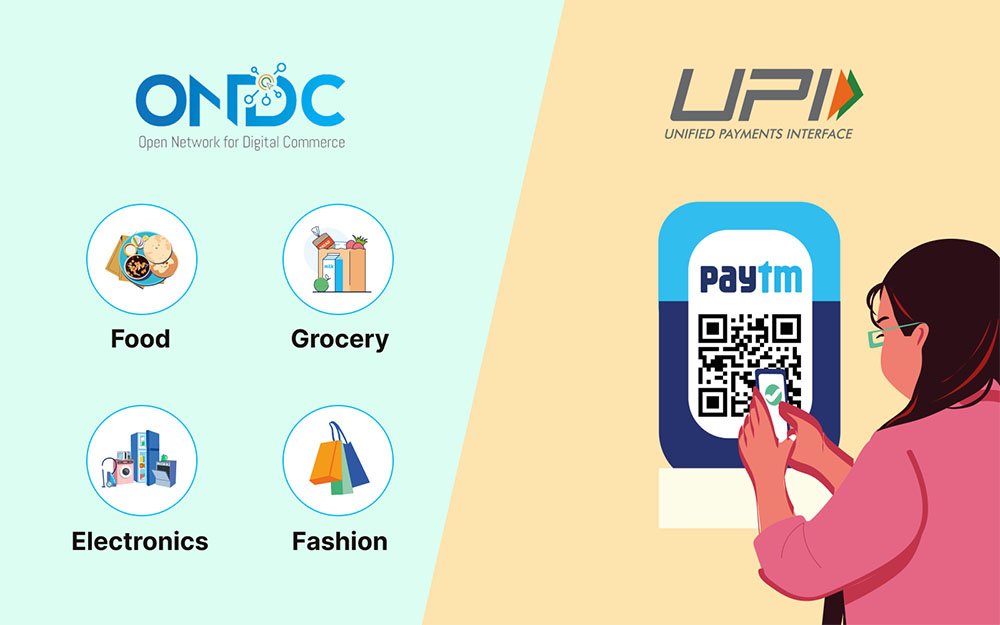
Flipkart is reportedly exploring two potential approaches:
1. Standalone Food Delivery Platform
One option is launching a dedicated app focused exclusively on food ordering. This would allow Flipkart to create a distinct brand identity in the category and tailor user experience specifically for food discovery and ordering.
2. Buyer-Side App on ONDC
Another possibility is leveraging the government-backed Open Network for Digital Commerce (ONDC). Instead of building everything from scratch, Flipkart could develop a buyer-side application that integrates with ONDC’s open network framework.
ONDC aims to decentralize digital commerce by enabling interoperability between buyers and sellers across platforms. If Flipkart opts for this route, it may reduce infrastructure costs while aligning with broader digital policy objectives.
Earlier discussions around ONDC participation reportedly did not progress, but the food delivery push may revive that conversation.
Competitive Landscape: Zomato and Swiggy
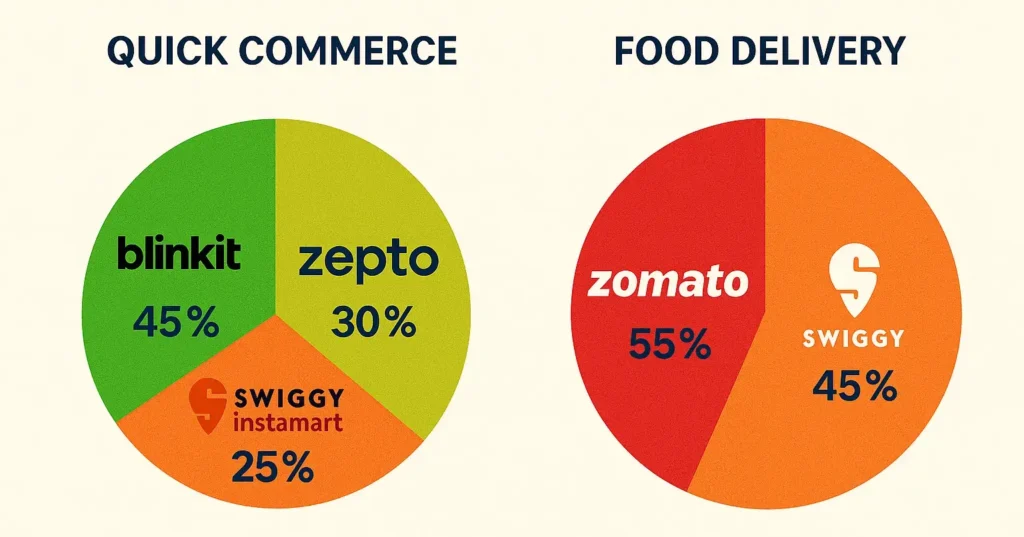
The Indian food delivery sector is largely a duopoly. Zomato and Swiggy have built extensive restaurant partnerships, last-mile delivery fleets, and brand recognition over years of investment.
Key strengths of incumbents include:
- Established logistics infrastructure
- Strong brand loyalty
- Deep discounting strategies
- Subscription programs offering free delivery
- Data-driven personalization
For Flipkart, competing will require differentiation. Potential strategies could include:
- Lower commission rates for restaurants
- Competitive delivery fees
- Bundled membership benefits
- Integration with Flipkart SuperCoins or loyalty programs
Given Flipkart’s scale in e-commerce and payments, it may also leverage existing user data to accelerate customer acquisition.
Lessons from Earlier Attempts
This is not the first time Flipkart has considered entering adjacent service categories. Over the years, the company has explored vertical expansions, though not all have materialized.
Food delivery, in particular, is operationally complex. It requires:
- Hyperlocal logistics coordination
- Restaurant onboarding and quality monitoring
- Real-time order tracking
- Managing delivery partner networks
Margins in the sector remain thin, and profitability has historically been a challenge. Even leading players have faced investor scrutiny over cash burn and discount-driven growth.
Flipkart’s decision to revisit this opportunity suggests confidence that it can leverage operational efficiencies or ecosystem synergies to build a sustainable model.
IPO Implications

Flipkart’s potential expansion comes as it prepares for an initial public offering. Investors evaluating IPO-bound companies typically look for:
- Strong revenue growth
- Diversified income streams
- High customer retention
- Market expansion strategies
Entering food delivery could position Flipkart as a broader digital commerce platform rather than a pure-play e-commerce retailer.
Walmart’s backing adds another layer of strategic depth. As a global retail giant, Walmart has extensive experience in supply chain optimization, which may help Flipkart manage costs effectively.
However, investors may also scrutinize whether diversification could dilute focus from core profitability goals.
The $9 Billion Opportunity

India’s online food delivery market is estimated at approximately $9 billion and is projected to grow significantly through FY30.
Growth drivers include:
- Urbanization
- Expanding middle class
- Increased workforce participation
- Growing acceptance of app-based services
- Tier-2 and tier-3 city penetration
Moreover, the rise of quick commerce and hyperlocal delivery has conditioned consumers to expect rapid fulfillment — a behavioral shift that benefits food delivery platforms.
If Flipkart captures even a modest share of the market, it could add a meaningful revenue stream.
Restaurant Economics and Commission Debate
One recurring issue in food delivery is the commission structure charged to restaurants. Many restaurant owners have raised concerns about high platform fees impacting profitability.
Flipkart may attempt to differentiate by offering:
- Lower commissions
- Transparent pricing structures
- Flexible partnership models
If structured effectively, this approach could attract restaurant partners seeking alternatives to existing platforms.
However, lowering commissions would require balancing profitability elsewhere, possibly through subscription models or premium placement fees.
Technology and Data Advantage
Flipkart’s strength lies in its technological backbone. Years of operating a high-volume e-commerce platform have equipped the company with expertise in:
- Data analytics
- Recommendation engines
- Fraud prevention
- Payment integration
- Logistics optimization
Applying these capabilities to food delivery could enhance customer experience through personalized restaurant suggestions, dynamic pricing, and predictive delivery timing.
Integration with Flipkart’s digital wallet or loyalty ecosystem may further improve stickiness.
Flipkart Official Website – homepage of the company reporting its services (useful as the company’s primary source): https://www.flipkart.com/