
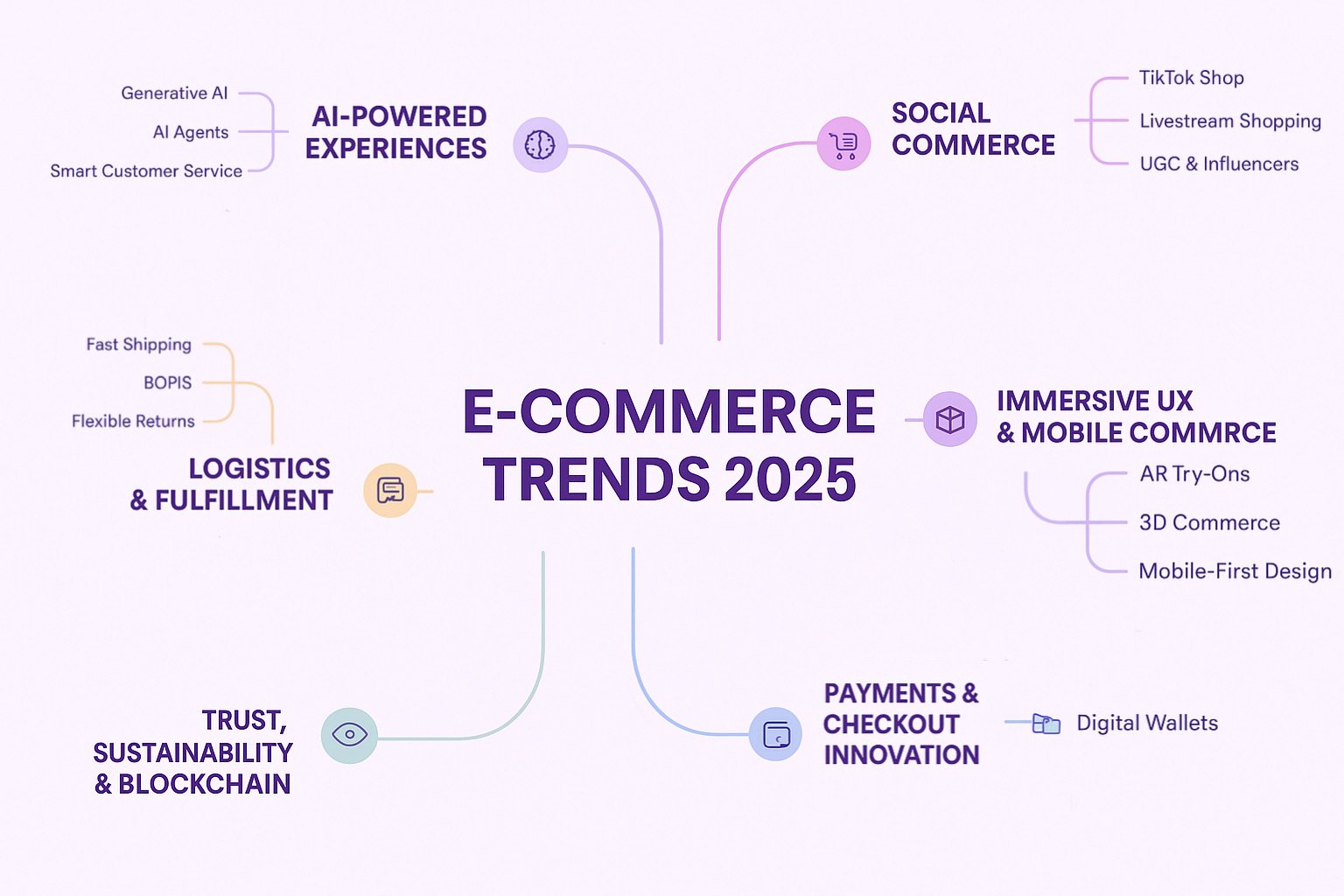
Ecommerce has entered a decisive phase of transformation. What began as a convenient alternative to physical retail has evolved into a complex, technology-driven ecosystem influencing how people discover, evaluate, and purchase products. In 2026, ecommerce is no longer just about online transactions—it is about intelligence, speed, personalization, and trust.
Consumers today expect seamless experiences across devices, instant delivery options, and highly relevant product recommendations. At the same time, businesses are navigating rising competition, evolving regulations, and increasing pressure to operate sustainably. This convergence of technology, consumer behavior, and global connectivity is reshaping ecommerce at an unprecedented pace.
This article explores the most important ecommerce trends defining 2026 and explains how businesses can adapt to thrive in the next phase of digital commerce.
The New Ecommerce Reality in 2026
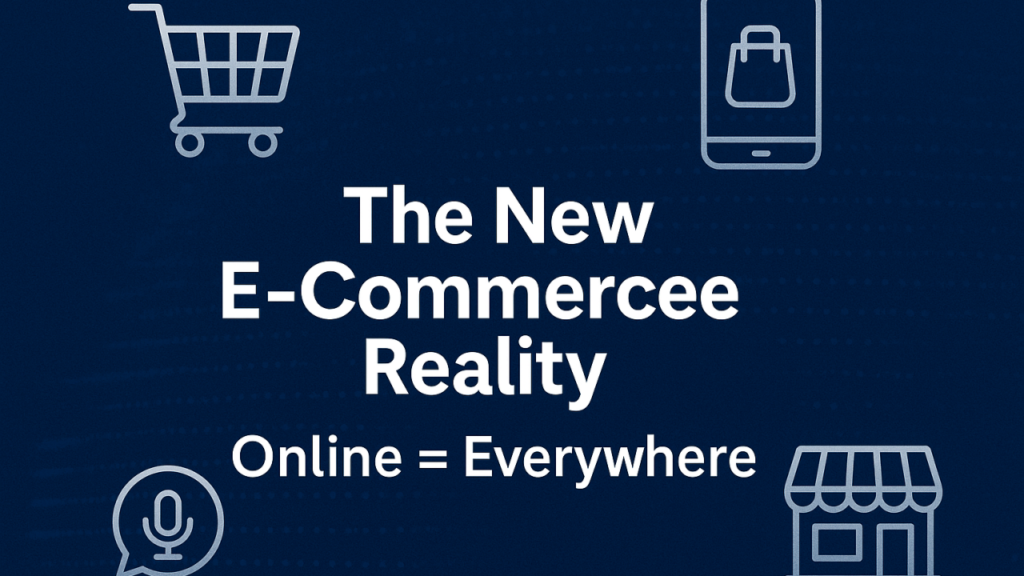
The ecommerce landscape of 2026 looks significantly different from just a few years ago. Online shopping is no longer limited to websites and apps. It now exists across social platforms, messaging apps, voice assistants, and AI-powered shopping tools.
Customers move fluidly between platforms, expecting consistent experiences at every touchpoint. They may discover a product on social media, research it through AI assistants, compare prices via marketplaces, and complete the purchase using digital wallets—all within minutes.
This shift has made ecommerce more integrated, more intelligent, and more customer-centric than ever before.
Artificial Intelligence as the Core of Ecommerce Operations
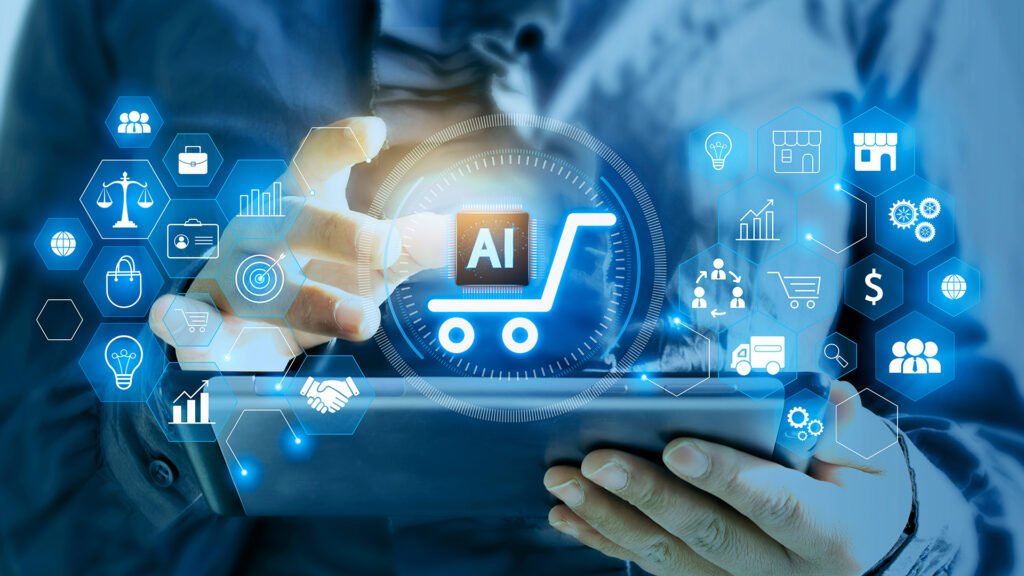
Artificial intelligence is no longer an optional enhancement for ecommerce businesses—it has become foundational. In 2026, AI drives nearly every aspect of the online retail experience.
Personalized Shopping Experiences
AI analyzes vast amounts of customer data, including browsing behavior, purchase history, preferences, and engagement patterns. This allows ecommerce platforms to deliver highly personalized experiences, such as:
- Customized product recommendations
- Personalized homepages and search results
- Dynamic pricing based on demand and customer behavior
- Tailored email and push notification campaigns
Customers now expect brands to “understand” their needs instantly. Generic shopping experiences often lead to abandoned carts and lost loyalty.
Smarter Inventory and Demand Forecasting
AI-powered demand forecasting enables businesses to predict purchasing trends with greater accuracy. This helps reduce overstocking, prevent shortages, and optimize supply chains. In 2026, ecommerce success depends heavily on how efficiently companies manage inventory using predictive analytics.
Rise of AI Shopping Assistants and Autonomous Commerce

One of the most disruptive ecommerce trends in 2026 is the emergence of AI shopping assistants capable of acting on behalf of consumers. These assistants can:
- Search for products across multiple platforms
- Compare prices, features, and reviews
- Track discounts and availability
- Complete purchases automatically based on user preferences
This shift toward autonomous commerce is changing how businesses compete. Instead of marketing solely to human shoppers, brands must now optimize product listings and pricing for AI-driven decision-making systems.
Trust, transparency, and data accuracy play a critical role in influencing AI purchasing choices.
Social Commerce Becomes a Primary Sales Channel

Social media has transformed from a marketing tool into a full-scale ecommerce channel. In 2026, social commerce is a major driver of online sales, especially among younger consumers.
Shopping Without Leaving Social Platforms
Social platforms now allow users to browse products, watch demonstrations, read reviews, and complete purchases without leaving the app. Live shopping events, short videos, and influencer collaborations are shaping buying decisions in real time.
This frictionless experience reduces the gap between discovery and purchase, increasing conversion rates and impulse buying.
Community-Driven Purchasing
Consumers trust peer recommendations and creator-led content more than traditional advertisements. Brands that build engaged communities and collaborate with authentic creators are seeing stronger customer loyalty and higher lifetime value.
The Growing Influence of Quick Commerce and Same-Day Delivery

Speed has become one of the most powerful differentiators in ecommerce. In 2026, customers increasingly expect fast or even instant delivery, especially for everyday essentials.
Quick Commerce Redefines Convenience
Quick commerce focuses on delivering products within minutes or hours rather than days. This model is particularly popular for groceries, medicines, and daily-use items. It has raised consumer expectations across all ecommerce categories.
Traditional ecommerce players are now under pressure to improve logistics, partner with local fulfillment centers, or adopt hybrid delivery models to remain competitive.
Logistics as a Competitive Advantage
Efficient warehousing, real-time tracking, and optimized last-mile delivery are critical for customer satisfaction. Businesses that invest in logistics innovation are gaining a strong edge in crowded markets.
Mobile-First and Voice-Based Shopping Experiences

Mobile devices continue to dominate ecommerce traffic in 2026. However, shopping behavior is evolving beyond traditional mobile apps.
Mobile-First Design Is Non-Negotiable
Consumers expect fast-loading, intuitive, and secure mobile experiences. Poor mobile optimization leads to high bounce rates and lost sales. Ecommerce platforms are prioritizing:
- Simplified checkout processes
- One-click payments
- Digital wallets and biometric authentication
Voice Commerce Gains Momentum
Voice-enabled shopping through smart assistants is becoming more common, especially for repeat purchases and basic product searches. Ecommerce platforms are adapting their content and product data to support voice-based discovery.
Expansion of Ecommerce in Emerging Markets
Ecommerce growth in 2026 is being driven largely by emerging markets. Increased internet access, affordable smartphones, and digital payment adoption are bringing millions of new consumers online.
Regional Language and Localization
To attract new users, ecommerce platforms are offering content in regional languages, localized customer support, and culturally relevant marketing. This localization strategy is essential for expanding reach and building trust among first-time online shoppers.
Affordable and Flexible Payment Options
Buy Now, Pay Later (BNPL), digital wallets, and UPI-style instant payments are becoming standard. Flexible payment solutions reduce barriers to entry and encourage higher order values.
Cross-Border Ecommerce and Global Market Access
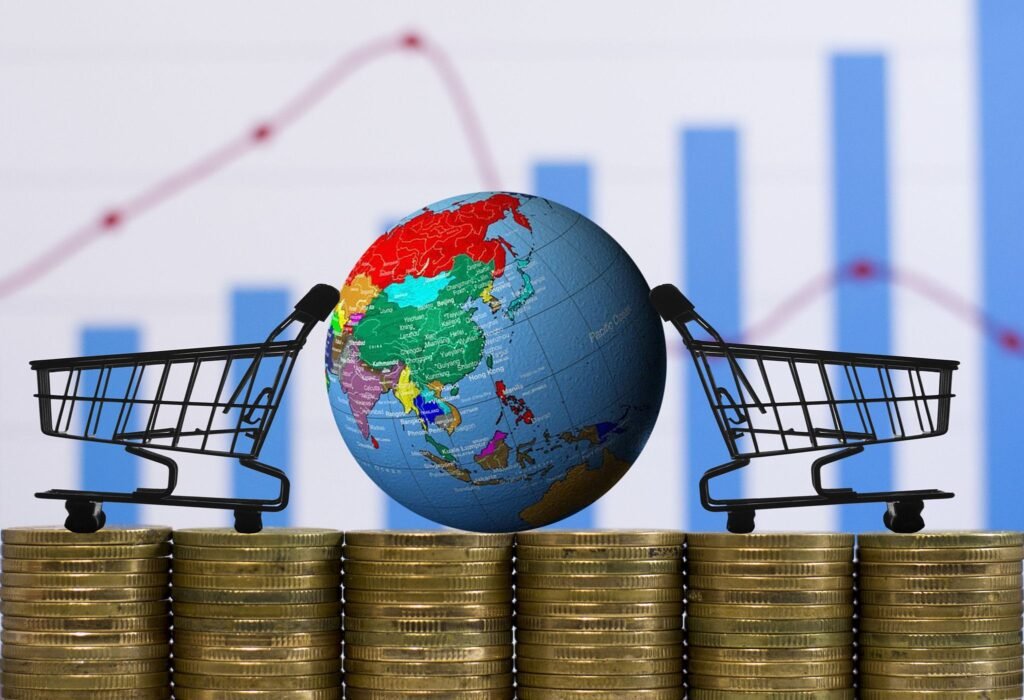
Cross-border ecommerce continues to grow as businesses seek new revenue streams beyond domestic markets. Improved logistics, international payment systems, and global marketplaces are making it easier for sellers to reach customers worldwide.
However, success in cross-border ecommerce requires careful attention to:
- Local regulations and taxes
- Shipping costs and delivery timelines
- Cultural preferences and customer expectations
Brands that balance global scalability with local relevance are better positioned for sustainable growth.
Sustainability and Ethical Ecommerce Practices
Sustainability has become a defining factor in consumer decision-making. In 2026, shoppers are more conscious of environmental impact, ethical sourcing, and corporate responsibility.
Eco-Friendly Operations
Consumers increasingly prefer brands that use sustainable packaging, reduce waste, and minimize carbon emissions. Transparency around sustainability initiatives builds trust and brand loyalty.
Ethical Supply Chains
Fair labor practices, responsible sourcing, and ethical manufacturing are no longer optional. Ecommerce brands that fail to address these concerns risk reputational damage and customer loss.
Subscription-Based Ecommerce and Customer Retention
Subscription models are gaining popularity across various ecommerce sectors, including beauty, wellness, fashion, and food.
Predictable Revenue and Convenience
Subscriptions offer customers convenience while providing businesses with predictable recurring revenue. They also allow brands to collect valuable data on customer preferences and usage patterns.
Loyalty Programs and Memberships
Loyalty programs are evolving beyond discounts. Exclusive access, early product launches, and personalized rewards are being used to deepen customer relationships and increase lifetime value.
Data Privacy, Security, and Consumer Trust
As ecommerce platforms collect more data, concerns around privacy and security are growing. In 2026, consumers are more aware of how their data is used and expect transparency.
Businesses must prioritize:
- Secure payment systems
- Clear data usage policies
- Compliance with evolving data protection regulations
Trust is a critical currency in ecommerce. Brands that respect customer privacy are more likely to retain loyal users.
The Role of Automation and Smart Operations
Automation is helping ecommerce businesses operate more efficiently and scale faster. From automated order processing to AI-powered customer support, operational efficiency is a major competitive advantage.
Chatbots and virtual assistants now handle a significant share of customer interactions, providing instant support and reducing response times.
Challenges Facing Ecommerce Businesses in 2026
Despite rapid growth, ecommerce businesses face several challenges:
- Rising customer acquisition costs
- Increased competition from global and local players
- Logistics and supply chain disruptions
- Regulatory compliance and taxation complexities
Addressing these challenges requires agility, innovation, and a strong customer-centric approach.
The Future of Ecommerce: What Lies Ahead
Looking beyond 2026, ecommerce is expected to become even more immersive and intelligent. Technologies such as augmented reality, virtual shopping environments, and advanced AI personalization will further blur the line between physical and digital retail.
Brands that invest in technology, sustainability, and trust today will be best positioned to lead tomorrow’s ecommerce ecosystem.
Ecommerce & Digital Strategy Insights
https://www.mckinsey.com/capabilities/growth-marketing-and-sales/our-insights