
Ecommerce has emerged as one of the most influential forces reshaping how the world buys, sells, and conducts business. What started as a simple method for placing orders online has grown into a trillion-dollar global engine, transforming retail, manufacturing, services, and even government operations.
Today, ecommerce is no longer optional—it is a core business channel and a key growth strategy. For many brands, it is the primary way to reach, engage, and serve customers. As digital adoption accelerates worldwide, ecommerce continues powering modern business growth by expanding market reach, enhancing convenience, and unlocking new opportunities at scale.
Key Highlights of Ecommerce
Ecommerce refers to the buying and selling of products or services through the internet using digital platforms, websites, and online marketplaces. It allows businesses of all sizes to connect with customers worldwide, eliminating many of the costs and limitations associated with physical storefronts.
Modern ecommerce ecosystems go far beyond simple online sales. They support product management, pricing, secure payments, logistics, customer engagement, and data-driven analytics—all within a single digital framework. As online shopping adoption continues to accelerate, ecommerce stands as a foundational pillar of modern retail and long-term business expansion.
More importantly, ecommerce is not just changing how products are sold—it is powering modern business growth by rewriting the rules of global commerce itself.
The Global Rise of Ecommerce
Ecommerce, short for electronic commerce, is the process of conducting commercial transactions online. It involves buying and selling goods, services, and digital products through websites, mobile apps, social media platforms, and online marketplaces.
Ecommerce transactions take place across multiple models, including business-to-consumer (B2C), business-to-business (B2B), consumer-to-consumer (C2C), consumer-to-business (C2B), business-to-government (B2G), and consumer-to-government (C2G). This flexibility allows digital commerce to serve nearly every segment of the global economy.
For businesses, ecommerce: powering modern business growth means global reach, lower operational costs, real-time customer insights, and the ability to scale rapidly. By removing geographic barriers and enabling seamless digital interactions, ecommerce continues to redefine how organizations grow, compete, and succeed in the modern marketplace.
What Is Ecommerce?
Ecommerce, short for electronic commerce, is the process of conducting commercial transactions online. It includes the buying and selling of goods, services, and digital products through websites, mobile apps, social media platforms, and online marketplaces.
Ecommerce transactions take place across multiple models, including business-to-consumer (B2C), business-to-business (B2B), consumer-to-consumer (C2C), consumer-to-business (C2B), business-to-government (B2G), and consumer-to-government (C2G). This diversity allows ecommerce to support nearly every form of modern trade.
For businesses, ecommerce: powering modern business growth means global reach, continuous availability, and highly scalable operations. For consumers, it delivers unmatched convenience, wider product choices, competitive pricing, and seamless digital experiences—making ecommerce a central force in today’s global economy.
Types of Ecommerce Business Models
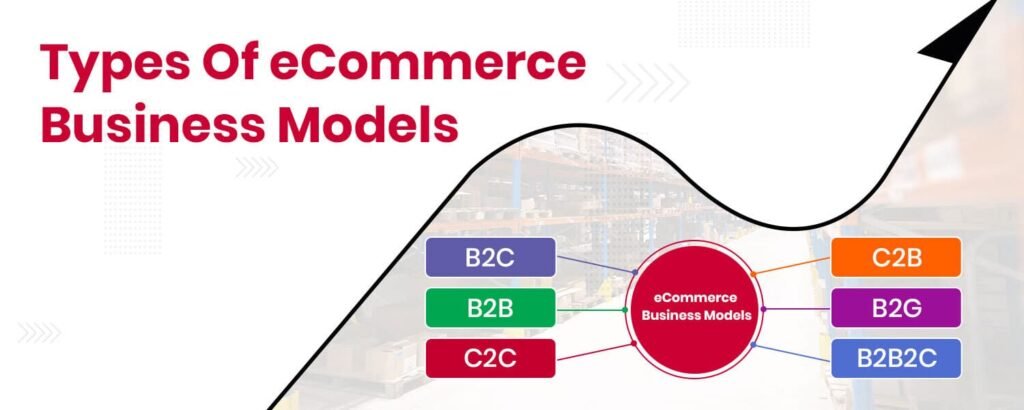
Ecommerce can be categorized into several business models, each serving different audiences and transaction types.
Business-to-Consumer (B2C)
B2C is the most familiar ecommerce model, where businesses sell directly to individual consumers. Examples include online clothing stores, electronics retailers, and beauty brands.
Major B2C brands include Walmart, Target, and Sephora. This model focuses heavily on user experience, branding, and customer retention.
Business-to-Business (B2B)
B2B ecommerce involves transactions between companies, such as manufacturers selling to wholesalers or SaaS companies selling software to enterprises.
Unlike B2C, B2B platforms prioritize bulk pricing, account-based purchasing, custom catalogs, and long-term contracts. Companies like Microsoft, HubSpot, and Slack operate within this model.
Consumer-to-Consumer (C2C)
C2C ecommerce allows individuals to buy and sell directly to one another through third-party platforms. Marketplaces like eBay, Facebook Marketplace, and Craigslist facilitate these transactions.
These platforms often manage listings, payments, and sometimes shipping, enabling peer-to-peer commerce at scale.
Direct-to-Consumer (DTC)
DTC brands sell directly to end customers without relying on retailers or distributors. This approach gives brands complete control over pricing, branding, and customer relationships.
Popular examples include subscription services, digital product creators, and online-first brands like Dollar Shave Club.
Consumer-to-Business (C2B)
In the C2B model, individuals offer products or services to businesses. Examples include freelancers, photographers selling stock images, or influencers collaborating with brands.
This model has grown rapidly with the rise of the creator economy and digital marketplaces.
Business-to-Government (B2G)
B2G ecommerce involves private companies selling products or services to government agencies through digital platforms. These may include software solutions, infrastructure services, or compliance tools.
B2G transactions often involve strict regulations and longer procurement cycles.
Consumer-to-Government (C2G)
C2G ecommerce enables individuals to interact with government services online, such as paying taxes, utility bills, or submitting applications through digital portals.
These platforms simplify administrative processes and improve accessibility for citizens.
Ecommerce Business Sizes
Ecommerce businesses come in many forms, from startups to global enterprises.
Enterprise Ecommerce
Enterprise businesses operate at massive scale, often across multiple regions and customer segments. They require high-performance platforms capable of handling complex integrations and large volumes of data.
Brands like Mizuno USA rely on modern ecommerce solutions to move away from rigid legacy systems and enable faster innovation.
Mid-Market Businesses
Mid-market companies sit between small businesses and enterprises. They focus on scalable growth, operational efficiency, and personalization.
Chair King Backyard Store is an example of a mid-market brand using ecommerce to deliver customized checkout experiences and localized selling.
Small Businesses
Small ecommerce businesses often operate with lean teams and limited budgets but benefit greatly from digital reach.
Ecommerce allows small brands to compete globally without physical stores. Platforms like BigCommerce provide affordable, scalable tools to support this growth.
Startups
Startups prioritize speed, flexibility, and cost efficiency. Choosing the right ecommerce platform early can set the foundation for long-term success.
Brands like Molly Mutt demonstrate how startups can grow rapidly using customizable yet reliable ecommerce solutions.
The Growth of Ecommerce Over Time
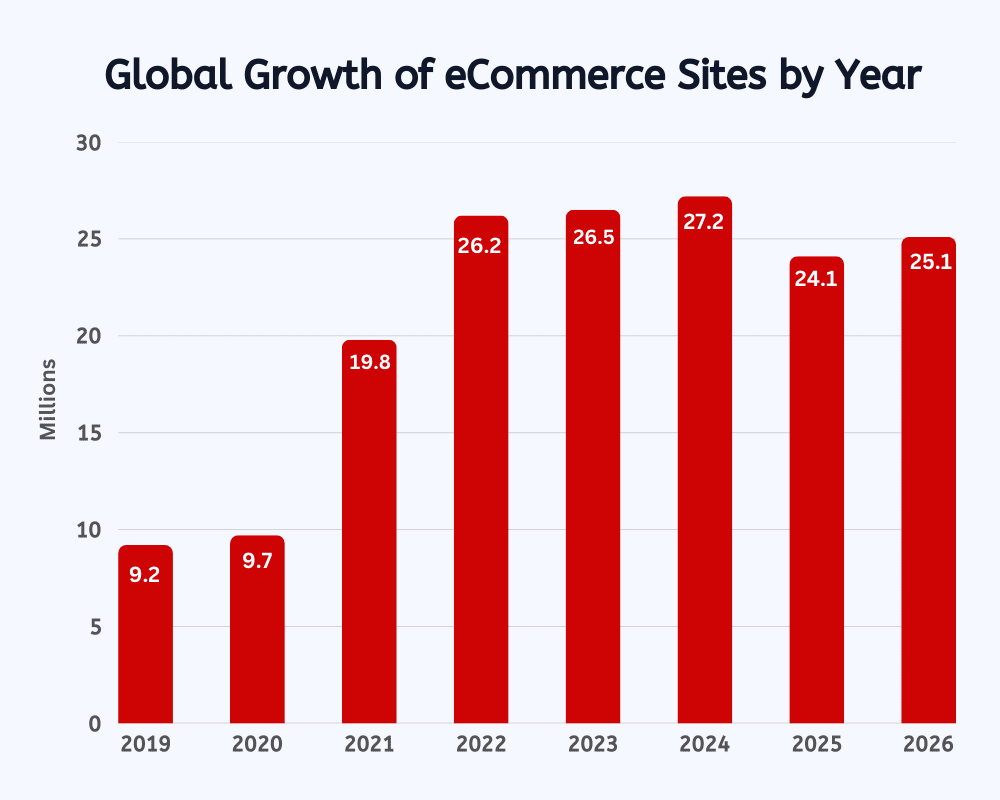
Ecommerce has evolved from early digital experiments like CompuServe in 1969 into a core pillar of the global digital economy. Advances in technology, combined with the widespread adoption of smartphones and high-speed internet, have fueled unprecedented growth—allowing consumers to shop anytime, anywhere.
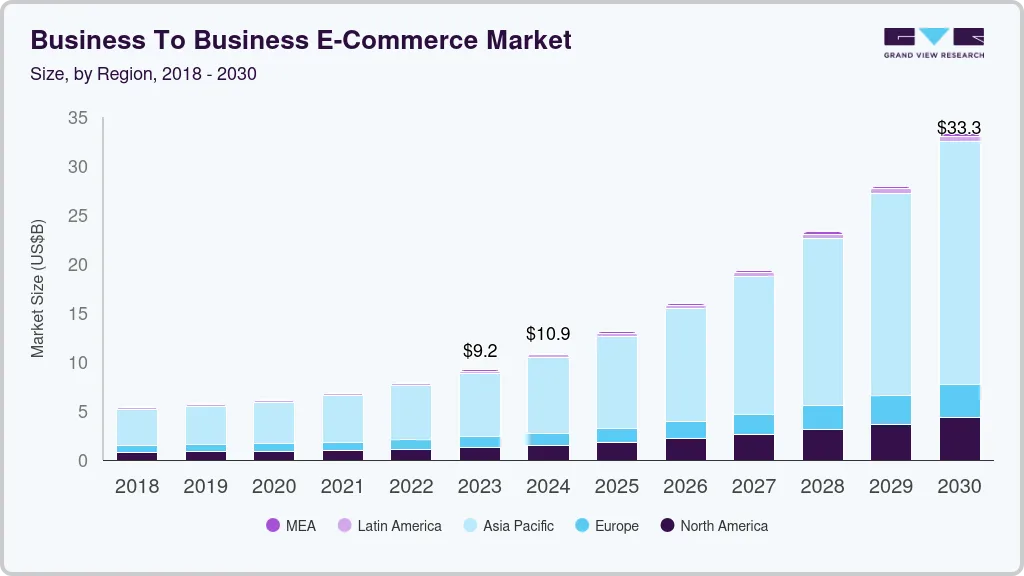
Key milestones highlight this transformation: U.S. ecommerce sales have grown from $27.6 billion in 2000 to nearly $1.2 trillion in 2024, global B2B ecommerce reached $19.34 trillion in 2024, and by 2025, more than 5.56 billion people worldwide are connected to the internet.
Today, ecommerce: powering modern business growth spans industries, borders, and business models. Its ability to scale globally, adapt quickly, and meet evolving consumer demands makes ecommerce essential to modern commerce and the future of business.
Ecommerce Trends to Watch in 2026
The ecommerce landscape continues to evolve rapidly. Key trends shaping the future include:
- AI automation driving personalization, content creation, and predictive insights
- Augmented reality (AR) enabling immersive product experiences
- Blockchain adoption enhancing security, transparency, and payments
- Mobile commerce dominance, with mobile sales expected to exceed 60%
- Composable and headless commerce for faster innovation
- Advanced B2B self-service experiences
Staying ahead of these trends is critical for long-term competitiveness.
Technology Behind Ecommerce
A successful ecommerce operation relies on a strong technology stack.
Ecommerce Platforms
The ecommerce platform powers storefronts, checkout, inventory, and marketing. Popular platforms include BigCommerce, Shopify, and WooCommerce.
Choosing the right platform depends on business size, complexity, and growth plans.
Payment Gateways
Secure payment gateways enable online transactions. Offering multiple payment options — including digital wallets and BNPL services — reduces cart abandonment and boosts conversion.
Shipping and Fulfillment
Efficient shipping ensures timely and accurate order delivery. Customers expect transparency, speed, and real-time updates.
Data and Analytics
Analytics tools help businesses track performance, understand customer behavior, and optimize pricing, inventory, and marketing strategies.
POS Systems
Modern POS systems unify online and offline sales, enabling omnichannel experiences like in-store pickup and unified inventory.
ERP, PIM, and Inventory Systems
ERP systems connect finance, logistics, and operations. PIM systems manage product data consistency, while inventory tools prevent overselling and stockouts.
Marketing and CRM Integrations
Marketing automation and CRM systems enable personalized engagement, retention campaigns, and improved customer service.
Benefits of Ecommerce
Ecommerce offers numerous advantages:
- Expanded customer reach
- Lower startup and operating costs
- Scalable operations
- Data-driven decision-making
- Global selling opportunities
- Personalized shopping experiences
- Multichannel sales flexibility
These benefits make ecommerce an essential growth channel for businesses of all sizes.
Challenges of Ecommerce
Despite its advantages, ecommerce comes with challenges:
- Integrating complex tech stacks
- Managing returns and customer support
- Maintaining consistency across channels
- Rising competition
- Shipping and fulfillment complexity
- Data security and compliance
- Meeting growing customer expectations
- Handling technical issues and downtime
Overcoming these challenges requires the right tools, strategy, and infrastructure.
Common Mistakes New Ecommerce Sellers Make
New sellers often face avoidable pitfalls, such as:
- Skipping market research
- Choosing the wrong platform
- Ignoring mobile optimization
- Underestimating fulfillment logistics
- Overcomplicating technology early on
Starting lean and scaling smart helps avoid costly mistakes.
Steps to Launching an Ecommerce Business
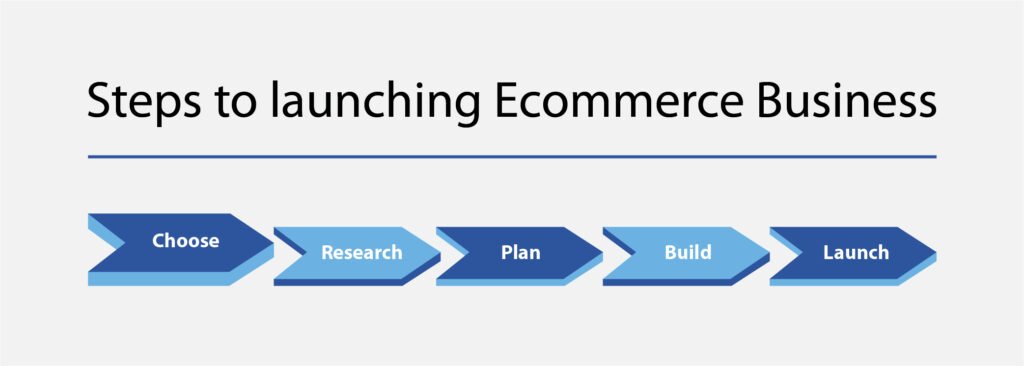
Launching an ecommerce business involves:
- Defining your niche and audience
- Selecting the right ecommerce platform
- Building and branding your storefront
- Setting up payments, shipping, and inventory
- Launching and marketing your store
With proper planning, businesses can launch confidently and scale faster.
How Big Commerce Supports Ecommerce Growth
Big Commerce is designed to help brands grow smarter, not just bigger.
It offers:
- Conversion-optimized checkout
- Flexible APIs and integrations
- Enterprise-grade security and performance
- Customizable storefronts
- Composable architecture with Catalyst (Next.js)
From startups to global enterprises, Big Commerce empowers brands to innovate, scale, and deliver exceptional shopping experiences.
For more A detailed explanation of ecommerce fundamentals, trends, and supporting technologies. Ecommerce overview & evolution (BigCommerce)