
In ecommerce, attention is expensive — and fleeting. Every click you earn is a small victory, but the real challenge begins after that click happens. Shoppers arrive with intent, expectations, and very little patience. If your page doesn’t instantly show them they’re in the right place, they’ll disappear just as quickly as they arrived.
That’s where ecommerce landing pages come in.
Unlike homepages or traditional product pages, landing pages are designed with ruthless focus. They remove distractions, sharpen messaging, and guide visitors toward one clear action. When done right, they don’t feel pushy or sales-heavy — they feel helpful, relevant, and effortless.
As advertising costs rise and competition intensifies, brands can no longer afford wasted traffic. Every visit must count. Ecommerce landing pages bridge the gap between interest and action, turning clicks into customers and curiosity into conversions.
Let’s break down what ecommerce landing pages are, why they matter, how they differ from other pages, and how to build high-converting pages that work across the entire sales funnel.
What Is an Ecommerce Landing Page?
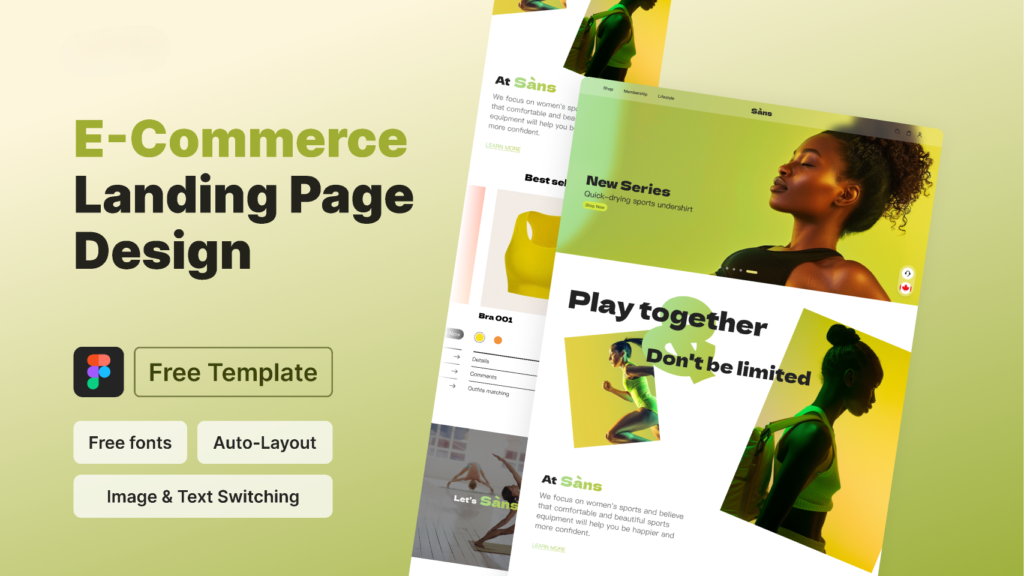
An ecommerce landing page is a standalone web page created specifically for a marketing campaign. It’s the page a visitor “lands” on after clicking an ad, email link, or promotional message.
Unlike other pages on your site, an ecommerce landing page is built around one objective — usually driving a purchase, but sometimes capturing leads, encouraging signups, or pushing repeat engagement.
Every element on the page supports that single goal:
- A headline that matches the visitor’s intent
- Clear, benefit-driven messaging
- High-quality visuals
- Social proof like reviews or testimonials
- A single, unmistakable call to action (CTA)
The page is intentionally focused, personalized to a specific audience, and designed to move shoppers forward without friction.
Why Landing Pages Matter More Than Ever
Online shoppers are goal-oriented. They click because they expect relevance — immediately. When that expectation isn’t met, bounce rates soar.
Today’s ecommerce landscape makes landing pages more critical than ever for several reasons:
1. Attention Spans Are Short
Visitors decide in seconds whether to stay or leave. A landing page that clearly reflects their intent keeps them engaged long enough to convert.
2. Advertising Costs Are Rising
With higher CPCs across platforms, sending paid traffic to unfocused pages is expensive. Landing pages ensure you get maximum value from every click.
3. Shoppers Expect Personalization
Generic messaging no longer works. Targeted landing pages make shoppers feel understood and guide them toward relevant actions faster.
4. Clarity Builds Trust
Clear messaging, social proof, and simple layouts reduce hesitation and make purchasing feel safe and easy.
When landing pages are crafted with intention, they don’t interrupt the shopping experience — they enhance it.
Landing Pages vs. Product Pages: What’s the Difference?
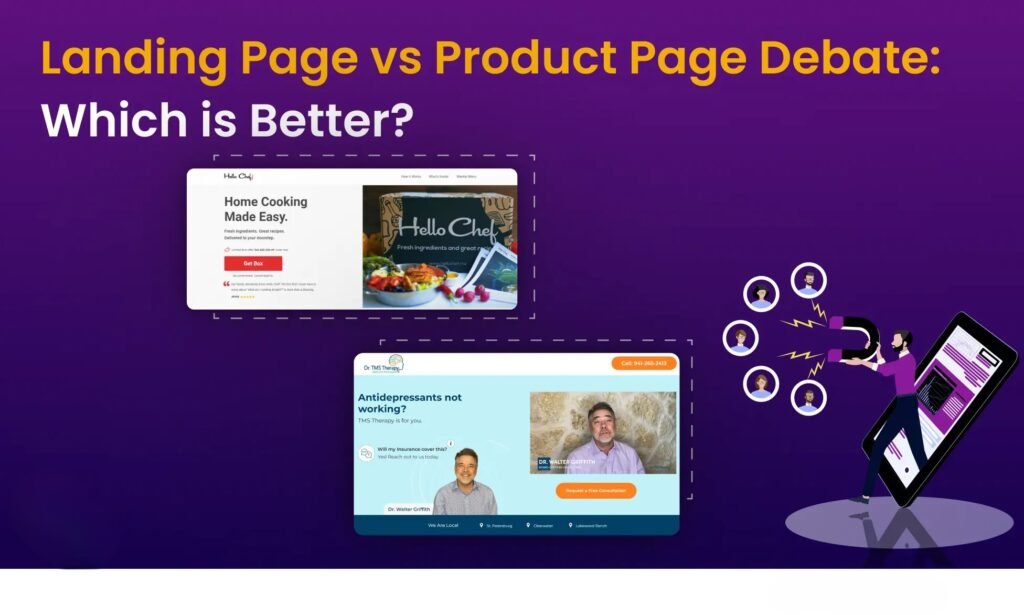
While both are essential, landing pages and product pages serve very different purposes.
Ecommerce Landing Pages:
- Designed for conversion
- Feature one primary CTA
- Remove navigation menus and distractions
- Tailored to specific campaigns and audiences
- Optimized for paid traffic, not SEO
- Focused messaging around a single idea or offer
Product Pages:
- Designed for information and discovery
- May include multiple CTAs
- Feature site navigation and category links
- Written for a broad audience
- Optimized for organic search
- Encourage exploration and comparison
Why This Matters
Industry benchmarks show that nearly half of ecommerce visitors leave after viewing just one page. Often, it’s because they land on pages that don’t match their intent.
Landing pages eliminate that disconnect. They deliver exactly what the visitor expects, making the path to conversion fast and friction-free.
Why Ecommerce Landing Pages Drive Better Results

Landing pages play a critical role in the sales funnel and deliver value far beyond a single conversion.
1. Higher ROI on Paid Traffic
Paid visitors arrive with expectations. Landing pages ensure those expectations are met instantly.
For example:
- An ad for “Winter Jackets” should land on a page featuring winter jackets — not a homepage.
- Clear alignment between ad copy and landing page content reduces bounce rates and improves ROI.
2. Built for Testing and Optimization
Landing pages are perfect for experimentation:
- A/B test headlines, images, CTAs, and offers
- Learn what resonates with specific audiences
- Apply insights across ads, emails, and social campaigns
Because landing pages are campaign-specific, results are easier to measure and act on.
3. Better Audience Targeting
Different shoppers need different messages. Landing pages allow you to:
- Personalize messaging by segment
- Adjust visuals, tone, and offers
- Match buyer intent at every stage of the funnel
4. Easier Than Ever to Build
Modern landing page builders and templates make it easy to create multiple pages quickly. The payoff is significant — studies show that having 10–15 landing pages can increase leads by over 50%.
The Four Core Types of Ecommerce Landing Pages

Landing pages should reflect where shoppers are in their buying journey. Not all visitors are ready to purchase — and that’s okay.
1. Top-of-Funnel Landing Pages (Awareness)
These pages introduce your brand to new audiences.
Best for:
- Lookalike campaigns
- Brand discovery ads
What to include:
- Brand story and mission
- Key product benefits
- Social proof for credibility
CTA focus:
- Lead generation (email signup, first-time discount)
The goal isn’t to sell immediately — it’s to start a relationship.
2. Mid-Funnel Landing Pages (Consideration)
These pages target visitors who already know your brand but haven’t converted.
Best for:
- Retargeting campaigns
What to include:
- Specific product messaging
- Reviews and testimonials
- Urgency cues (limited stock, time-bound offers)
CTA focus:
- Purchase-driven (“Buy Now,” “Shop the Collection”)
This is where gentle persuasion turns interest into action.
3. Bottom-Funnel Landing Pages (Conversion & Upsell)
Designed for shoppers who abandoned carts or are close to buying.
Best for:
- Cart abandonment campaigns
- Upsell strategies
What to include:
- Bundle offers
- Frequently bought together products
- Incentives like free shipping
CTA focus:
- Closing the sale first, then increasing order value
Test upsells before discounts to protect margins.
4. Post-Purchase Landing Pages (Retention)
These pages focus on loyalty, not immediate sales.
Best for:
- Re-engagement campaigns
- Customer retention
What to include:
- Loyalty programs
- Exclusive previews
- Early access offers
- Referral incentives
CTA focus:
- Experience-driven (“Shop Early,” “Unlock Rewards”)
Retention is often more profitable than acquisition.
Ecommerce Landing Page Best Practices
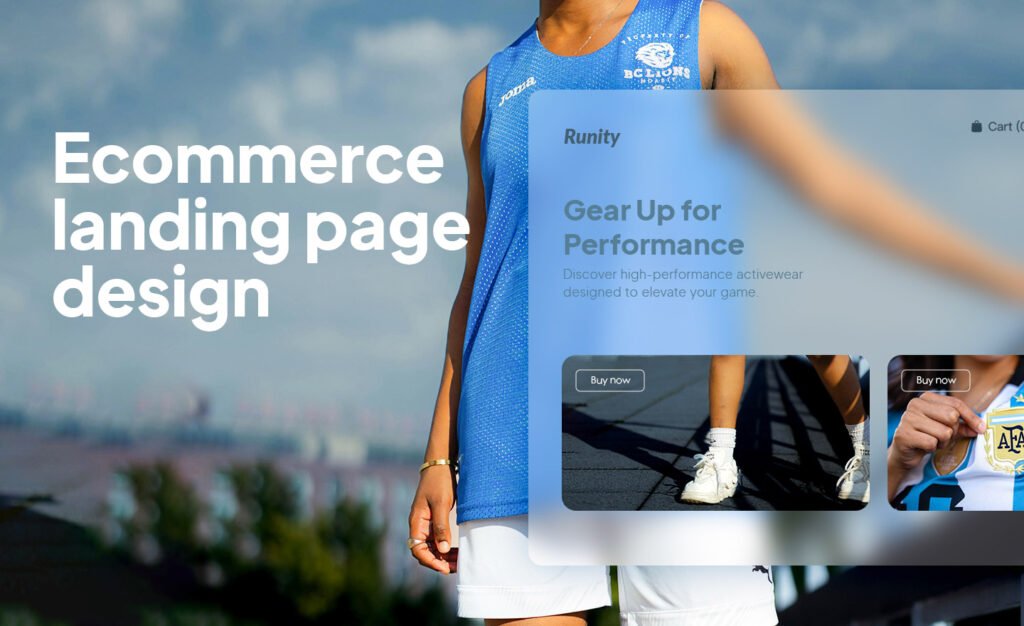
While every landing page is unique, some principles consistently drive better performance.
1. Remove Clutter
Simplicity converts.
- Use clear, bold headlines
- Keep copy concise
- Remove unnecessary navigation
- Embrace white space
- Highlight benefits with bullet points
Visitors skim — design for scanning, not reading.
2. Use One Clear CTA
Landing pages should never confuse visitors.
- Use a single CTA
- Place it above the fold
- Repeat it strategically as users scroll
- Use action-oriented language
- Create urgency or exclusivity
Small CTA changes can deliver big results — test often.
3. Invest in High-Quality Visuals
Images sell when words can’t.
- Use professional, high-resolution product images
- Optimize visuals for mobile
- Show products in real-life contexts
- Avoid low-quality or irrelevant visuals
Visuals also build trust, especially when paired with social proof.
4. Leverage Social Proof Strategically
Trust drives conversions.
Effective social proof includes:
- Customer testimonials with photos
- User-generated content
- Influencer mentions
- Media features
- Social engagement signals
Used thoughtfully, social proof reassures without distracting.
Real-World Examples of High-Converting Landing Pages
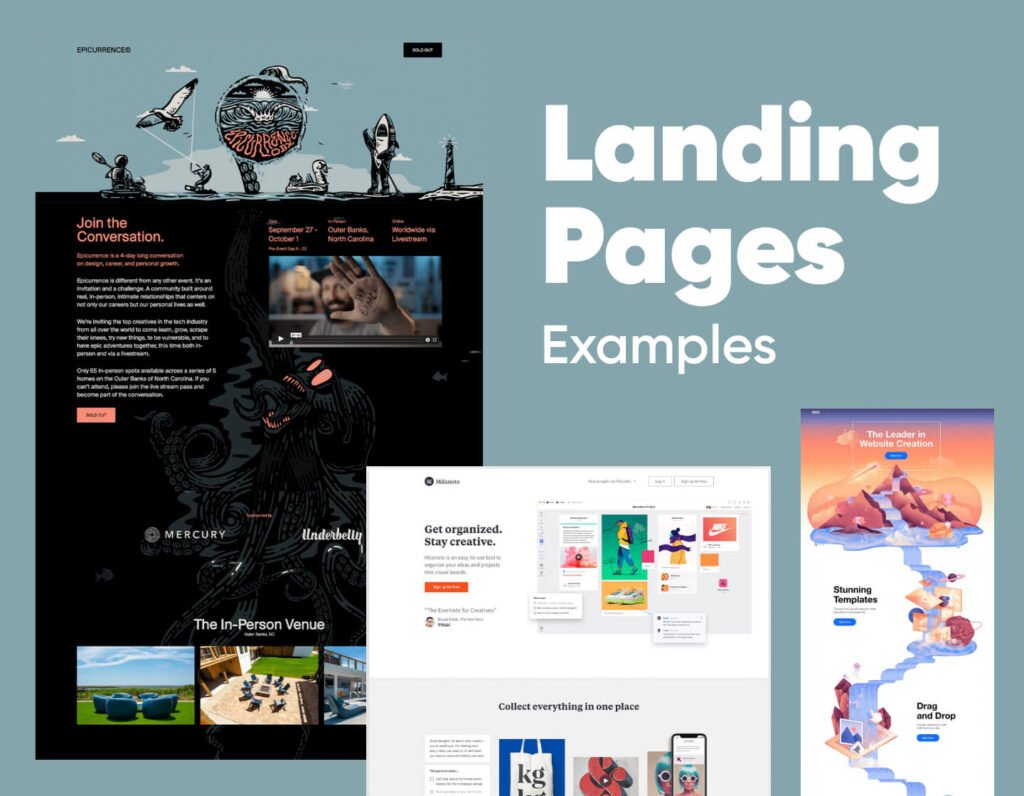
1. Uplift Desk
Uplift Desk leads with customization and ergonomics, supported by strong visuals and trust signals. The experience feels premium, clear, and conversion-focused.
Why it works:
- Benefit-driven messaging
- Sticky CTAs
- Strong credibility elements
2. Mountain Crest Gardens
This page balances education and shopping beautifully, especially for less experienced buyers.
Why it works:
- Clear categorization
- Helpful guidance
- Calm, uncluttered design
3. Savannah Bee Company
Strong storytelling and educational cues help shoppers understand product value while maintaining a smooth path to purchase.
Why it works:
- Emotional branding
- High-quality imagery
- Clean shopping experience
4. Berlin Packaging
A B2B landing page built for speed, clarity, and repeat buyers.
Why it works:
- Efficient navigation
- Industry-specific messaging
- Strong product filtering
5. Revelry
Revelry’s landing page reduces decision fatigue by organizing products clearly and supporting confident choices.
Why it works:
- Clear categorization
- Consistent visuals
- Calm, supportive UX
BigCommerce – Ecommerce Landing Pages Guide
https://www.bigcommerce.com/blog/landing-pages/