
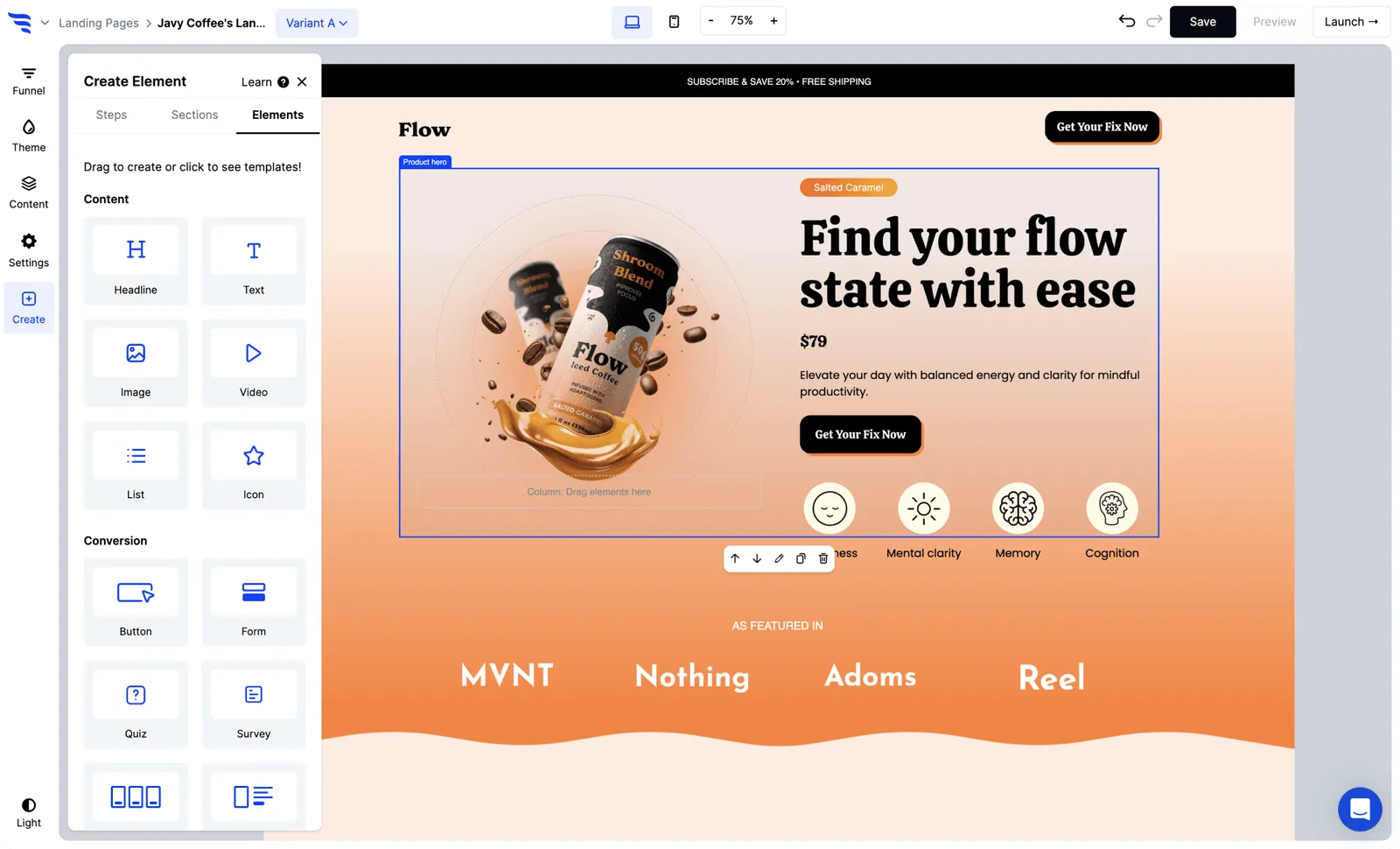
In today’s competitive ecommerce landscape, attracting visitors to your online store is only half the battle. The other half? Turning those clicks into purchases. This is where ecommerce landing pages come in. Unlike general product pages or homepages, landing pages are designed with one clear goal: conversion. They strip away distractions, focus on a single objective, and guide visitors toward action, whether that’s making a purchase, signing up for a newsletter, or claiming a special offer.
Landing pages are no longer optional; they are an essential tool for brands looking to maximize ROI, engage audiences, and increase sales. Let’s explore how to create high-converting landing pages that meet shopper intent, optimize paid traffic, and deliver measurable results.
What Is an Ecommerce Landing Page?
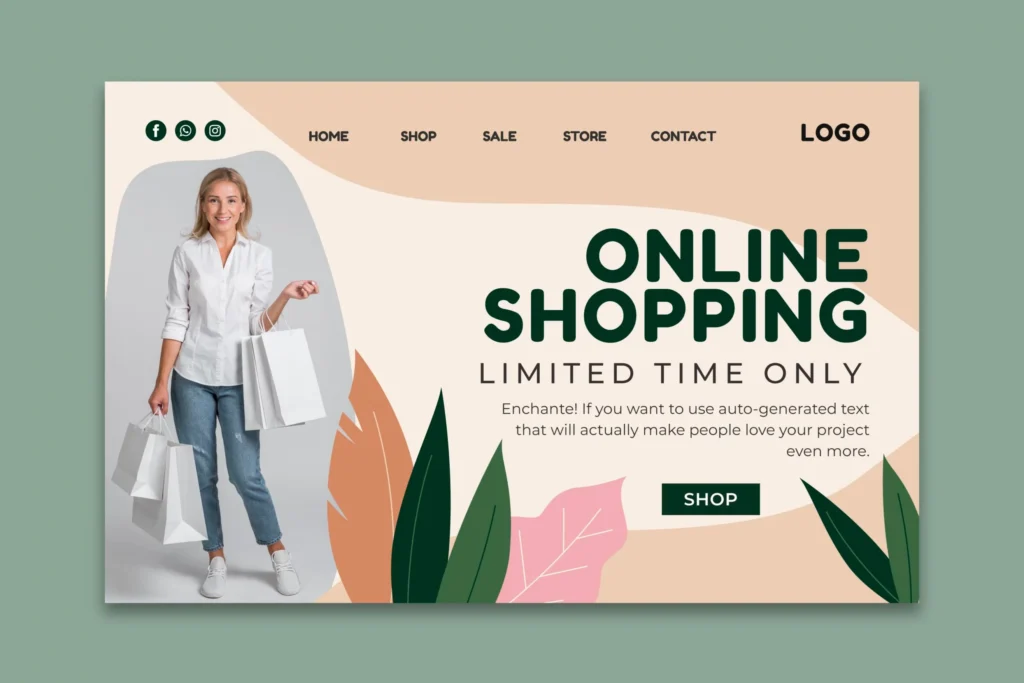
An ecommerce landing page is a standalone webpage designed specifically for marketing campaigns. When a visitor clicks on an advertisement, an email promotion, or a social media post, this is the page where they “land.” Unlike a homepage, which serves as an entry point to a website, or a product page, which may contain multiple options and paths, a landing page is singularly focused.
The goal of a landing page is clear: get the visitor to complete a specific action. This could be:
- Purchasing a product
- Signing up for a newsletter
- Claiming a discount or special offer
Landing pages are tailored to match buyer intent, often featuring headlines, visuals, and calls-to-action (CTAs) that resonate with the visitor’s search or ad click. For example, a shopper searching for “best travel luggage” may click on an ad that brings them to a page highlighting durable suitcases with a 30% discount. Social proof, testimonials, and a clear CTA encourage the visitor to act immediately.
Landing Pages vs Product Pages
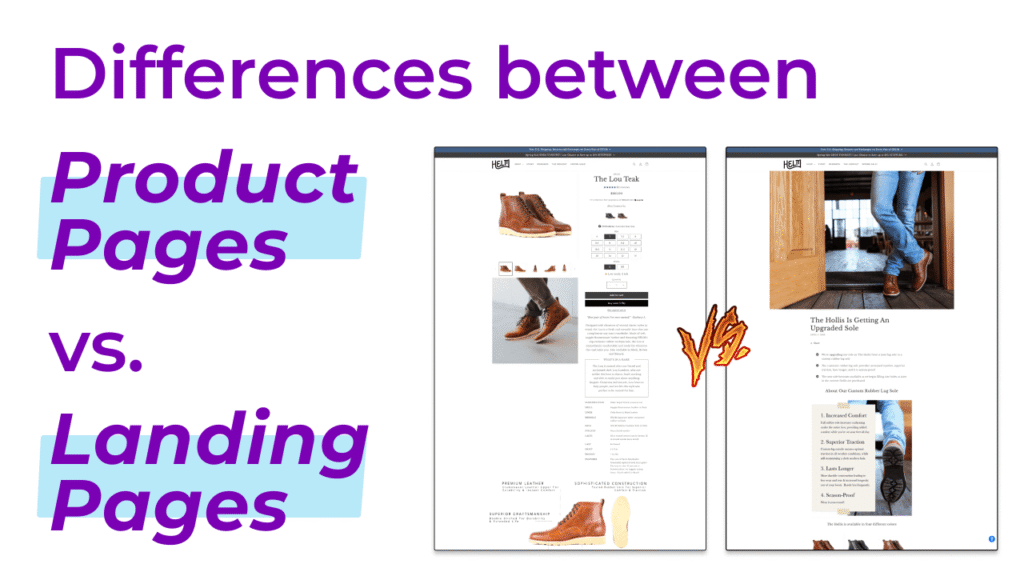
It’s important to distinguish between landing pages and product pages, as they serve different purposes:
Landing Pages:
- Focused on a single goal or CTA
- Strips away navigation to reduce distractions
- Designed for specific marketing campaigns
- Optimized for conversion rather than SEO
- Tailored content for a targeted audience
Product Pages:
- Provide general product information
- Include multiple CTAs and navigation options
- Designed to inform and support discovery
- Optimized for search engine traffic
- Appeals to broader audiences
Consider this example: a shopper clicks on an ad for “modern travel luggage.” On a product page, they might see general product information, links to other items, and a navigation bar. They could explore other products but might get distracted and leave without purchasing. On a landing page, however, the messaging aligns perfectly with the ad, emphasizing product features, a limited-time offer, and a single CTA. This focused approach drives higher conversions by eliminating friction.
Why Ecommerce Landing Pages Matter
Landing pages play a critical role in the ecommerce sales funnel. They act as the bridge between marketing campaigns and actual purchases. Effective landing pages can:
- Maximize ROI on Paid Traffic:
Visitors from paid campaigns come with intent. If an ad for “winter jackets” takes them to a generic homepage, they’re likely to bounce. A targeted landing page ensures they see exactly what they’re looking for, increasing the chance of conversion and making every advertising rupee count. - Enable Testing and Optimization:
Landing pages are ideal for A/B testing. Brands can test different headlines, images, CTAs, or offers to see what resonates best with audiences. These insights can be applied across campaigns, helping refine marketing strategies and improve overall performance. - Target Niche Audiences:
Personalized landing pages allow brands to connect with specific customer segments. From Gen Z shoppers to loyal repeat customers, pages can be tailored to device preferences, shopping habits, and buyer intent. The more precise the targeting, the higher the conversion potential. - Simplify Page Building:
Modern landing page builders make it easy to design and deploy pages quickly. Templates, drag-and-drop interfaces, and pre-built components allow marketers to scale campaigns without overloading the design team.
Four Types of Ecommerce Landing Pages
Different landing pages serve different purposes depending on where the customer is in the buying journey. Here’s a breakdown of the four main types:
1. Top-of-Funnel Landing Pages
These pages target new visitors who may not yet know your brand. They are often used in awareness campaigns or lookalike audience campaigns. The content focuses on:
- Brand story and value proposition
- Problem-solving features of products
- Social proof to build credibility
The CTA is usually geared toward lead generation, such as offering a discount for signing up for a newsletter. This helps capture potential customers for future engagement without requiring an immediate purchase.
2. Mid-Funnel Landing Pages
Mid-funnel pages are for visitors who have shown interest but haven’t converted. Often used in retargeting campaigns, these pages focus on nudging shoppers toward purchase. Effective content strategies include:
- Highlighting specific products
- Showcasing positive reviews and testimonials
- Creating urgency with limited-time offers or low-stock alerts
CTAs here are purchase-focused, such as “Buy Now,” making it easy for hesitant shoppers to complete their order.
3. Bottom-Funnel Landing Pages
These are for visitors who are ready to buy but may need a final incentive. Common strategies include:
- Upselling or cross-selling related products
- Bundled offers
- Cart abandonment incentives like free shipping or discounts
The CTA emphasizes closing the sale first, then encouraging additional purchases for higher order value.
4. Already-Purchased or Retention Landing Pages
For existing customers, these pages focus on retention, loyalty, and repeat purchases. Examples of content include:
- Reward programs and points accumulation
- Early access to new products or sales
- Referral incentives for inviting friends
- Exclusive offers to maintain engagement
Here, the CTA prioritizes customer experience and long-term value, rather than immediate conversion.
Best Practices for Ecommerce Landing Pages
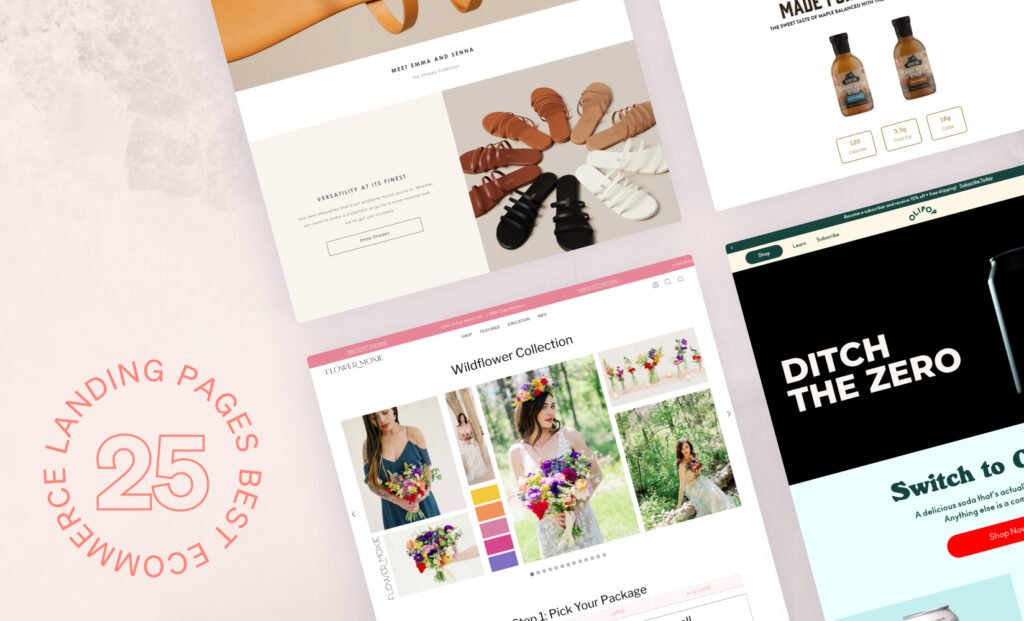
To create high-converting landing pages, follow these best practices:
- Limit Clutter:
Simplify the page by removing unnecessary elements, including excessive text and navigation menus. Use white space effectively to direct attention to the CTA. - Single, Clear CTA:
Focus the page on one action to reduce decision fatigue. The CTA should be prominent, placed above the fold, and repeated strategically throughout the page. - High-Quality Images:
Visuals play a crucial role in convincing shoppers. Use high-resolution product images, lifestyle shots, or customer-generated content. Ensure images are mobile-optimized for seamless experiences. - Leverage Social Proof:
Incorporate reviews, testimonials, influencer mentions, and trust seals to build credibility. Social proof helps reduce hesitation, especially for first-time buyers. - A/B Test for Continuous Improvement:
Test every element—from headlines to CTA button color—to determine what drives conversions. Insights from tests can improve future campaigns and landing page designs.
Examples of High-Converting Landing Pages
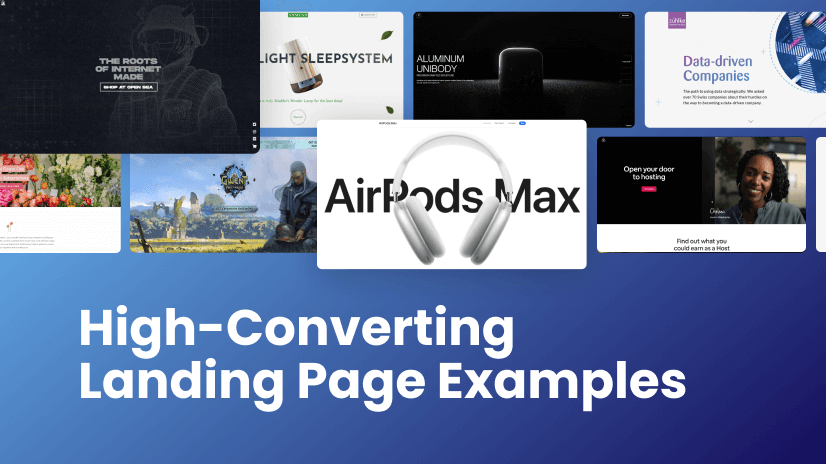
Here are five notable examples of ecommerce landing pages that excel at driving conversions:
- Uplift Desk:
- Clean, visually polished layout
- Benefit-driven messaging and strong visuals
- Persistent CTAs for ease of purchase
- Mountain Crest Gardens:
- Calm, organized design with high-quality imagery
- Helpful educational content to guide new shoppers
- Clear path to purchase without distraction
- Savannah Bee Company:
- Immersive visuals highlighting product quality
- Educational content and storytelling to build trust
- Strong CTAs guiding visitors to purchase
- Berlin Packaging:
- Optimized for B2B buyers with large catalogs
- Clear categorization and efficient navigation
- Content tailored to fast, confident purchasing decisions
- Revelry:
- Clear organization by style, color, and occasion
- Clean, distraction-free layout
- Visual consistency for easier comparison and confident purchase
Shopify – Ecommerce Landing Page Guide
https://www.shopify.com/blog/landing-page