
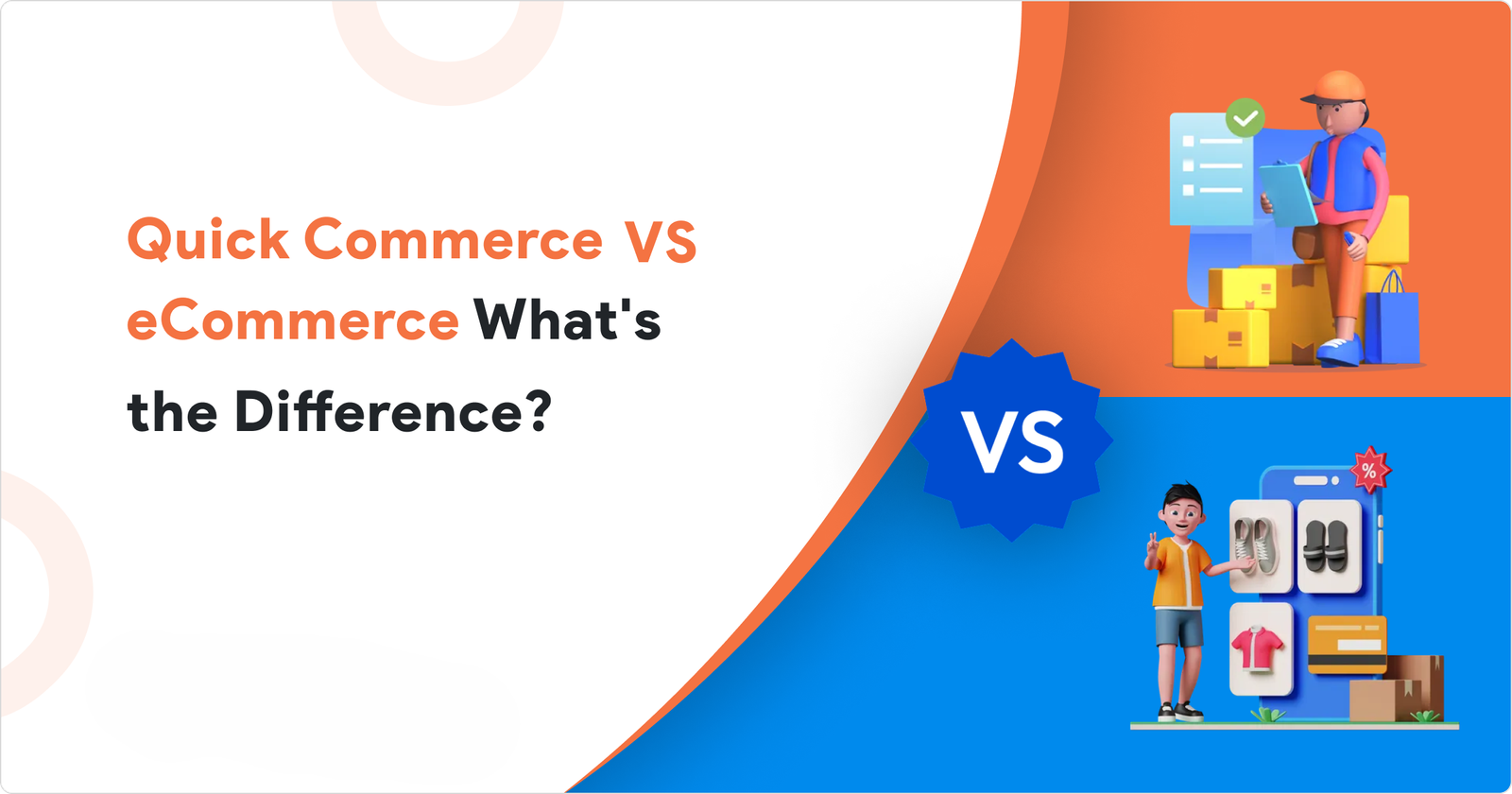
Shopping habits have changed more in the last few years than in the previous decade. Waiting several days for online deliveries was once acceptable, but today customers expect speed, convenience, and instant fulfillment. The rise of ultra-fast delivery platforms has introduced a new question for sellers and entrepreneurs: E-commerce vs quick commerce — which model is better for your business?
After the Covid-19 pandemic, online shopping became a necessity rather than a luxury. Traditional e-commerce platforms expanded rapidly, while quick commerce emerged as a game-changer by promising deliveries within minutes. This rapid shift has left many business owners unsure about which model aligns best with their goals.
If you’re planning to start an online business or scale an existing one, understanding the difference between e-commerce and quick commerce is essential. This guide will help you make the right decision.
What Is E-Commerce?
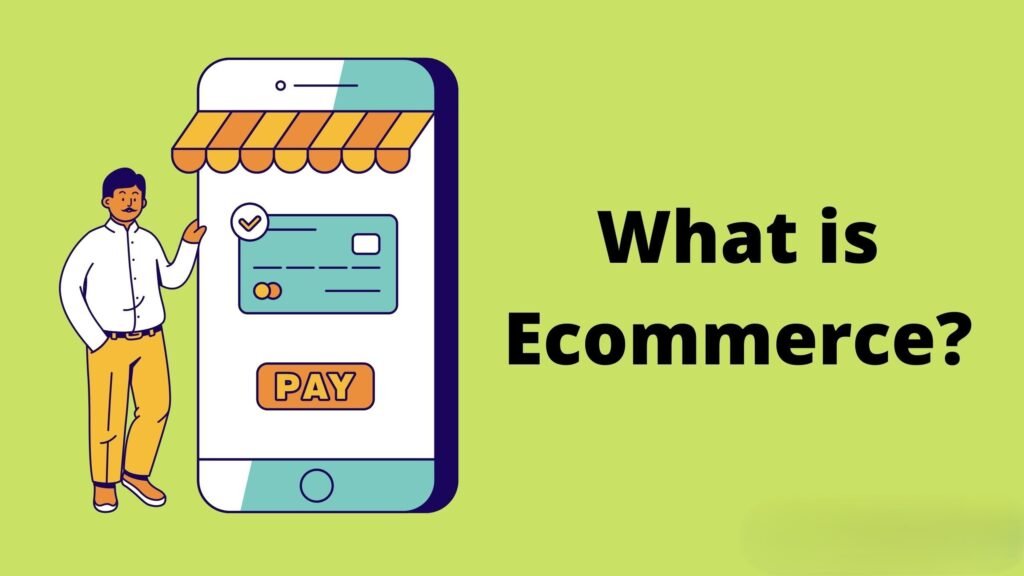
E-commerce, short for electronic commerce, refers to selling products or services through the internet. Customers browse products on websites or mobile apps, place orders, complete online payments, and receive deliveries through logistics partners.
In a standard e-commerce business model, sellers operate from centralized warehouses or fulfillment centers. Orders are packed and shipped to customers, usually within 1 to 7 days, depending on location and shipping options.
Popular E-Commerce Platforms
Some widely used e-commerce platforms include:
- Amazon
- Flipkart
- Meesho
- Myntra
- Ajio
- Shopify and WooCommerce stores
E-commerce supports a wide variety of categories, from fashion and electronics to furniture, beauty products, and digital goods.
What Is Quick Commerce (Q-Commerce)?
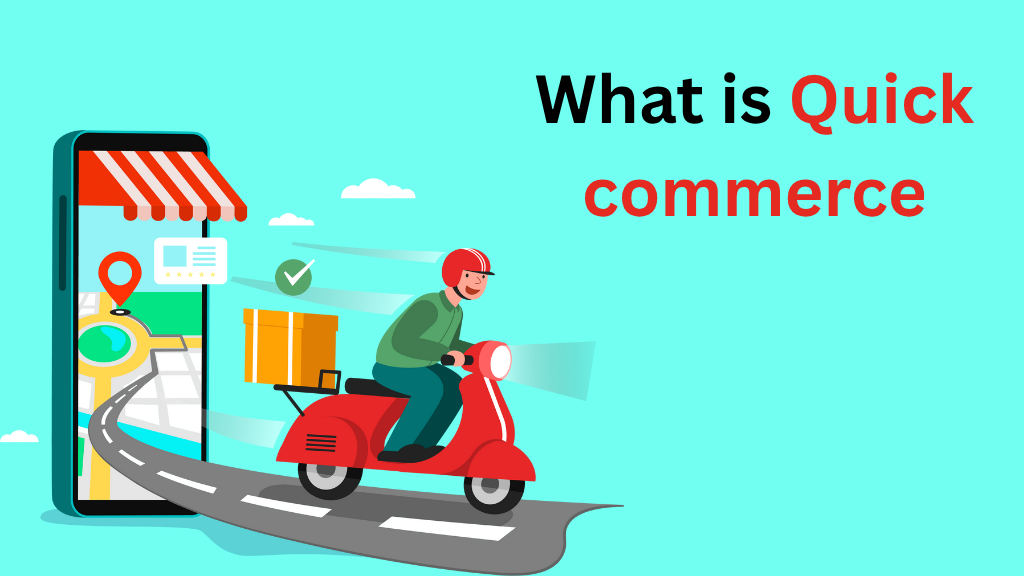
Quick commerce, also known as Q-commerce, is a modern version of e-commerce focused on ultra-fast deliveries. Instead of days, products are delivered within 10 to 30 minutes.
Quick commerce platforms operate through small local warehouses, commonly called dark stores, located close to residential areas. These warehouses stock high-demand products that customers frequently need on short notice.
Popular Quick Commerce Platforms
Leading quick commerce platforms include:
- Blinkit
- Zepto
- Swiggy Instamart
- BB Now
- Dunzo
Quick commerce mainly caters to urban customers who value speed and convenience over variety.
E-Commerce vs Quick Commerce: Key Differences
To choose the right model, it’s important to understand how e-commerce vs quick commerce differ across core business aspects.
Delivery Time
- E-commerce: Typically delivers within 1–7 days
- Quick commerce: Delivers within 10–30 minutes
Product Selection
- E-commerce: Offers a wide and diverse product range
- Quick commerce: Focuses on daily essentials and fast-moving items
Infrastructure
- E-commerce: Uses centralized warehouses
- Quick commerce: Uses multiple neighborhood-level dark stores
Investment Requirement
- E-commerce: Lower startup and operational costs
- Quick commerce: Higher costs due to warehousing and delivery infrastructure
Customer Priority
- E-commerce: Emphasizes choice, pricing, and information
- Quick commerce: Emphasizes speed and instant availability
Advantages and Disadvantages of the E-Commerce Model
Advantages of E-Commerce
1. Broader Reach
E-commerce businesses can sell to customers across cities, states, and countries, allowing for massive scalability.
2. Lower Initial Investment
Compared to quick commerce, e-commerce requires less capital, making it ideal for startups and small businesses.
3. Unlimited Product Categories
There are very few restrictions on what can be sold, allowing sellers to experiment with multiple product lines.
4. Operational Flexibility
E-commerce stores operate 24/7 without the need for physical storefronts.
Limitations of E-Commerce
1. High Competition
Thousands of sellers often offer similar products, increasing the need for strong branding and marketing.
2. Slower Delivery
Longer delivery timelines can reduce customer satisfaction, especially for urgent purchases.
3. Logistics Management
Returns, damaged goods, and shipping delays can add complexity to operations.
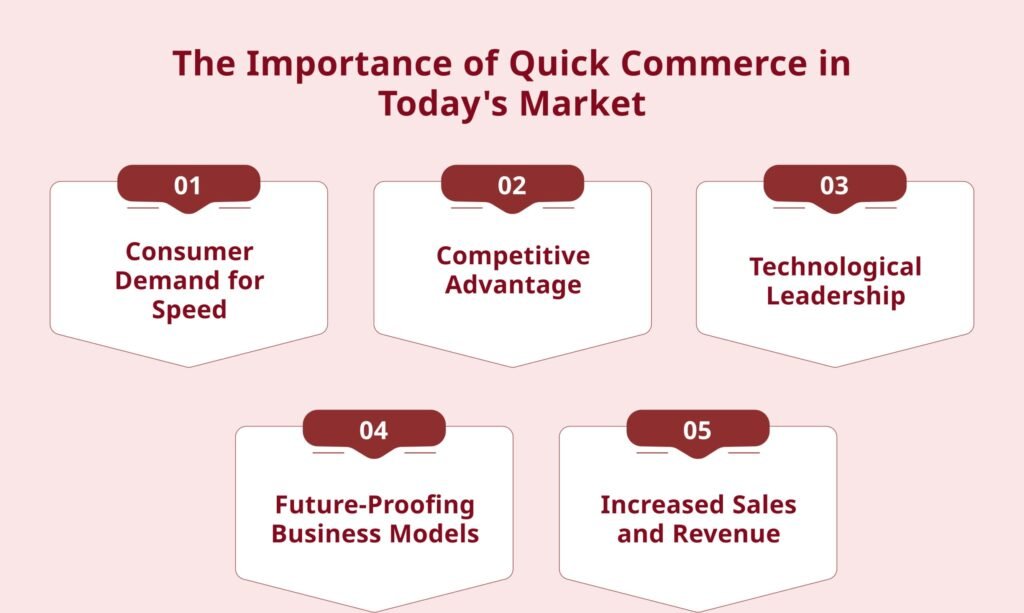
Benefits and Challenges of the Quick Commerce Model
Benefits of Quick Commerce
1. Instant Gratification
Fast delivery improves customer satisfaction and builds brand loyalty.
2. High Order Frequency
Customers place frequent repeat orders, especially for groceries and essentials.
3. Strong Urban Demand
Quick commerce thrives in metro cities where customers value convenience.
4. Competitive Advantage
Speed creates a strong differentiation in crowded markets.
Challenges of Quick Commerce
1. High Operating Costs
Maintaining dark stores, delivery staff, and technology infrastructure is expensive.
2. Limited Product Scope
Not suitable for luxury, bulky, or low-demand products.
3. Thin Profit Margins
Heavy discounts and delivery costs can reduce profitability.
4. Workforce Pressure
Delivery partners often face intense performance pressure and long hours.
E-Commerce vs Quick Commerce: Which Is Right for You?
The choice between e-commerce and quick commerce depends on several factors, including budget, product type, and customer expectations.
Choose E-Commerce If:
- You have limited investment capital
- You want to sell a wide variety of products
- Your customers don’t need instant delivery
- You want national or global reach
- You prefer lower operational risk
Choose Quick Commerce If:
- You can invest in infrastructure and logistics
- You sell daily essentials or fast-moving goods
- Your target audience is urban and time-sensitive
- You want rapid order turnover
- You can manage high operational intensity
Can You Use Both Models Together?
Many brands today use a hybrid approach, combining e-commerce and quick commerce. For example:
- Selling lifestyle or durable products through e-commerce
- Delivering groceries or essentials via quick commerce
This strategy helps businesses reach more customers while balancing speed and scalability.
Importance of Professional Account Management
Managing seller accounts on e-commerce and quick commerce platforms requires constant monitoring and optimization. Key responsibilities include:
- Product listing optimization
- Inventory planning
- Advertising and promotions
- Customer support management
- Performance analysis
Professional account management services help sellers grow faster, avoid policy issues, and improve overall profitability.