
Few industries evolve as rapidly—or as unpredictably—as e-commerce. Running an online store today is not just about listing products and driving traffic. It requires constant adaptation, openness to new technologies, awareness of shifting consumer behavior, and careful navigation of an increasingly complex legal and regulatory landscape.
As we step into 2026, e-commerce businesses once again face a fresh wave of trends. Some will fade away as short-lived hype, while others have the potential to reshape how online stores operate, compete, and grow. The challenge for retailers is not to chase every shiny new idea, but to identify which trends genuinely create value and long-term profitability.
To separate substance from noise, we’ve gathered insights from experienced practitioners and industry experts representing major e-commerce and technology companies. Their predictions highlight the trends most likely to reach mainstream adoption in 2026 and deliver tangible results for online retailers.
Below, we explore six of the most important e-commerce trends for 2026, along with practical strategies for businesses that want to stay competitive in a fast-moving digital marketplace.
1. Artificial Intelligence in Marketing: From Tools to True Business Partners
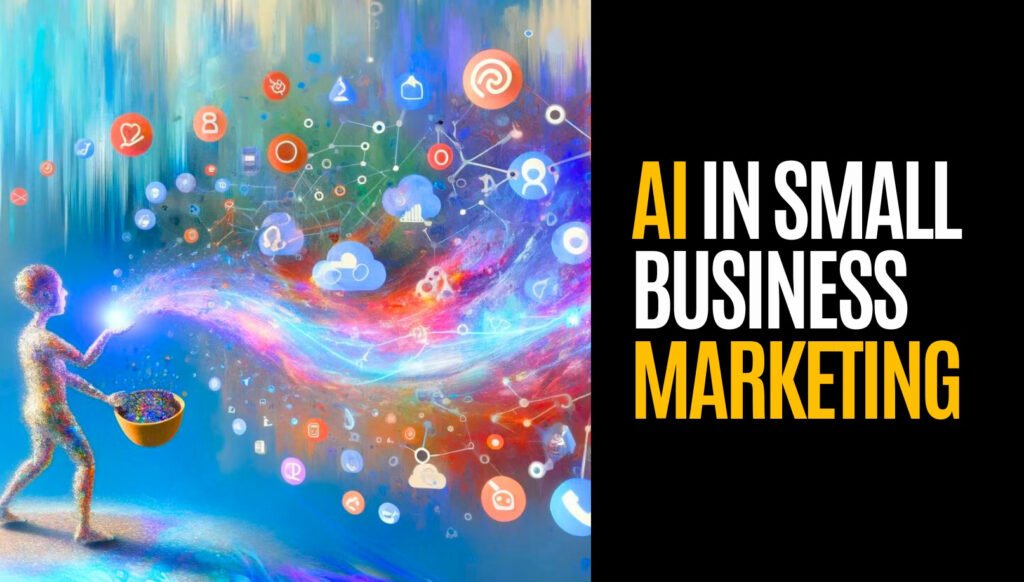
Artificial intelligence is no longer a futuristic add-on—it is becoming the invisible engine powering modern e-commerce.
According to Lukasz Balec, Head of AI Product at Shoper, AI in 2026 is shifting from isolated features to deeply integrated systems that actively support business decision-making. Intelligent, conversational assistants are increasingly helping store owners analyze assortment performance, margins, inventory levels, and customer behavior. Instead of simply generating content or images, AI is evolving into a strategic advisor.
AI’s Expanding Role in E-Commerce
By 2026, AI is influencing both sides of the e-commerce equation:
- For customers, AI assistants are transforming product discovery. Shoppers increasingly rely on conversational search tools rather than traditional keyword queries.
- For businesses, AI helps optimize marketing campaigns, pricing strategies, product recommendations, and operational planning.
Industry forecasts suggest that around 25% of online shoppers will regularly interact with chatbots or AI assistants when shopping by 2026. This shift cannot be ignored.
The New Competitive Advantage: Data Quality
As AI adoption becomes widespread, simply “using AI” will no longer be enough to stand out. The real advantage will belong to companies that invest in:
- High-quality, well-structured product data
- Accurate stock availability and delivery information
- Clear returns and customer service policies
- Consistent branding across all channels
AI systems favor businesses that provide reliable, structured, and transparent data. In other words, AI rewards discipline.
AI-Driven Marketing Optimization
In 2026, AI agents are increasingly used to automate and improve complex marketing workflows, including:
- Market and trend research
- Competitor analysis
- A/B testing of creatives and campaigns
- Aggregation and analysis of historical marketing data
Properly trained AI agents can understand a brand’s tone, visual identity, and messaging style, allowing marketing teams to create campaigns faster and with greater consistency.
The takeaway is clear: companies that learn to collaborate with AI, rather than treat it as a novelty, will gain a lasting edge.
2. Unified Commerce: One Experience, Everywhere

Unified commerce is emerging as a more advanced evolution of omnichannel retail. While omnichannel focused on being present across multiple channels, unified commerce is about deep integration.
What Is Unified Commerce?
Unified commerce connects all sales and service channels—online stores, mobile apps, physical locations, marketplaces, and even emerging platforms—into a single, shared database. This database includes:
- Customer profiles
- Product catalogs
- Inventory levels
- Order histories
- Pricing and promotions
From the customer’s perspective, the shopping experience remains consistent no matter where or how they interact with the brand.
Why Unified Commerce Matters in 2026
As of 2025, only about 17% of U.S. retailers had fully implemented unified commerce systems. That number is expected to rise sharply in the coming years as customer expectations continue to grow.
Unified commerce benefits everyone:
- Retailers reduce fulfillment costs, minimize errors, and lower cart abandonment rates.
- Customers enjoy seamless transitions between devices and channels, with consistent pricing, availability, and service.
A shopper might start browsing on a smartphone, continue on a laptop, and complete the purchase in a physical store—or vice versa—without friction.
Endless Aisle and Real-Time Inventory
Unified commerce enables the “endless aisle” concept, where products remain available even if they’re out of stock at a specific location. If one warehouse or store runs low, the system automatically sources inventory from another location or supplier.
In 2026, real-time inventory accuracy will no longer be optional—it will be expected.
3. SEO Aligned with AI: GEO, AEO, and the Future of Online Visibility

Search engines are changing fast. Instead of presenting users with a list of links, they increasingly provide AI-generated answers at the top of search results.
As Janusz Mirowski from Polskie ePłatności explains, visibility today is about more than ranking—it’s about becoming a trusted source for AI systems.
Beyond Traditional SEO
While SEO remains foundational, it is now complemented by new approaches:
- GEO (Generative Engine Optimization)
- AEO (Answer Engine Optimization)
- AISO (Artificial Intelligence Search Optimization)
These strategies focus on making content easily understandable, trustworthy, and reusable by AI-powered search tools.
GEO: Optimizing for AI-Generated Answers
GEO is about creating content that AI models can confidently use when generating responses. This means:
- Clear structure
- Factual accuracy
- Expert tone
- Logical flow
The goal is not just ranking—but becoming the source that AI cites.
AEO: Writing for Questions and Answers
AEO emphasizes concise, citable content written in a Q&A format. This approach works particularly well for:
- FAQ sections
- How-to guides
- Definitions and explanations
Structured data (such as schema.org markup) makes it easier for search engines and AI tools to extract relevant information.
Is SEO Dying?
Despite the rise of AI search, SEO is far from obsolete. High-quality SEO practices naturally encourage clarity, depth, and relevance—exactly what AI systems value. In 2026, the winners will be those who combine traditional SEO fundamentals with AI-friendly content strategies.
4. Modern Payments: Convenience, Personalization, and Security

Payment experience remains one of the most critical factors influencing conversion rates. In fact, studies show that up to 68% of cart abandonment is linked to poor or confusing payment processes.
Focus on What Works
According to Dawid Cichy from Tpay, the key lesson from recent years is simple: success comes from refining proven solutions, not chasing every new payment method.
In 2026, retailers will focus on:
- BLIK and digital wallets for mobile users
- Buy Now, Pay Later (BNPL) for mid-range purchases
- Subscription and recurring payments for loyal customers
Payment Personalization Powered by AI
One of the biggest shifts ahead is payment personalization. AI systems can analyze:
- Shopping history
- Cart value
- Device type
- Customer behavior
Based on this data, the checkout dynamically recommends the most suitable payment method, increasing conversion rates and customer satisfaction.
Payment Tokenization and Security
Payment tokenization is becoming standard practice. Sensitive payment data is replaced with secure tokens, ensuring that online stores never directly handle card details. This significantly reduces fraud risk and increases trust.
In B2B e-commerce, fast access to financing based on real cash flow data will also gain traction in 2026.
5. Logistics Automation: Speed, Choice, and Efficiency
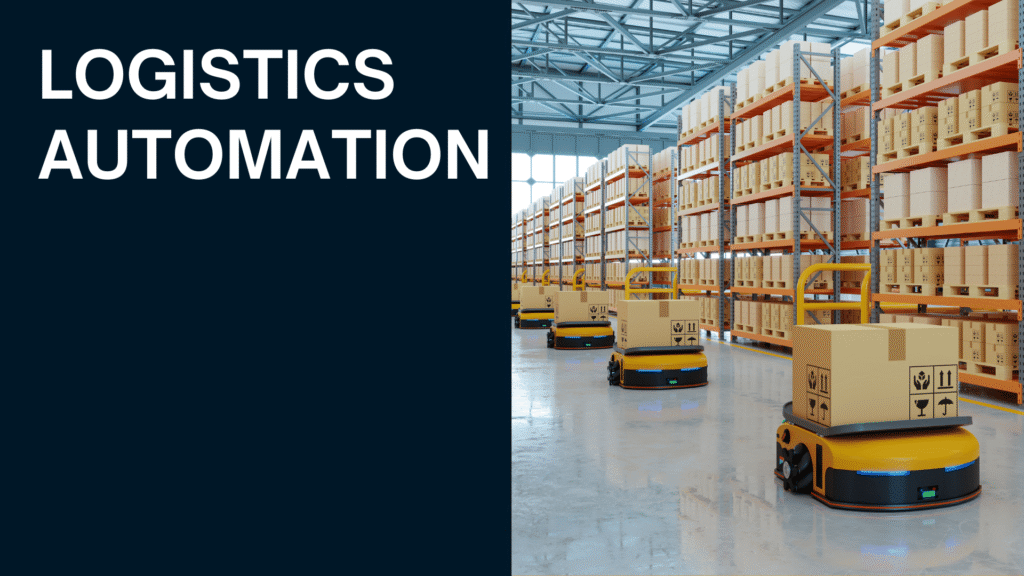
Fast delivery is no longer a competitive advantage—it’s a baseline expectation.
In 2026, rising fuel costs, storage expenses, and courier rates are pushing retailers to invest heavily in logistics automation.
Why Logistics Matter More Than Ever
Nearly 96% of retailers agree that logistics offerings directly influence sales. Customers expect not only speed, but also flexibility.
Multiple Delivery Options
Modern e-commerce logistics offer several delivery choices:
- Express delivery (same day or next day)
- Standard delivery (a few days)
- Eco-friendly delivery (slower but more sustainable)
Customers choose based on urgency and price, while businesses optimize costs.
Automation and Inventory Integration
Automation works hand-in-hand with unified commerce. Real-time data sharing ensures accurate stock levels and enables features like automatic reordering and dynamic fulfillment routing.
6. Upcycling: Sustainability with Real Business Value

Sustainability is evolving beyond marketing slogans. In 2026, consumers increasingly expect businesses to demonstrate genuine environmental responsibility.
What Is Upcycling?
Upcycling goes a step further than recycling. Instead of simply reprocessing waste, it transforms discarded materials into higher-value products.
Examples include:
- Furniture made from reclaimed wood or pallets
- Fashion items created from old fabrics
- Jewelry and décor from industrial waste
- Electronics built using refurbished components
- Packaging made from recycled paper and cardboard
Business Benefits of Upcycling
Upcycling offers several advantages:
- Lower raw material costs
- Strong appeal to eco-conscious consumers
- Premium pricing opportunities
- Enhanced brand reputation
It also allows businesses to start small—testing demand with limited product lines before scaling.
Challenges to Consider
Upcycling isn’t without obstacles:
- Sourcing consistent materials can be difficult
- Demand must be carefully validated
- Production often requires specialized skills
Success depends on quality, design, and clear communication of value.
Top Ecommerce Trends to Watch in 2026 – overview of no-code tools, AI, and modern commerce stacks.
👉 https://www.bigcommerce.com/articles/ecommerce/ecommerce-trends/