
For years, mobile wallets were viewed primarily as a faster way to pay. Tap, authenticate, move on. But that narrow definition no longer applies. In 2026, mobile wallets are evolving into something far more powerful: trusted digital hubs that store not just payment cards, but loyalty credentials, exclusive offers, access passes, and now, verified personal identity.
This shift toward digital identity inside mobile wallets is quietly transforming how consumers interact with retailers — and, importantly, how retailers bring customers back into physical stores.
What began as a convenience feature is now reshaping the relationship between shoppers and brands. As consumers increasingly trust platforms like Apple Wallet and Google Wallet with their most sensitive credential — their government-issued ID — wallets are becoming central to loyalty, engagement, and omnichannel commerce strategies.
For brick-and-mortar retailers struggling to compete with the ease of e-commerce, digital ID-enabled wallets may offer a long-awaited bridge between online convenience and in-store discovery.
Mobile Wallets Have Crossed the Trust Threshold
Mobile wallet adoption is no longer a trend; it is a standard consumer behavior. A majority of U.S. adults already use mobile wallets for everyday payments, and usage continues to accelerate. Since 2024 alone, the total number of mobile wallet users in the U.S. has grown by more than 50%, signaling a shift from optional technology to essential infrastructure.
What makes this moment significant is not just how often wallets are used, but what consumers are now willing to store in them.
Initially, wallets held payment cards. Then came loyalty programs, transit passes, boarding passes, event tickets, and coupons. Each addition increased convenience — but also trust. That trust has now reached its highest level yet: consumers are allowing wallets to store official identity credentials.
This represents a psychological milestone. Handing over payment information is one thing; entrusting a digital platform with a passport or driver’s license is another. The fact that millions of users are embracing digital ID signals that mobile wallets have become trusted identity environments.
According to Alex Campbell, co-founder and chief innovation officer at mobile engagement platform Vibes, this shift goes far beyond a technical upgrade.
“When the wallet becomes the place where identity lives, loyalty follows naturally — without forcing consumers to download yet another app,” he explains.
That insight highlights why digital ID is so important for retailers. It doesn’t just streamline verification; it fundamentally changes how brands engage customers.
Apple’s Digital ID Push Is Reshaping Consumer Habits
Apple has emerged as the dominant force driving digital ID adoption in the U.S. With more than 65 million active Apple Pay users in 2025 — nearly half of the U.S. mobile wallet market — Apple Wallet’s reach gives it unmatched influence over consumer behavior.
In November 2025, Apple expanded its digital ID capabilities, allowing users to securely add U.S. passport information to their iPhone or Apple Watch. This feature enables in-person identity verification at TSA checkpoints and other approved locations, building on Apple’s earlier support for digital driver’s licenses first introduced in 2022.
For consumers, this means fewer physical documents to carry. For Apple, it cements the wallet as a daily companion rather than an occasional payment tool.
Younger consumers are leading the charge. Gen Z and millennials, already accustomed to mobile-first experiences, are the most enthusiastic adopters. More than 70% of Gen Z mobile wallet users rely on Apple Pay for weekly purchases, indicating habitual usage rather than sporadic convenience.
As digital ID becomes part of that routine, engagement deepens. The wallet stops being something consumers open only when paying — it becomes a gateway to identity, access, and rewards.
Google Wallet remains a strong competitor, with an estimated 200–250 million users worldwide. While Apple Pay leads in U.S. adoption, Google Wallet continues to expand globally and supports digital IDs and mobile driver’s licenses in select regions, including parts of the U.S. and the U.K.
Together, these platforms are accelerating a future where physical wallets filled with plastic cards feel increasingly obsolete.
Mobile Driver’s Licenses Lay the Foundation for Digital Identity
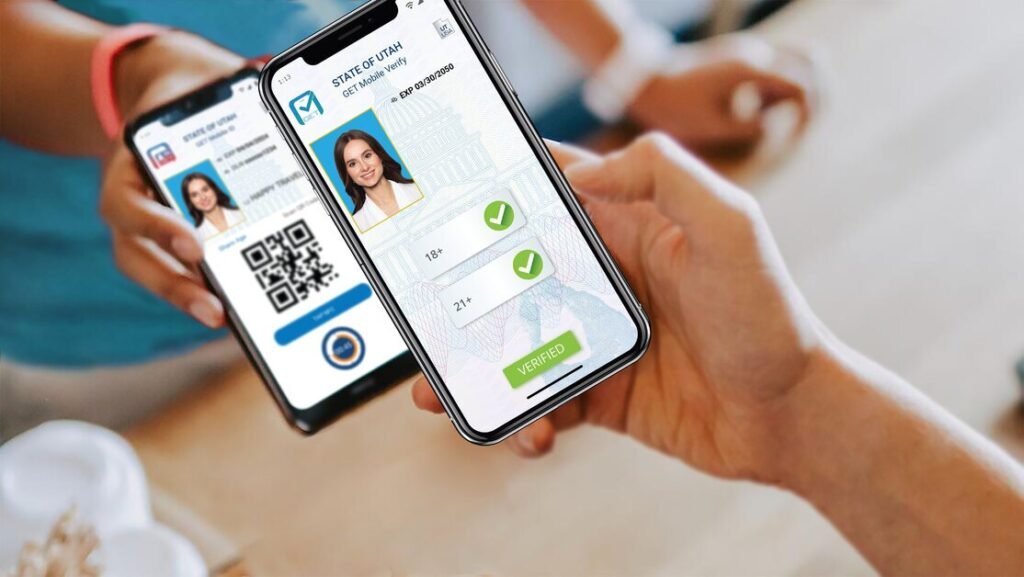
The rise of digital ID did not happen overnight. Its momentum has been built gradually through the adoption of mobile driver’s licenses (mDLs).
Over the past few years, U.S. states have steadily passed legislation allowing residents to store digital versions of their driver’s licenses and state IDs in mobile wallets. By late 2025, between 19 and 30 states had active programs or pilot initiatives underway.
Today, roughly three-quarters of Americans live in states that either support or are testing mDLs. By the end of 2025, at least 15 states and Puerto Rico fully supported adding a driver’s license or state ID to Apple Wallet. Google Wallet also supports mDLs in select jurisdictions.
This widespread rollout has normalized the idea of carrying government-issued identification on a smartphone. Consumers who once hesitated now see digital ID as practical, secure, and aligned with their daily habits.
Smartphone penetration plays a critical role here. Approximately 91% of U.S. adults own a smartphone, compared to just over half who hold a passport. As wallets expand beyond payments into identity, smartphones naturally become the primary container for everyday credentials.
Digital ID is no longer viewed as a niche travel feature. It is emerging as a general-purpose tool for age verification, access control, and secure identification in daily life.
The Challenges of Scaling Digital ID Adoption
Despite its momentum, digital ID adoption still faces significant obstacles. According to Campbell, the biggest challenge is fragmentation.
U.S. identity systems are governed by a patchwork of state laws, agencies, and acceptance rules. A digital credential recognized in one state may not be accepted in another. This inconsistency creates confusion for consumers and friction for businesses.
Technical challenges add another layer of complexity. Different issuers, platforms, and verification systems do not always follow uniform standards, making interoperability between Apple Wallet, Google Wallet, and third-party verification devices difficult.
Widespread acceptance also requires significant infrastructure upgrades. Retailers, law enforcement agencies, airports, and delivery services need NFC-enabled readers, updated workflows, and trained staff. These upgrades involve cost, time, and coordination across multiple stakeholders.
Privacy concerns remain a critical issue. Consumers want clarity on who verifies their identity, what data is shared, and how long it is stored. Strong security mechanisms — including revocation, recovery, and fraud protection — must be built into every stage of the process.
Equitable access is another concern. Not every consumer owns a compatible device or feels comfortable using digital credentials. Any digital ID strategy must ensure alternatives remain available.
These challenges do not diminish digital ID’s potential — but they underscore the need for careful implementation and clear communication.
Why Digital ID Benefits Both In-Store and Online Commerce
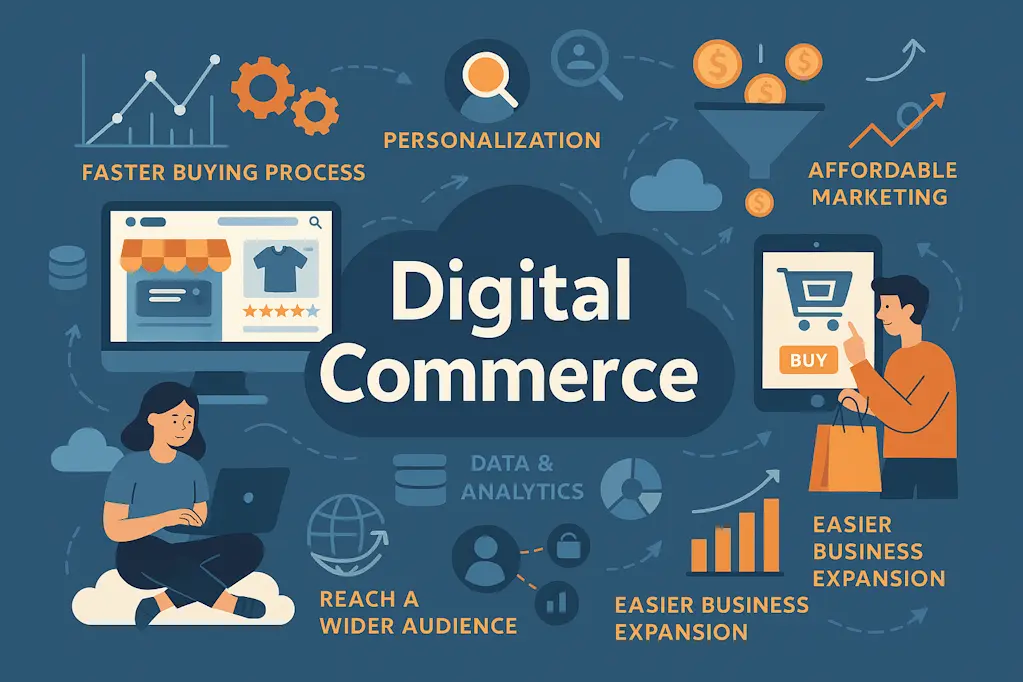
When implemented effectively, digital ID can enhance security and convenience across both physical and digital retail environments.
From a security perspective, smartphones offer advantages over physical IDs. Device-level biometrics, encryption, and tokenization make digital credentials difficult to forge or misuse. NFC-based tap verification is especially promising, as it reduces the risk of fraud compared to QR codes or visual inspection.
From a convenience standpoint, digital ID streamlines processes that traditionally slow down transactions. Age verification, identity checks for high-value purchases, and access validation can all happen instantly — without paperwork or manual review.
For retailers, this creates an opportunity to blend identity with engagement.
Campbell argues that digital wallets help solve a long-standing problem for brick-and-mortar stores: how to compete with the ease of online shopping while preserving the unique advantages of physical retail.
Online commerce is efficient, but it lacks discovery. When consumers shop online, they often buy exactly one item and leave. In-store shopping, by contrast, encourages browsing — and additional purchases.
The goal, Campbell explains, is to use digital wallets to pull shoppers into stores. Once inside, they are more likely to explore, discover new products, and make incremental purchases.
Digital ID plays a supporting role in this strategy by reducing friction at the door — whether literal or metaphorical — and enabling more personalized interactions.
Wallet-Based Engagement Drives Higher Redemption and Loyalty
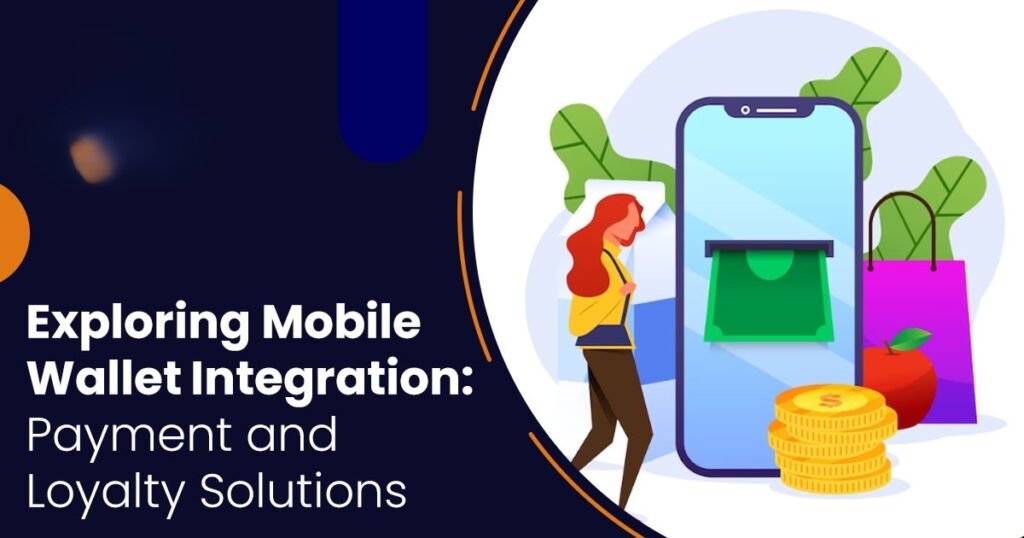
One of the most compelling benefits of wallet-first strategies is their impact on marketing effectiveness.
Digital wallets integrate naturally with messaging channels such as SMS. Retailers can send offers, coupons, and loyalty perks directly to customers, where they are stored in the wallet rather than lost in an inbox.
According to Campbell, combining wallet integration with messaging has produced measurable results. Brands that deliver offers directly to wallets see significantly higher redemption rates — on average, around 25% higher when executed well.
This happens because wallets reduce friction. Customers do not need to remember promo codes, download apps, or search emails. The offer is already where they pay.
Wallet-based loyalty also eliminates app fatigue. Instead of asking consumers to install yet another branded app, retailers can meet them inside platforms they already use daily.
This approach aligns with a broader shift in retail strategy: reducing barriers rather than adding touchpoints.
Digital Wallets Help Physical Retail Compete in a Digital World
Despite the dominance of e-commerce headlines, physical retail still accounts for the majority of consumer spending. The challenge is not relevance — it is engagement.
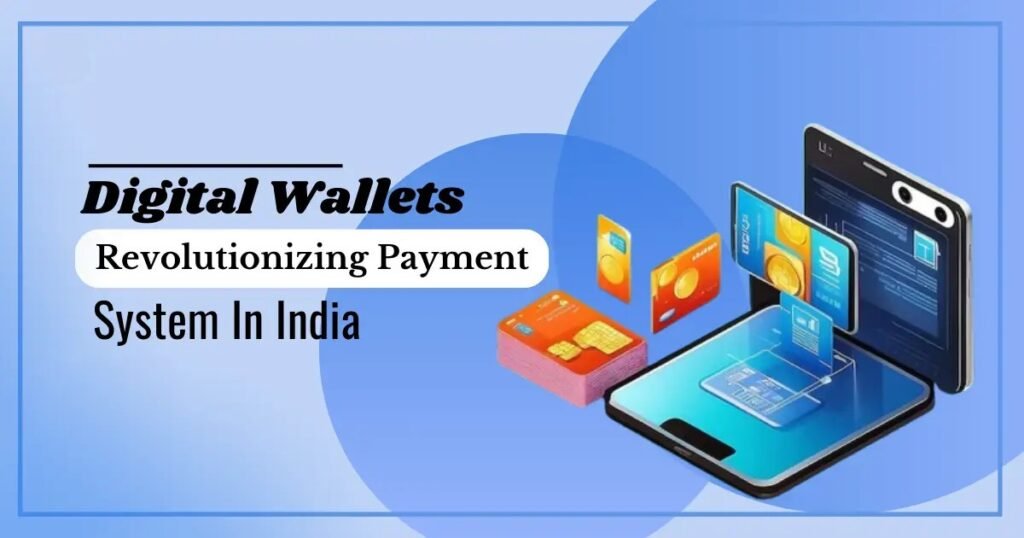
Digital wallets offer a way to modernize in-store experiences without forcing consumers to change habits. Payments, identity verification, loyalty, and promotions all converge in one familiar interface.
For merchants, this convergence enables smarter engagement strategies that bridge online and offline channels. A shopper may receive an offer digitally, redeem it in-store, verify identity seamlessly, and earn loyalty rewards — all through their wallet.
This integrated journey reduces friction while increasing trust and repeat visits.
As Campbell notes, merchants care less about channels and more about outcomes: repeat customers, higher basket sizes, and long-term loyalty. Wallet-based strategies support all three.
A Turning Point for Commerce and Consumer Identity
The integration of digital ID into mobile wallets represents a turning point in commerce. Identity, payments, loyalty, and messaging are no longer separate systems — they are converging into a single, trusted interface.
For consumers, this means fewer cards, fewer apps, and fewer steps. For retailers, it offers a powerful tool to reconnect with shoppers and bring them back into physical spaces.
While challenges remain, the trajectory is clear. As digital ID adoption expands and infrastructure matures, mobile wallets will become central to how commerce works — not just online, but in stores as well.
The future of retail will not be defined by choosing between digital and physical. It will be defined by how seamlessly the two come together. And increasingly, that convergence will happen inside the mobile wallet.
For more details https://www.apple.com/newsroom/2025/11/apple-introduces-digital-id-a-new-way-to-create-and-present-an-id-in-apple-wallet/