
Have you ever casually mentioned a product in conversation, only to see an ad for it appear in your browser minutes later? Or received a perfectly timed birthday discount from your favorite brand? It may feel uncanny — but it’s not surveillance. More often than not, it’s the power of a Digital Experience Platform (DXP) at work.
As digital ecosystems become more complex and customer expectations rise, businesses are under immense pressure to deliver seamless, hyper-personalized interactions across every channel. From websites and mobile apps to social media, email, chat platforms, and in-store kiosks, the modern customer journey is no longer linear. It’s dynamic, multi-touch, and data-driven.
Digital Experience Platforms have emerged as the infrastructure that makes all of this possible. They represent the next evolution in digital commerce and customer engagement — and they’re quickly becoming indispensable.
From Basic Websites to Intelligent Ecosystems: The Journey to DXPs
To understand why DXPs matter, it helps to look at how we got here.
When Amazon launched in 1994, ecommerce was a novelty. Businesses used basic Content Management Systems (CMS) to create websites that functioned like digital brochures. These systems allowed brands to publish content and display products, but personalization was almost nonexistent.
As digital commerce matured, customers began interacting with brands across more touchpoints — email, mobile apps, social platforms, and messaging services. Static websites were no longer enough.
The CMS Era
A traditional CMS allowed businesses to:
- Build and manage websites without heavy coding
- Use templates and plugins
- Publish and update content easily
However, CMS platforms were limited. They didn’t collect meaningful behavioral data or enable personalization at scale. They lacked sophisticated analytics, automation, and integration capabilities.
The Rise of Web Experience Management (WEM)
As social media and smartphones transformed how people shopped, Web Experience Management (WEM) systems emerged. These solutions offered improved personalization and multi-channel publishing.
WEM platforms:
- Used analytics to segment audiences
- Enabled adaptive content
- Managed campaigns across multiple channels
But they had limitations. Most were designed for marketing teams only and struggled to integrate with enterprise systems like CRM or ERP software. Lead data couldn’t flow seamlessly between departments, creating silos that hindered growth.
Enter the Digital Experience Platform (DXP)
DXPs were created to eliminate these bottlenecks.
Unlike CMS or WEM tools, DXPs are comprehensive systems designed to manage digital assets, customer data, and personalized experiences across every channel. They integrate with CRM systems, ecommerce platforms, call centers, and analytics engines to provide a complete, 360-degree customer view.
Companies like Salesforce have demonstrated how integrated digital solutions can drive agility. In fact, nearly 60% of organizations that automated workflows using Salesforce solutions reported greater flexibility during business disruptions such as the COVID-19 pandemic.
DXPs are not just marketing tools. They are enterprise-wide digital transformation engines.
What Makes DXPs Different?
At their core, DXPs combine personalization, automation, analytics, and integration into one unified architecture. They are built to anticipate customer needs and deliver content or offers at precisely the right moment.
Let’s break down what sets them apart.
1. Omnichannel Excellence
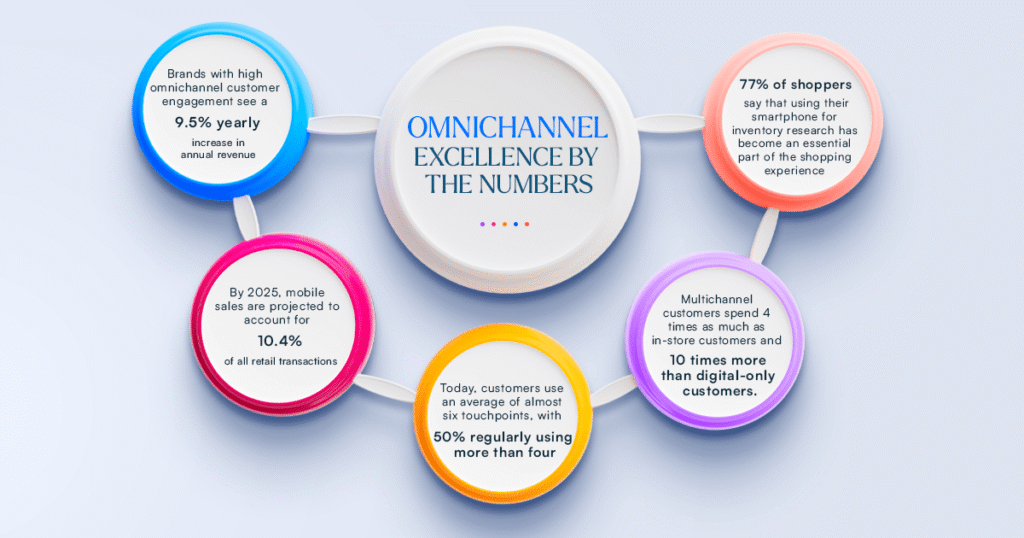
Modern customers interact with brands across multiple touchpoints — often simultaneously. They may discover a product on social media, research it on a website, inquire through a messaging app, and complete the purchase in-store.
DXPs unify these interactions.
Consider Sephora. Customers can book makeover appointments via Facebook Messenger. When they log into the website later, their appointment details appear automatically. At the store, associates can access the same information through the POS system.
That’s omnichannel done right.
Research consistently shows that delivering cohesive omnichannel experiences can significantly boost customer retention — in some cases by up to 90%. DXPs make this level of coordination possible by eliminating data silos and synchronizing information across platforms.
2. A MACH-Based Intelligent Architecture
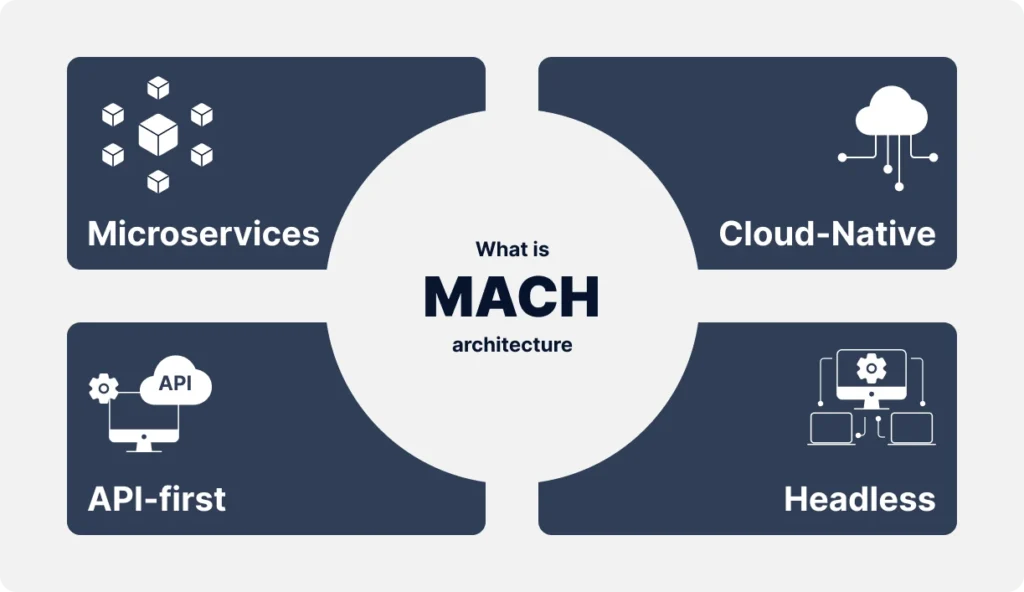
Most modern DXPs follow the MACH framework:
- Microservices
- API-first
- Cloud-native
- Headless
Instead of being a monolithic system, a DXP is composed of loosely coupled services that can be combined and scaled independently.
For example:
- Shopping cart
- Checkout
- Payment processing
- Logistics
Each can operate as a separate microservice.
This modular approach allows businesses to innovate quickly. If a company wants to add voice search functionality or integrate a new AI tool, it can do so without overhauling the entire system.
The architecture typically includes three layers:
Experience Layer – Content delivery, SEO, personalization, customer profile management.
Management Layer – Campaign creation, workflow automation, analytics, A/B testing.
Infrastructure Layer – Security, scalability, and deployment of microservices.
This layered system ensures flexibility and future readiness.
3. AI-Powered Personalization

Personalization is no longer optional. According to research from McKinsey & Company, 71% of consumers expect personalized interactions from brands.
DXPs use artificial intelligence and machine learning to analyze massive datasets — browsing habits, purchase history, campaign responses, sentiment signals — and convert them into actionable insights.
AI within DXPs can:
- Recommend products based on browsing behavior
- Personalize website layouts
- Generate dynamic email content
- Automatically create audience segments
- Trigger contextual chatbot responses
For instance, if a customer inquires about a product via WhatsApp, the next time they visit the website, that product may appear in a recommendation banner.
This is personalization at the level of an “audience of one.”
4. Seamless Integration Through APIs
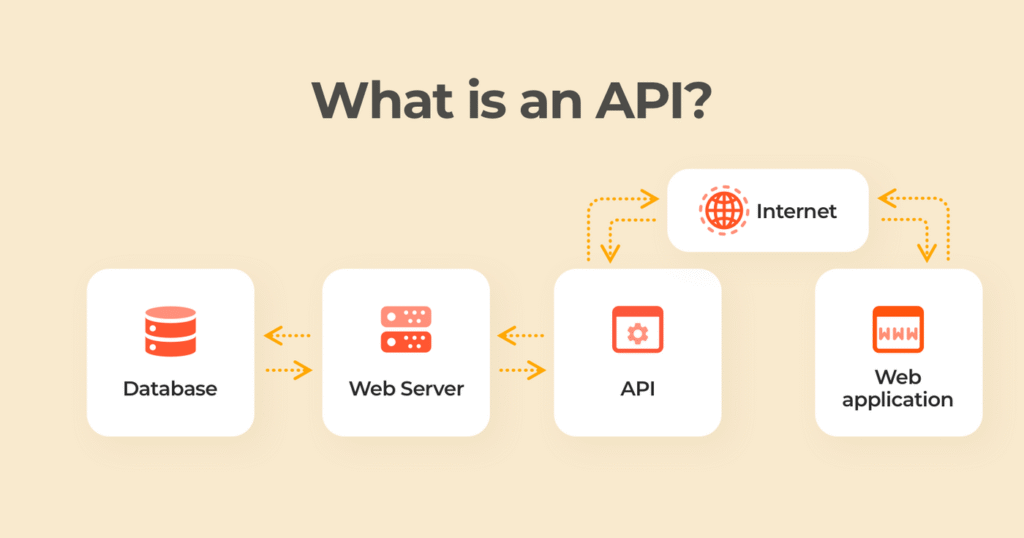
APIs are the backbone of DXP connectivity.
Through API integrations, DXPs connect to:
- CRM systems
- Ecommerce platforms
- Marketing automation tools
- Customer support software
- Payment gateways
This interconnected ecosystem enables real-time dashboards, unified reporting, and smarter decision-making.
Instead of juggling fragmented data sources, businesses gain a centralized view of customer journeys — improving both marketing effectiveness and operational efficiency.
5. Data-Driven Decision Making
DXPs automatically track KPIs across all channels. Businesses can zoom in on an individual customer journey or zoom out to evaluate campaign performance at scale.
This level of visibility helps organizations determine:
- Which channels generate the highest ROI
- Which campaigns drive conversions
- Which touchpoints contribute most to loyalty
Rather than relying on guesswork, businesses can pivot strategies using measurable insights.
Types of DXPs
As digital commerce evolved, specialized DXP models emerged.
CMS-Based DXPs
These platforms extend traditional CMS functionality with analytics and segmentation capabilities. Examples include solutions like Adobe Experience Manager and Sitecore Web Content Management.
They’re particularly useful for customer acquisition and lead nurturing.
Portal DXPs
Designed for post-sale engagement, portal DXPs focus on customer self-service and account management. They’re commonly used in industries like fintech and manufacturing, where login-based portals are essential.
These systems track metrics such as customer satisfaction and Net Promoter Score.
Composable DXPs
Composable architecture allows businesses to assemble best-of-breed solutions from multiple vendors. Instead of relying on one monolithic system, organizations combine specialized microservices through APIs.
This approach provides unmatched agility.
Commercial DXPs
Primarily used in retail, commercial DXPs manage ecommerce operations including checkout, payments, inventory, and fulfillment while also delivering personalized product content.
Should Your Business Adopt a DXP?
DXPs aren’t necessary for every organization — but they are transformative for many.
You should consider a DXP if your business:
- Operates across multiple digital touchpoints
- Serves diverse customer segments
- Relies heavily on digital channels for growth
- Struggles with disconnected backend systems
- Wants to deliver highly differentiated experiences
Businesses with siloed systems benefit the most, as DXPs centralize and synchronize operations.
Building Your DXP Strategy
Before implementing a DXP, strengthen your ecommerce foundation. Your website remains one of the most active and visible customer touchpoints.
Next:
- Identify business objectives.
- Determine whether you need a CMS-based, portal, composable, or commercial DXP.
- Evaluate integration requirements.
- Assess scalability needs.
- Prioritize customer journey mapping.
A well-planned strategy ensures your DXP investment aligns with growth goals.
Emerging Trends Shaping the Future of DXPs
Voice Interfaces
While only a small percentage of purchases are finalized through smart speakers, voice search adoption is growing rapidly. DXPs enable brands to deliver consistent experiences across voice assistants, mobile apps, and websites.
Privacy-First Personalization
With third-party cookies fading and stricter privacy laws emerging, brands must rely on first-party data. DXPs help businesses personalize experiences responsibly without intrusive tracking.
Automation at Scale
The shift toward hyper-personalization makes automation indispensable. DXPs allow marketers to focus on creativity while AI handles segmentation, recommendations, and optimization.
Flexibility as a Competitive Advantage
In an era defined by rapid change, adaptability is survival. DXPs enable organizations to integrate new technologies, adopt emerging trends, and pivot strategies quickly.
Official Website – Adobe Digital Experience Platform (DXP):
https://business.adobe.com/products/digital-experience/dxp.html