

The year 2026 has only just begun, yet companies across industries are already announcing significant workforce reductions. From global technology giants to financial institutions and retail brands, layoffs are shaping the early business landscape of the year.
Major corporations including Amazon, Citigroup, and Pinterest have confirmed job cuts, while more than 100 additional companies have filed legally required WARN notices signaling upcoming layoffs. Some of these reductions are newly announced, while others are part of ongoing restructuring efforts that began in 2025.
After three years of widespread workforce reductions across technology, media, retail, logistics, and finance, 2026 is continuing the trend — and in some sectors, accelerating it. Businesses are navigating a complex mix of artificial intelligence adoption, economic pressures, policy changes, and shifting consumer behavior.
Here’s a detailed look at the companies cutting jobs this year, the reasons behind the reductions, and what it means for the workforce moving forward.
A Heavy Start to 2026

Layoffs began almost immediately as the new year started. January alone saw tens of thousands of job cuts announced globally. For many workers, the optimism that typically accompanies a new year was quickly replaced with uncertainty.
WARN filings — mandatory notices companies must submit before conducting mass layoffs — show that over 100 employers have already indicated job reductions in 2026. These filings span industries from technology and finance to retail, logistics, and manufacturing.
The scale of the cuts suggests that companies are still adjusting their workforce sizes following aggressive hiring during the pandemic-era boom years. Now, many organizations are prioritizing operational efficiency, leaner management structures, and profitability.
Why Are Companies Cutting Jobs?
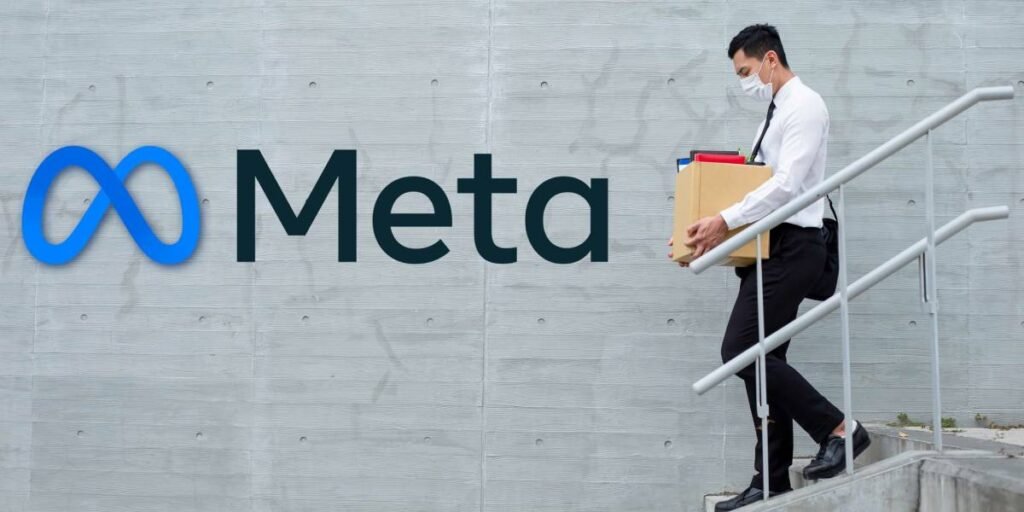
The current wave of layoffs is not being driven by a single factor. Instead, it reflects multiple forces reshaping the global business environment.
1. Economic Uncertainty and Cost Control
Although global markets have stabilized compared to the height of pandemic disruptions, companies are facing slower growth rates and tighter profit margins. Rising operational costs, cautious consumer spending, and investor pressure to maintain profitability are pushing leadership teams to cut expenses — and payroll is often the largest expense.
2. Artificial Intelligence and Automation
Artificial intelligence has become a major theme in corporate restructuring. While not every layoff is directly tied to AI, many businesses are investing heavily in automation tools that reduce the need for certain roles.
AI is increasingly capable of handling administrative tasks, data processing, customer service interactions, and even content production. As companies integrate these systems, they often reduce headcount in departments that can be automated.
At the same time, demand for AI specialists, data scientists, and machine learning engineers continues to rise. The job market is not shrinking overall — it is shifting.
3. Post-Pandemic Hiring Corrections
During 2020–2022, many companies expanded rapidly to meet surging online demand. E-commerce, digital services, streaming, and remote work tools experienced explosive growth. As growth normalized, companies found themselves overstaffed relative to current demand.
The layoffs in 2026 reflect ongoing “right-sizing” — aligning workforce levels with more realistic growth expectations.
4. Strategic Reorganization
Some companies are restructuring internally to focus on high-margin or future-facing divisions. This often means closing underperforming units or consolidating teams.
Amazon Cutting Thousands of Jobs

One of the largest layoff announcements in early 2026 came from Amazon.
The company confirmed it is eliminating thousands of corporate positions globally. These cuts follow previous rounds of layoffs in late 2025, bringing total reductions over a short period to tens of thousands of employees.
Amazon leadership stated that the restructuring aims to streamline operations, reduce layers of management, and improve accountability across divisions. While warehouse operations remain largely intact, many corporate, administrative, and technology roles are affected.
The move signals that even dominant global companies are not immune to cost pressures and strategic pivots.
Citigroup Restructures with Major Workforce Reduction

In the financial sector, Citigroup announced plans to cut approximately 20,000 jobs over the course of 2026.
The reduction represents a significant portion of the bank’s global workforce and is part of a broader multi-year transformation plan. Executives have indicated that automation, digital banking initiatives, and operational efficiency efforts are central to the restructuring.
The finance industry has been undergoing rapid digitization, with online banking platforms and AI-driven financial services reducing the need for certain traditional roles.
Pinterest Cuts Staff as It Refocuses on AI

Social media and digital platforms are also seeing reductions. Pinterest announced workforce cuts affecting roughly 15% of its employees.
The company stated that it is prioritizing investment in AI-powered product development and advertising tools. As it shifts focus toward automated content recommendations and advanced data analytics, certain teams have been downsized.
The layoffs highlight how digital platforms are reorganizing to compete in an increasingly AI-driven ecosystem.
Angi and Tailwind: Smaller Tech Firms Feeling the Pressure

Layoffs are not limited to multinational corporations. Smaller technology companies are also scaling back.
Angi, formerly known as Angie’s List, reduced its workforce by hundreds of employees as part of cost-cutting efforts. Leadership pointed to operational efficiency improvements and the impact of automation on internal workflows.
Similarly, Tailwind significantly reduced staff. The company’s leadership cited revenue challenges and AI-driven disruption in its market as contributing factors.
For smaller firms, competition from AI-powered tools can dramatically alter business models, sometimes forcing rapid restructuring.
Other Companies Announcing Layoffs

Beyond these headline names, numerous other companies across sectors have filed WARN notices or announced staff reductions. These include retail brands, telecommunications providers, logistics firms, and manufacturers.
Some layoffs are part of previously announced cost-reduction programs, while others reflect new strategic decisions made in response to current economic conditions.
Retailers are adjusting to changing consumer spending patterns. Logistics companies are recalibrating delivery networks. Media firms are restructuring in response to digital transformation. The trend is widespread.
The Human Impact of Layoffs

While corporate announcements focus on numbers and strategy, layoffs have deep human consequences.
Each eliminated position represents:
- A family adjusting to income uncertainty
- A professional reassessing career direction
- A community losing economic stability
Job loss can trigger financial stress, mental health challenges, and relocation decisions. Even employees who remain in their roles often experience anxiety about future cuts.
Many companies offer severance packages and career transition support, but the emotional toll can still be significant.
The Role of Artificial Intelligence: Job Killer or Job Shifter?
Artificial intelligence is frequently cited as a reason for restructuring. However, its role is complex.
AI systems can:
- Automate customer support interactions
- Process large volumes of financial data
- Generate marketing materials
- Improve supply chain logistics
As these tools become more sophisticated, companies may need fewer employees in certain roles. However, AI also creates demand for:
- Data engineers
- Machine learning specialists
- AI ethics professionals
- Cybersecurity experts
Industry surveys suggest that while AI may eliminate some positions, it will create new ones in emerging sectors by 2030.
The challenge lies in transition — helping displaced workers retrain for future-ready careers.
Industries Most Affected in 2026
Several sectors are experiencing particularly heavy workforce reductions:
Technology
Tech companies that expanded aggressively during pandemic growth are continuing to correct staffing levels.
Finance
Banks and fintech firms are digitizing operations and reducing traditional roles.
Retail
Brick-and-mortar retailers face pressure from e-commerce competition and shifting consumer habits.
Logistics
Delivery companies are restructuring networks and reducing lower-margin contracts.
Media
Digital transformation continues to reshape advertising and content production.
Is This a Recession Signal?
Despite the high volume of layoffs, economists caution against automatically labeling the trend as a recession indicator.
Unemployment rates in many regions remain relatively stable. In some cases, laid-off workers are quickly finding new opportunities, particularly in technology-adjacent fields.
Instead of a broad economic collapse, the layoffs may reflect structural transformation — a shift toward automation, leaner operations, and AI integration.
What Workers Can Do
In a rapidly evolving job market, professionals may need to take proactive steps:
- Upskill in high-demand areas such as AI, cloud computing, and data analytics.
- Build adaptable skill sets rather than narrow expertise.
- Maintain professional networks and update resumes regularly.
- Consider industries experiencing growth rather than contraction.
Continuous learning is becoming essential in a workforce shaped by automation.
For more details Official Website: https://www.amazon.com