
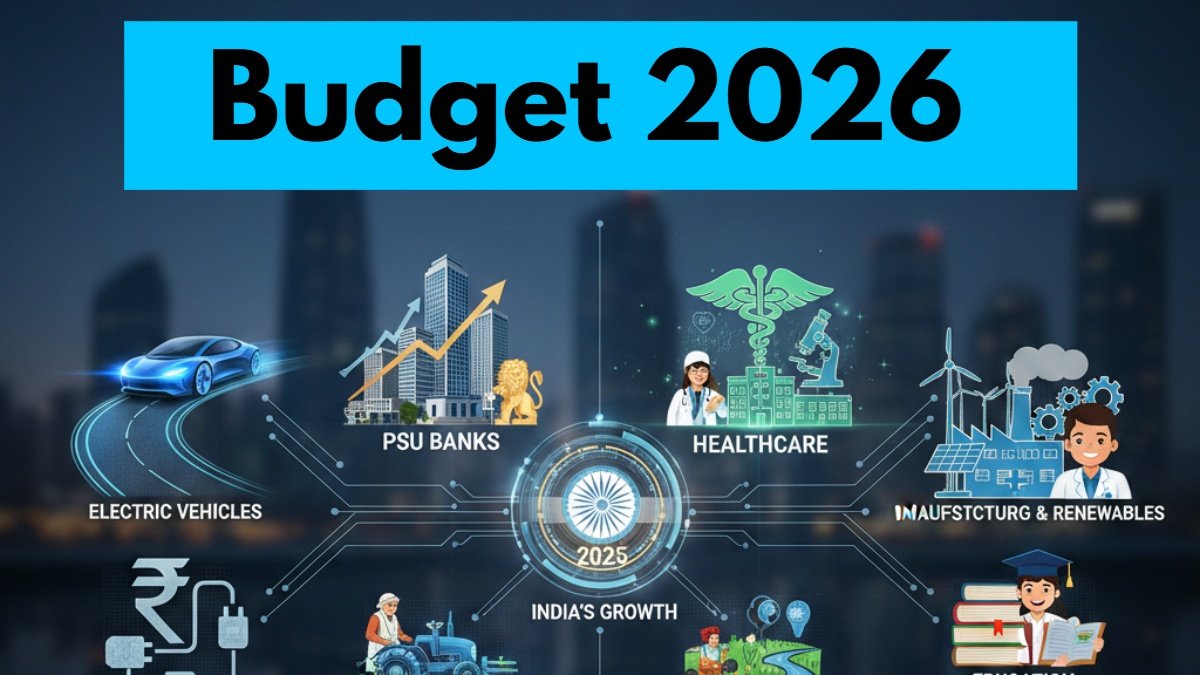
India’s e-commerce sector stands at a critical inflection point as the country prepares for the Union Budget 2026. What began as a convenience-driven urban phenomenon has now evolved into a nationwide digital marketplace connecting millions of sellers, consumers, logistics providers, and technology platforms. From kirana stores selling online to global brands entering Indian marketplaces, e-commerce has become a backbone of India’s digital economy.
As expectations from Budget 2026 rise, industry leaders are calling not just for big announcements, but for practical reforms that simplify regulations, strengthen digital infrastructure, and enable long-term scalability. The consensus across the sector is clear: growth is happening, but complexity is slowing it down.
India’s E-Commerce Moment: Growth With Growing Pains

India is currently one of the fastest-growing e-commerce markets in the world. With rising smartphone penetration, affordable data, and expanding digital payments, online commerce now touches even Tier-2, Tier-3, and rural markets. Millions of small sellers rely on digital platforms to reach customers they could never access offline.
However, with scale has come complexity. Multiple compliance requirements, GST-related ambiguities, cross-border taxation hurdles, and uneven digital infrastructure have created friction for both sellers and platforms. While startups and MSMEs are eager to expand, many find themselves spending more time navigating regulations than building businesses.
Industry experts believe Budget 2026 could be a turning point—if policy focus shifts from ambition to execution.
A Call for Stronger Digital Foundations

Vamsi Bandi, entrepreneur, geopolitical strategist, and author of The Human Rules of Digital Marketing That Work, sees the upcoming Budget as a crucial opportunity to strengthen the digital backbone of India’s economy.
“As India’s e-commerce ecosystem matures, Budget 2026 becomes a critical moment to reinforce the infrastructure that supports millions of sellers and consumers,” Bandi said. According to him, the focus must go beyond headline-grabbing initiatives and move towards building systems that can sustain long-term growth.
He emphasized that MSME digitisation should remain at the heart of government policy. While large platforms have access to capital and technology, small and medium sellers still struggle with onboarding costs, compliance, and access to digital tools.
MSME Digitisation: From Participation to Competitiveness
India’s e-commerce success is closely tied to its MSME sector. Small businesses form the bulk of sellers on online marketplaces, yet many remain digitally under-equipped. Budget 2026, experts say, should introduce targeted incentives that help MSMEs move from basic online presence to true digital competitiveness.
This could include:
- Subsidised access to e-commerce tools and software
- Tax incentives for technology adoption
- Training programs for digital marketing, data analytics, and AI-driven commerce
- Simplified onboarding processes for government-backed digital platforms
Bandi believes such measures would allow MSMEs not only to survive online but to build strong brands capable of competing in domestic and international markets.
Logistics Infrastructure: The Silent Growth Engine
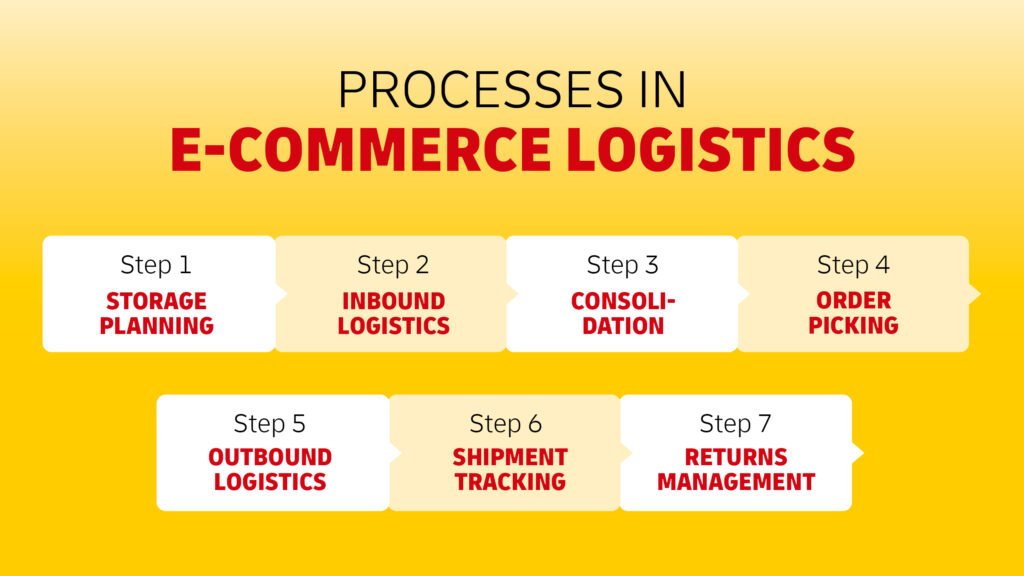
One of the biggest challenges for Indian e-commerce remains logistics—especially outside metro cities. High delivery costs, delayed shipments, and inconsistent warehousing infrastructure eat into seller margins and customer trust.
Industry voices are urging the government to invest further in:
- Last-mile delivery networks
- Multi-modal logistics parks
- Rural warehousing and fulfilment centres
- Digitised supply chain systems
Improved logistics infrastructure would directly impact seller profitability, faster deliveries, and customer satisfaction—key drivers of repeat purchases in e-commerce.
Cross-Border E-Commerce: India’s Untapped Opportunity

India’s digital sellers are no longer thinking only about domestic markets. Cross-border e-commerce presents a massive opportunity for Indian brands to reach global consumers, particularly in categories like fashion, handicrafts, wellness, and consumer electronics.
However, exporters face multiple hurdles:
- Complex customs processes
- Unclear GST rules for exports
- Foreign exchange compliance issues
- Limited awareness of international regulations
Bandi suggests that Budget 2026 should include incentives and simplified frameworks for cross-border e-commerce, making it easier for Indian sellers to sell globally without excessive compliance burdens.
GST Simplification: The Industry’s Loudest Demand

If there is one issue that unites the entire e-commerce ecosystem, it is GST complexity.
Somdutta Singh, Serial Entrepreneur and Founder & CEO of Assiduus Global, highlights how regulatory uncertainty continues to drain operational bandwidth from businesses.
“Many e-commerce companies today spend more time managing compliance than focusing on growth,” Singh said. “One of the biggest expectations from Budget 2026 is clearer and simpler GST structures, especially for marketplace-led and cross-border business models.”
Marketplace sellers often deal with:
- Multiple GST registrations across states
- Input tax credit mismatches
- Confusion around digital services taxation
- Cash flow disruptions due to delayed refunds
For smaller sellers, these issues can be overwhelming, sometimes discouraging them from scaling operations altogether.
Cash Flow Relief: A Survival Issue for Sellers
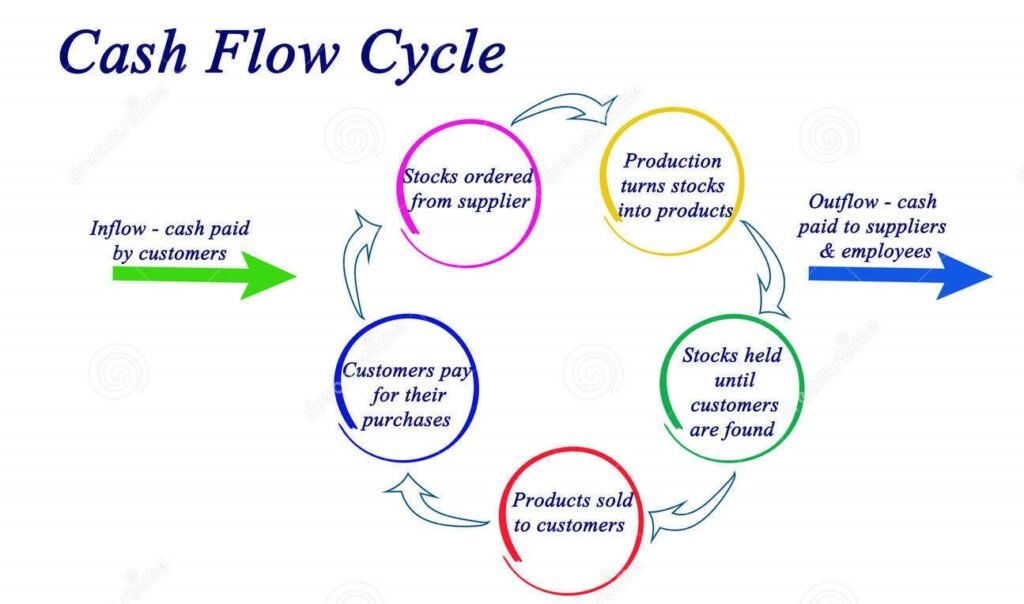
Cash flow remains a persistent concern for e-commerce sellers, particularly MSMEs. Delayed GST refunds, complex reconciliation processes, and compliance penalties often lock up working capital.
Industry leaders are calling for:
- Faster GST refund mechanisms
- Simplified return filing processes
- Reduced compliance frequency for small sellers
- Technology-driven GST reconciliation systems
Singh notes that cash flow relief is not just a financial issue—it directly impacts hiring, inventory management, and business expansion.
Digital Infrastructure: Beyond Urban India

While urban India enjoys relatively strong digital infrastructure, rural and semi-urban regions still face connectivity gaps. Yet these areas represent the next wave of e-commerce growth.
Experts believe Budget 2026 should prioritise:
- Expansion of high-speed internet in rural areas
- Affordable data access for small sellers
- Support for digital payments infrastructure
- Integration of local languages into digital platforms
Bandi also points to investments in AI and data analytics as game-changers that could help sellers understand consumer behaviour, optimise pricing, and personalise marketing—capabilities currently limited to larger players.
AI, Data, and the Future of E-Commerce

Artificial intelligence and data-driven commerce are rapidly reshaping global e-commerce. From inventory forecasting to customer experience, AI is becoming essential rather than optional.
Policy support for:
- AI adoption by MSMEs
- Ethical data usage frameworks
- Affordable access to analytics tools
could help level the playing field between large platforms and small sellers. According to industry experts, Budget 2026 has the potential to democratise advanced technology, ensuring innovation is not limited to a few big players.
From Policy Intent to Practical Impact
Over the years, India has introduced several initiatives to promote digital trade, entrepreneurship, and MSMEs. However, execution gaps often dilute their impact.
Industry leaders stress that Budget 2026 should focus on:
- Clear guidelines instead of frequent rule changes
- Single-window compliance systems
- Predictable tax policies
- Stakeholder consultation before major reforms
Such measures would create confidence among investors, platforms, and sellers alike.
The Bigger Picture: Building a Sustainable Digital Economy
India’s e-commerce sector is no longer a niche industry—it is a major employer, a driver of innovation, and a gateway for millions of entrepreneurs. The expectations from Budget 2026 reflect the sector’s maturity and its desire for stability rather than short-term incentives.
Simpler rules, robust digital infrastructure, and GST clarity could unlock the next phase of growth—one that is inclusive, scalable, and globally competitive.
As Somdutta Singh puts it, the goal should be to ensure businesses spend less time untangling regulations and more time building products, serving customers, and expanding markets.
If Budget 2026 delivers on these fronts, it could mark a defining chapter in India’s e-commerce journey—transforming today’s momentum into long-term digital leadership.
Official Union Budget 2026 portal — Government of India:
https://www.indiabudget.gov.in/ — the Government of India’s official budget site with details, documents, and downloads for the Union Budget 2026‑27.