

Choosing the right products to sell online is one of the most important decisions you’ll make as an ecommerce entrepreneur. No matter how good your website design, marketing strategy, or customer service is, success ultimately depends on whether people actually want to buy what you’re selling.
As ecommerce continues to grow at a rapid pace, brands must dig deeper to understand customer behavior — what people want to buy, how they shop, and where they prefer to shop. The foundation of every successful online business starts with smart product research. Without it, even the best ideas can fail to gain traction.
This Best Products to Sell Online | Complete Ecommerce Guide will walk you through a practical, research-driven approach to finding profitable products to sell online. From identifying unmet customer needs to validating ideas, analyzing competitors, and choosing the right product category, you’ll learn how to bring the right products to market with confidence.
Why Product Research Matters More Than Ever

Launching an online business is exciting, but it comes with a crucial question: what should you sell? Choosing the best products to sell online is key to success. The most successful products typically achieve at least one of the following:
- Solve a real problem
- Reduce or eliminate a pain point
- Serve a passion or lifestyle
Ideally, the product you choose should meet two criteria:
- Customers genuinely want to buy it
- You can realistically source, create, or supply it
For example, if you’re planning to sell a complex digital product, you must ensure it’s compatible across platforms and devices. If you’re selling handmade goods, you’ll need reliable artisans or manufacturing partners. A great idea means little if it can’t be executed effectively.
This Best Products to Sell Online | Complete Ecommerce Guide emphasizes that thorough product research helps reduce risk by ensuring there’s real demand before you invest time, money, and effort into development and marketing.
Start by Identifying an Unmet Customer Need

Every strong product idea starts with a gap in the market. An unmet need usually means one of two things:
- No existing product serves the need
- Existing products fail to meet customer expectations
These gaps represent opportunities. Your job is to uncover them.
To discover these opportunities, look for frustrations, complaints, or repeated questions customers ask online. Review product feedback, browse forums, explore Reddit threads, scan social media comments, and read ecommerce reviews. When people consistently complain about the same issue, you may have found a product opportunity.
This Best Products to Sell Online | Complete Ecommerce Guide shows how identifying market gaps can lead to profitable products that meet real customer needs, giving your online business a competitive edge.
Conduct Thorough Market Research

Once you have a potential product idea, the next step is market validation. To build a successful online business, you need to confirm whether there’s enough demand for your idea.
Key questions to answer include:
- How large is the potential market?
- Who are the target customers?
- Is demand growing or declining?
- How competitive is the space?
Market research allows you to separate long-term opportunities from short-lived trends. While viral products can generate quick sales, sustainable businesses are built on growing or stable markets.
Tools That Can Help
Modern product research is powered by data and AI-enhanced platforms. Useful tools include:
- Google Trends: Track interest over time and spot seasonal patterns
- Trend Hunter: Identify emerging consumer trends
- Helium 10 & Jungle Scout: Analyze Amazon product demand, competition, and sales estimates
- Ecomhunt & Niche Scraper: Discover trending ecommerce products
- AliExpress Dropshipping Center: Source products and test demand quickly
These tools don’t replace judgment, but they help validate ideas with real data. Using this Best Products to Sell Online | Complete Ecommerce Guide, you can confidently choose products with proven demand and reduce the risk of investing in items that won’t sell.
Study Your Competitors Closely

Competitor research is one of the most valuable steps in product discovery. Instead of guessing what works, study brands already serving your target audience to uncover insights for your own business.
Pay attention to:
- Product features and variations
- Pricing strategies
- Customer reviews and ratings
- Brand messaging and positioning
- Strengths and weaknesses
Customer reviews are especially valuable. They reveal what buyers love — and what frustrates them. Complaints about poor quality, slow shipping, confusing instructions, or missing features highlight opportunities for improvement.
Also review competitor websites, social media accounts, and SEO strategies. Observe how they attract traffic, engage customers, and convert visitors into buyers. These insights can guide both product design and marketing decisions.
Using this Best Products to Sell Online | Complete Ecommerce Guide, you can leverage competitor research to identify gaps, refine your offerings, and create products that outperform the competition.
Understand Your Target Market

You can’t sell effectively unless you deeply understand your ideal customer. Your target market includes people most likely to buy and benefit from your product.
Research factors such as:
- Age and location
- Income level and lifestyle
- Interests and hobbies
- Shopping habits and buying triggers
- Preferred platforms (social media, marketplaces, websites)
Also consider when customers buy. Is the product seasonal? Is it a replacement purchase? Is it impulse-driven or carefully researched?
The better you understand your audience, the easier it becomes to design products, craft messaging, and choose the right sales channels.
Look for Product Opportunity Gaps

A product opportunity gap occurs when customer needs aren’t fully met by existing solutions. These gaps can be discovered through:
- Market research data
- Trending topics on social media
- Search behavior analysis
- Customer complaints and feature requests
Once identified, you can either improve an existing product or create something entirely new. Many successful ecommerce brands didn’t invent new categories — they simply made better versions of what already existed.
Choosing the Right Type of Product to Sell
The type of product you choose directly impacts pricing, branding, profit margins, and marketing strategy. Let’s explore the main categories.
1. Commodities
Commodities are basic goods with little differentiation, such as coffee beans, raw materials, or electronic components. Customers buy them primarily for utility and price.
Because competition is high, success often depends on:
- Efficient sourcing
- Competitive pricing
- Added value
For example, meal kit services transformed basic groceries into convenient, premium offerings by bundling ingredients with recipes and delivery.
2. Niche Products
Niche products target a specific audience with specialized needs or preferences. Examples include handmade art, bespoke clothing, or specialty fragrances.
Niche products often allow:
- Higher profit margins
- Less price sensitivity
- Strong brand loyalty
Direct-to-consumer ecommerce has made it easier than ever for niche brands to reach their ideal customers without relying on mass retailers.
3. Physical Products
Selling physical products online requires overcoming one major challenge: customers can’t touch or try the product.
To compensate, successful ecommerce brands use:
- High-resolution images
- Detailed descriptions
- Product videos
- Interactive configurators
Clear and accurate product listings build trust and reduce returns by setting proper expectations.
4. Digital Products
Digital products are among the easiest and most scalable items to sell online. They require no manufacturing, storage, or shipping.
Examples include:
- Online courses and ebooks
- Software and tools
- Digital art and templates
- Webinars and gated content
Once created, digital products can be sold repeatedly at minimal cost, making them highly profitable.
5. High-Demand and Trending Products
Trending products often experience rapid spikes in demand, driven by social media, pop culture, or seasonal events.
These products can generate strong short-term revenue, but they also carry risk. Demand may fade quickly. When selling trending products, timing, keyword optimization, and channel selection (Amazon, TikTok, Walmart, etc.) are critical.
The Five Stages of Product Development

Once you’ve selected a product idea, it’s time to move through the development process.
1. Idea Stage
Start with brainstorming based on research insights. Define the product’s purpose, core features, and target audience.
2. Idea Validation Stage
Validate feasibility and demand. Determine how the product will be made, delivered, and supported. Develop a prototype or mockup and gather feedback from potential users.
3. Product Development Stage
Design and build the product based on validated specifications. This may involve manufacturers, developers, or designers depending on the product type.
4. Testing Stage
Before launch, test the product thoroughly. Ensure it functions as expected and meets customer expectations.
5. Launch Stage
Develop a go-to-market strategy covering pricing, promotion, and distribution. Build anticipation and awareness before release.
Creating a Strong Product Launch Strategy
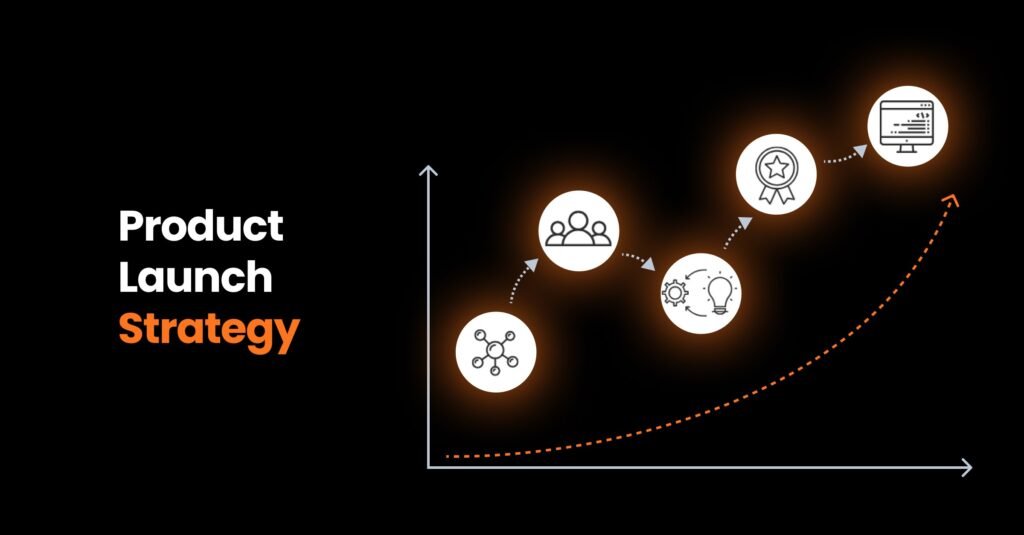
A successful launch doesn’t happen by accident. It’s the result of thoughtful planning and storytelling.
Ways to generate excitement include:
- Email marketing campaigns
- Homepage product highlights
- Influencer partnerships
- Social media promotion on platforms like Instagram and TikTok
Your product’s story matters. Whether it’s your brand’s origin, ethical sourcing, or innovative design, compelling narratives help customers connect emotionally.
Why a Multi-Platform Strategy Matters

Today’s consumers discover products across multiple channels. Nearly half of U.S. shoppers rely on social media to learn about brands.
To maximize reach:
- Sell on your own website
- List products on major marketplaces like Amazon or Etsy
- Promote through social media and content marketing
Managing multiple channels doesn’t have to be overwhelming. Shopping feed management tools can help synchronize product listings, pricing, and inventory across platforms.