

The way consumers shop online is changing faster than ever before. For years, traditional search engines defined how users discovered products, pushing e-commerce platforms to focus heavily on SEO and keyword rankings. Today, a new shift is underway. AI chatbot visibility in e-commerce is becoming a critical growth factor as Large Language Model (LLM) chatbots like ChatGPT, Google Gemini, Claude, and Perplexity transform how people search, compare, and buy products online.
Recognizing this shift, leading marketplaces such as Amazon India and Flipkart are actively reworking their product listings to improve visibility on AI-powered chatbots. This move marks a turning point in digital commerce—where LLM search optimization and Generative Engine Optimization (GEO) may soon become as important as traditional SEO.
In this article, we explore how AI chatbot visibility in e-commerce is reshaping online retail, why major platforms are adapting to this change, and what it means for brands, sellers, and the future of online shopping.
The Shift from Search Engines to AI Chatbots in E-Commerce
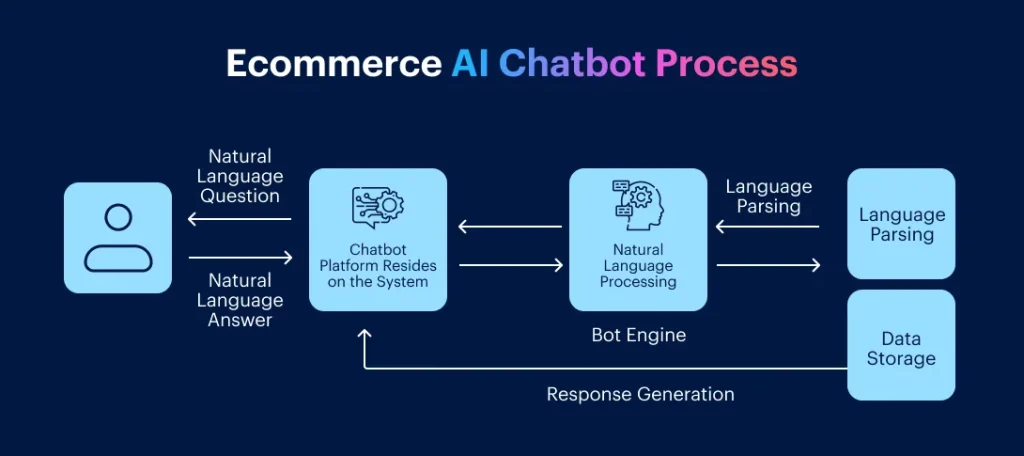
For decades, search engines like Google dictated how consumers found products online. Shoppers typed keywords, scanned results, and clicked links. However, AI chatbot visibility in e-commerce is now redefining this journey.
Instead of browsing multiple pages, users are increasingly asking conversational questions such as:
- “What is the best budget smartphone under ₹15,000?”
- “Which grocery brand delivers fastest near me?”
- “Compare washing machines with same-day delivery.”
AI chatbots respond with curated answers, often including direct product recommendations. This evolution forces e-commerce platforms to rethink how product information is structured, written, and presented to AI systems.
Amazon India and Flipkart Lead the Race for AI Chatbot Visibility in E-Commerce
Amazon India’s ChatGPT Search Optimization Pilot
Industry sources reveal that Amazon India has started piloting ChatGPT search optimization for selected product categories. The goal is to enhance AI chatbot visibility in e-commerce by ensuring Amazon listings appear prominently when users ask shopping-related questions on LLM platforms.
Unlike traditional SEO, Amazon is focusing on:
- Conversational product descriptions
- Natural language prompts
- Context-driven buyer intent
If successful, this pilot is expected to scale across categories. Amazon has confirmed its broader investment in AI-driven search and discovery to improve personalization and relevance for users.
Flipkart’s Move Toward Generative Engine Optimization (GEO)
Flipkart, backed by Walmart, is also stepping up efforts to improve AI chatbot visibility in e-commerce. Reports suggest Flipkart is working with third-party firms specializing in Generative Engine Optimization (GEO).
Flipkart’s strategy focuses on:
- Structuring product data for AI comprehension
- Improving accuracy in chatbot-generated responses
- Gaining early advantage in AI-led product discovery
The company has acknowledged that LLM optimization is key to making product information more accessible across emerging AI platforms.
What Is Generative Engine Optimization (GEO)?

Generative Engine Optimization (GEO) is the next evolution of digital optimization. While SEO aims to rank web pages on search engines, GEO focuses on ensuring products and content are recommended by AI chatbots.
GEO vs Traditional SEO
- SEO focuses on keywords and backlinks
- GEO focuses on intent, context, and structured data
- SEO targets SERPs
- GEO targets AI-generated answers
For AI chatbot visibility in e-commerce, rankings depend on factors such as price, delivery speed, availability, location, and relevance to the user’s query.
Startups Powering AI Chatbot Visibility in E-Commerce
The rise of GEO has fueled new startups helping brands optimize for AI-driven discovery. Companies like Consumable AI, Siftly, Asva AI, and Clapp AI are building tools to improve AI chatbot visibility in e-commerce.
These platforms analyze thousands of data points to identify:
- Common chatbot prompts
- Most referenced product attributes
- Optimal keyword structure for LLMs
Experts note that in LLM optimization, how information is structured matters more than keyword repetition.
NPCI, BigBasket, and ChatGPT: A Turning Point

The evolution of AI chatbot visibility in e-commerce accelerated when NPCI integrated UPI payments with ChatGPT, in partnership with Razorpay and BigBasket.
What This Pilot Enables
- Shopping directly through ChatGPT
- Seamless UPI payments
- No need to open external apps
This pilot showed how AI chatbots could move beyond discovery into complete transaction platforms, reshaping the e-commerce funnel.
From AI Chatbot Visibility to Agentic Commerce
What Is Agentic Commerce?
Agentic commerce is the next stage of AI-led shopping, where AI agents:
- Search for products
- Compare options
- Place orders
- Complete payments
For e-commerce platforms, improving AI chatbot visibility in e-commerce is the foundation for this future.
Shopify, Walmart, and AI-Led Commerce Expansion

Major platforms are already adapting:
- Shopify allows merchants to sell directly via AI interfaces
- Walmart announced Instant Checkout through ChatGPT
- Etsy partnered with ChatGPT for conversational shopping
- Perplexity AI integrated Shopify and PayPal
These developments indicate a future where websites become data sources, not destinations.
Amazon’s AI Shopping Assistant: Rufus
Amazon has also introduced Rufus, its AI shopping assistant designed to improve internal product discovery. Rufus helps users ask questions, compare products, and navigate Amazon’s catalog—further strengthening AI chatbot visibility in e-commerce within Amazon’s ecosystem.
Legal and Competitive Challenges
The rapid growth of AI-led commerce has sparked legal debates. Amazon recently issued a notice to Perplexity AI, objecting to AI agents making purchases on Amazon without authorization.
This highlights growing concerns around:
- Platform control
- Data ownership
- Revenue attribution
- Brand visibility
As AI chatbot visibility in e-commerce increases, regulatory frameworks will need to evolve quickly.
Why AI Chatbot Visibility in E-Commerce Matters for Brands
Changing Consumer Trust
Consumers increasingly rely on AI-generated recommendations. If a product doesn’t appear in chatbot responses, it risks becoming invisible.
First-Mover Advantage
Early adopters of AI optimization gain:
- Higher discovery rates
- Stronger AI relevance signals
- Long-term competitive advantage
Reduced Dependence on Paid Ads
How Product Listings Are Optimized for AI Chatbots

To boost AI chatbot visibility in e-commerce, platforms now focus on:
- Conversational descriptions
- Structured product attributes
- Context-aware titles
- Real-time inventory and delivery data
These changes help AI models generate accurate and useful shopping responses.
What This Means for Sellers and Merchants
For sellers on Amazon, Flipkart, and other platforms, AI optimization introduces new priorities:
- Listing optimization beyond SEO
- Understanding conversational search
- Accurate product metadata
- Competitive pricing and fast delivery
Sellers who adapt early to AI chatbot visibility in e-commerce stand to gain higher visibility and sales.
The Future of Online Shopping Is AI-First
The convergence of AI chatbots, instant payments, personalization, and agentic commerce is reshaping digital retail.
In the coming years:
- Shopping will start inside chat interfaces
- AI agents will replace search bars
- E-commerce platforms will compete for AI visibility
By optimizing for AI chatbot visibility in e-commerce today, Amazon, Flipkart, and other leaders are building the foundation of tomorrow’s AI-driven shopping ecosystem.