
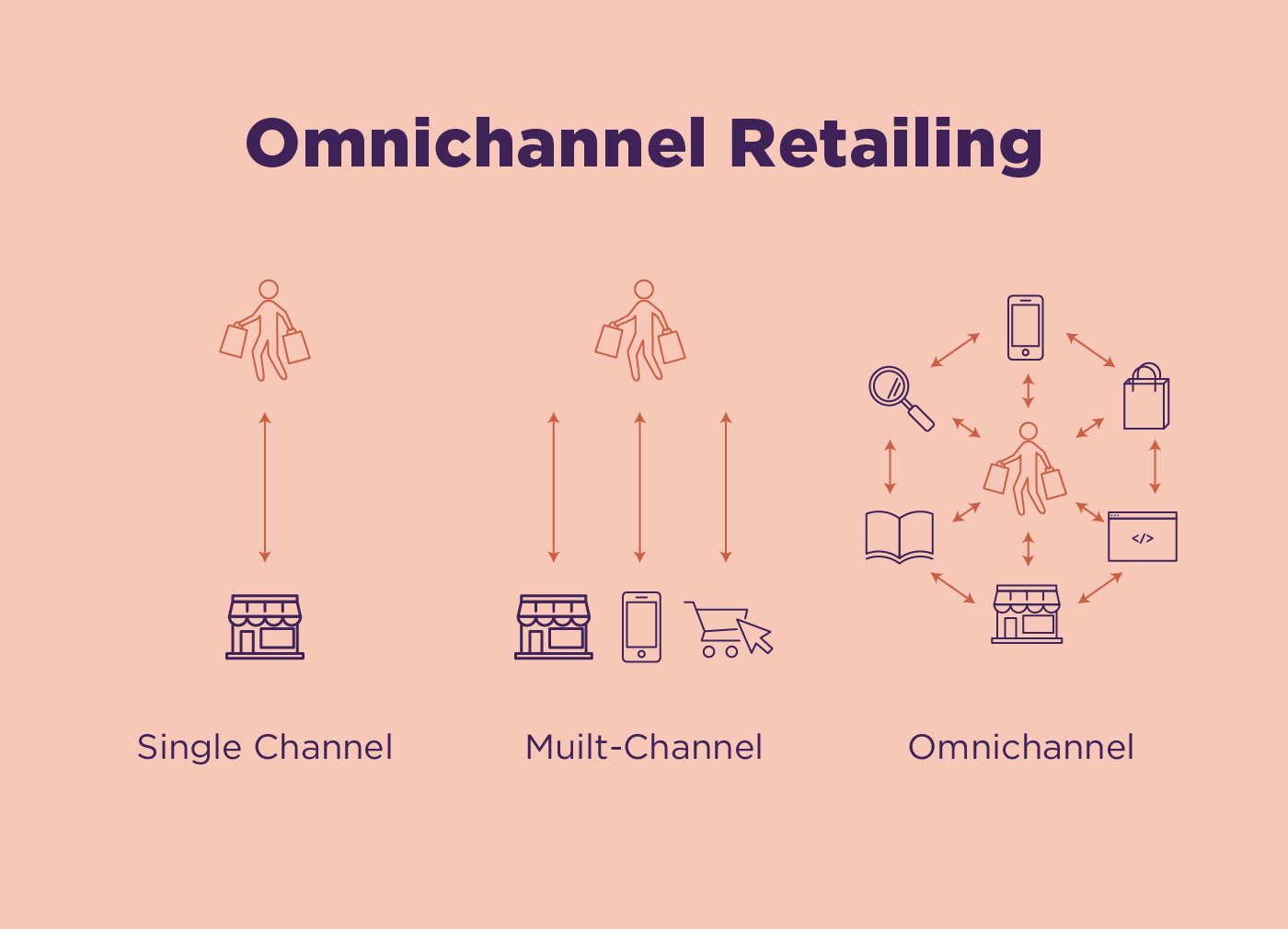
The way people shop has transformed dramatically over the past decade. What once followed a predictable path—visit a store, compare products, and make a purchase—has evolved into a dynamic, multi-touch journey shaped by digital technology.
Today, a customer might discover a product on social media, research reviews on Google, compare prices on a marketplace, check availability at a nearby store, and complete the purchase via a mobile app. This seamless flow across platforms is no longer a luxury; it is an expectation.
At the center of this shift lies omnichannel retail—a strategy that integrates online, mobile, marketplace, and physical store experiences into one cohesive ecosystem. Retailers who adopt three or more channels consistently see stronger engagement, higher retention, and improved lifetime customer value compared to those operating through a single channel.
Let’s explore what omnichannel retail truly means, why it matters, the challenges it presents, and how businesses can use it to stay competitive in today’s fast-moving marketplace.
The Evolution of Shopping Behavior
Shopping today is driven by convenience and accessibility.
Mobile devices provide 24/7 access to products and brands. Marketplaces like Amazon make browsing, comparing, and purchasing effortless. Social media platforms influence buying decisions at every stage—from discovery to checkout.
Consumers now begin their shopping journey in multiple places:
- Social media feeds
- Search engines
- Marketplaces
- Brand websites
- Physical stores
Because these touchpoints overlap, brands must ensure a consistent experience everywhere customers interact with them. Being present in just one place is no longer enough.
Research suggests that as many as 91% of retail consumers are omnichannel shoppers—meaning they engage with brands across multiple channels before making a purchase. This shift requires businesses to rethink how they design and manage the entire customer journey.
What Is Omnichannel Retail?
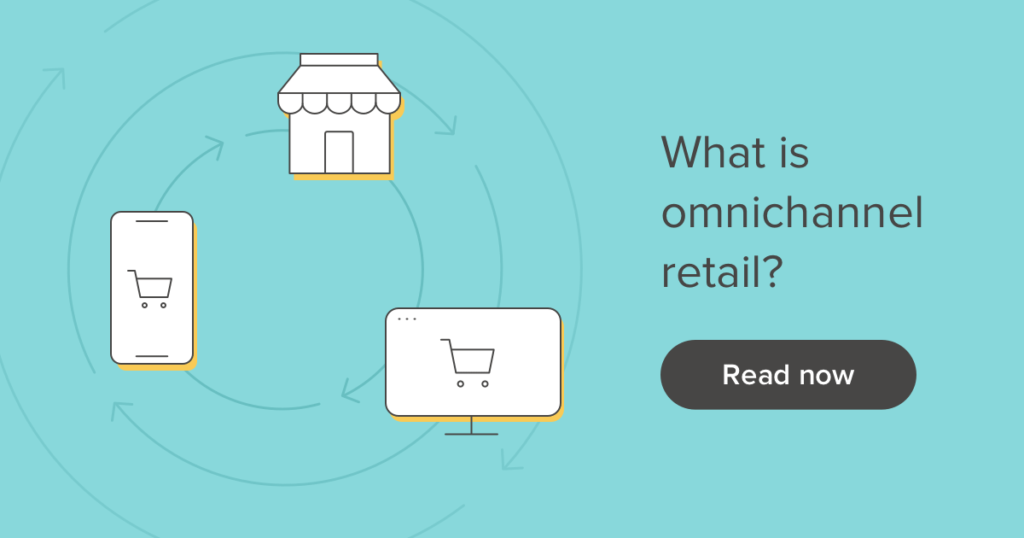
Omnichannel retail is a comprehensive strategy that unifies every customer touchpoint—ecommerce websites, mobile apps, marketplaces, social platforms, and physical stores—into one integrated system.
Rather than operating channels independently, omnichannel retail connects them so customers experience:
- Consistent pricing
- Unified promotions
- Real-time inventory visibility
- Seamless customer service
For example, a shopper might:
- Browse products on a mobile app.
- Check local store availability online.
- Reserve the item digitally.
- Pick it up in-store at the same price advertised online.
Every step feels connected, not fragmented.
This integration transforms physical stores into hybrid hubs. Features like in-store pickup, mobile checkout, and digital product access blur the lines between online and offline retail.
Omnichannel vs. Multichannel vs. Single-Channel
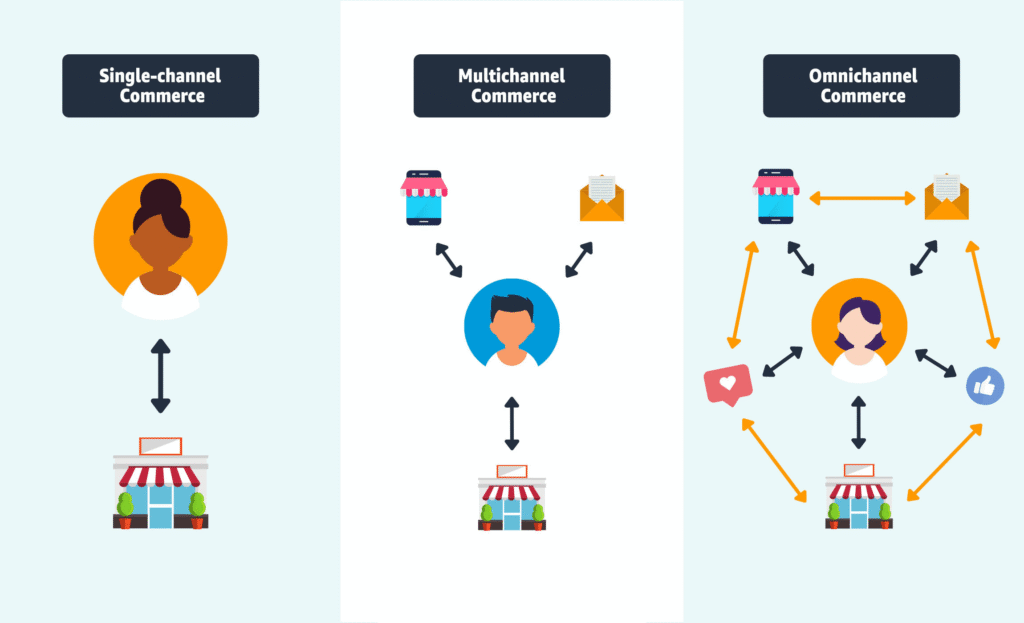
To understand omnichannel retail, it helps to compare it with other retail models.
Single-Channel Retail
Single-channel retailers focus exclusively on one sales avenue—such as a physical store, ecommerce website, or marketplace. While this approach allows full attention on one channel, it limits customer reach and flexibility.
Multichannel Retail
Multichannel retailers operate across multiple platforms but manage them separately. For example, a brand may have both a website and a physical store, but pricing, inventory, and customer data are not integrated.
Omnichannel Retail
Omnichannel retail goes further by integrating all channels into one unified system. Data flows freely between platforms, and customers experience consistency regardless of where they shop.
In simple terms:
- Single-channel = One place to shop
- Multichannel = Multiple places, disconnected
- Omnichannel = Multiple places, fully connected
Why Omnichannel Matters More Than Ever

Modern consumers prioritize convenience. In fact, studies show that 77% of U.S. shoppers abandon purchases when there’s too much friction in the buying process.
They expect:
- Fast delivery
- Transparent pricing
- Easy returns
- Personalized recommendations
- Flexible payment options
Retailers who meet customers wherever they are—online, mobile, in-store—win their loyalty.
Key Benefits of an Omnichannel Strategy
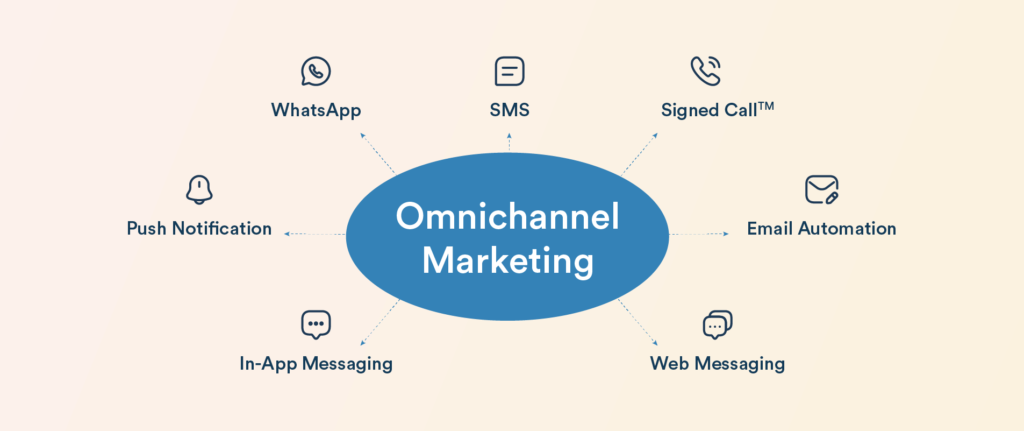
When executed effectively, omnichannel retail delivers measurable business value across three major areas: customer experience, loyalty, and operational efficiency.
1. Enhanced Customer Experience
A seamless shopping journey allows customers to interact with brands in ways that suit their preferences. Whether browsing online or visiting a store, the experience remains consistent.
This reduces friction and builds trust.
2. Improved Brand Loyalty
Consistency across touchpoints fosters familiarity. Customers who encounter the same messaging, service quality, and personalized offers across platforms are more likely to return.
Integrated loyalty programs that function online and offline further strengthen relationships.
3. Higher Conversion Rates
By analyzing customer behavior across channels, retailers can identify friction points in the purchase journey. Data-driven insights enable:
- Personalized recommendations
- Targeted marketing campaigns
- Optimized checkout processes
The result? Increased conversions and revenue.
4. Streamlined Operations
Unified inventory management and centralized customer data reduce errors and inefficiencies. Retailers can better forecast demand, manage stock, and respond quickly to market changes.
The Financial Impact of Omnichannel Commerce
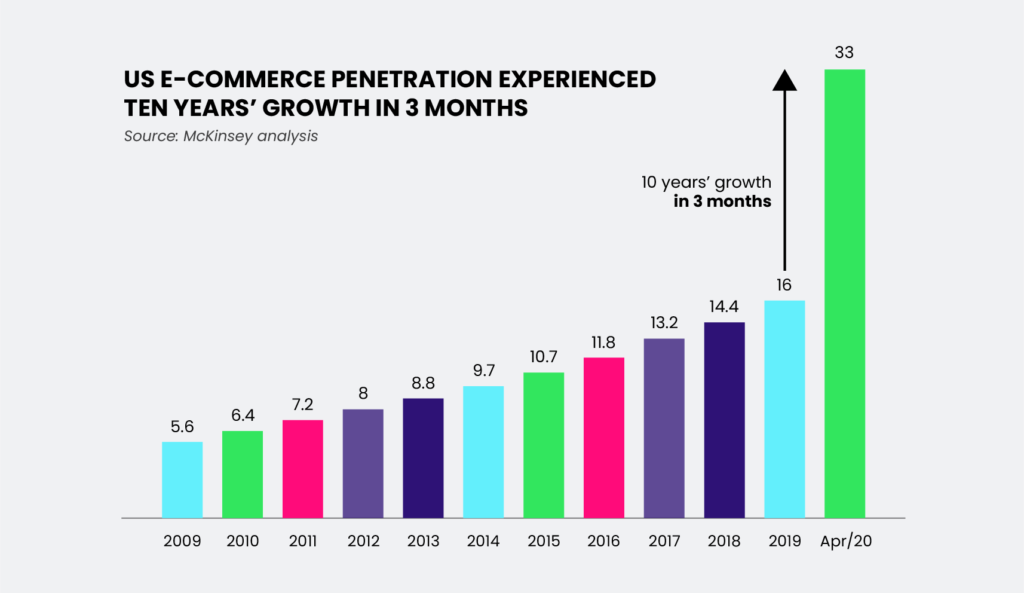
Beyond improved customer satisfaction, omnichannel retail delivers strong financial advantages.
Increased Revenue Growth
Customers engaging across multiple channels tend to spend more than single-channel shoppers. Seamless integration encourages repeat purchases and cross-selling opportunities.
Operational Efficiency
Unified systems eliminate redundancies, reducing IT costs and manual errors. Consolidated data improves forecasting accuracy and inventory management.
Resilience During Economic Shifts
Omnichannel businesses can quickly pivot between channels during disruptions. For example, when in-store traffic declines, online sales can compensate—ensuring revenue continuity.
Meeting Customers Where They Are
Today’s customer journey is nonlinear.
A shopper might:
- See a product ad on Instagram.
- Search reviews on Google.
- Compare prices on Amazon.
- Visit a store to test the product.
- Complete the purchase online.
Businesses that fail to integrate these touchpoints risk losing customers to competitors who offer smoother experiences.
Tools such as Google Analytics and Customer Data Platforms (CDPs) help retailers understand:
- Which channels drive traffic
- Where customers drop off
- How customers move between touchpoints
With this insight, businesses can optimize their omnichannel strategies.
Challenges of Implementing Omnichannel Retail
While the benefits are compelling, implementation comes with challenges.
1. High Initial Costs
Integrating systems requires investment in software, infrastructure, and staff training.
2. Complex Data Management
Maintaining accurate, real-time data across multiple channels demands sophisticated systems and strict compliance with privacy regulations such as GDPR and CCPA.
3. Technological Dependency
Omnichannel success depends on CRM systems, ERP software, and ecommerce platforms functioning seamlessly. Ongoing maintenance and updates are essential.
4. Time-Intensive Coordination
Ensuring consistent pricing, promotions, and inventory visibility across platforms requires continuous oversight.
Despite these challenges, businesses that invest strategically often see substantial long-term returns.
The Power of Personalization
One of the strongest advantages of omnichannel retail is the ability to personalize experiences.
By analyzing data from:
- Website visits
- App interactions
- In-store purchases
- Social media engagement
Retailers gain a 360-degree view of the customer.
For example, a beauty brand can recommend skincare routines based on purchase history and browsing behavior. Personalized offers increase engagement and foster loyalty.
Consumers increasingly expect personalization—71% anticipate tailored interactions, and 76% feel frustrated when they don’t receive them.
Omnichannel in Action: Marketplaces
Marketplaces play a central role in omnichannel strategies.
Amazon
Amazon began as an online bookstore and evolved into the world’s largest ecommerce marketplace. With billions of monthly visitors and over 200 million Prime members, it offers:
- Massive reach
- Reliable fulfillment infrastructure
- Advanced analytics tools
Walmart
Walmart.com attracts approximately 120 million monthly visitors and provides sellers with:
- Fast delivery options
- In-store pickup
- Robust advertising tools
Mercado Libre
Often called the “Amazon of Latin America,” Mercado Libre connects businesses to millions of buyers across 18 countries, tapping into a rapidly growing ecommerce market.
Social Commerce: The New Frontier
Social media platforms like Facebook, Instagram, and TikTok have become powerful sales channels.
Shoppers increasingly:
- Discover products through creators
- Research brands on social media
- Make purchases directly within apps
Data shows that 73% of shoppers purchase in-store after discovering items on social media, and younger generations frequently buy directly from creators.
Integrating social commerce into an omnichannel strategy ensures brands stay relevant in this discovery-driven environment.
The Role of Search
Search engines remain critical in purchase journeys.
Many consumers use Google to:
- Research products
- Compare prices
- Locate nearby stores
Retailers who optimize their search presence—through paid ads and organic listings—capture customers at key decision-making moments.
Standing Out in a Crowded Market
With countless brands competing for attention, differentiation is essential.
Omnichannel retail provides a competitive advantage by offering:
- Better convenience
- Seamless integration
- Personalized experiences
- Faster fulfillment
Retailers who remain limited to traditional brick-and-mortar or siloed online operations risk losing customers to more agile competitors.
Data-Driven Decision Making
Modern ecommerce generates vast amounts of data. Key metrics such as:
- Conversion rates
- Customer acquisition cost
- Cart abandonment rate
- Customer lifetime value
provide actionable insights.
Advanced analytics allow businesses to:
- Adjust pricing strategies
- Optimize inventory
- Refine marketing campaigns
Data-driven agility is essential for thriving in today’s digital landscape.
The Future of Retail Is Integrated
Omnichannel retail is not simply a trend—it is the future of commerce.
As technology continues to evolve, customer expectations will rise. Businesses that prioritize integration, personalization, and convenience will outperform those operating in silos.
Success requires:
- Unified data systems
- Seamless customer experiences
- Strategic use of marketplaces and social platforms
- Continuous optimization based on analytics
Harvard Business Review – Research and insights on omnichannel customer behavior
https://hbr.org/