
The Indian e-commerce ecosystem has witnessed exponential growth over the past decade, driven by rising internet penetration, smartphone adoption, and a surge in online shopping. Among the many players in this space, Meesho IPO. Meesho has carved a unique niche, distinguishing itself from e-commerce giants like Flipkart and Amazon. As the Meesho IPO opens for subscription on December 3, 2025, Meesho IPO. investors and industry watchers are keen to understand what sets this company apart and why its growth trajectory has been impressive in a highly competitive market.
In this article, we explore Meesho’s business model, compare it with its rivals, analyze the key factors that fuel its success, Meesho IPO. and provide insights into the IPO prospects.
The Indian E-Commerce Landscape
India’s e-commerce market is one of the fastest-growing in the world, projected to reach $200 billion by 2030. Major players such as Amazon and Flipkart dominate the space with broad product offerings, extensive logistics networks, and heavy investment in marketing. Yet, despite their dominance, there remains a massive opportunity in underserved segments, particularly in smaller towns and rural areas.
This is where Meesho has differentiated itself. Unlike traditional e-commerce platforms that operate primarily on a direct-to-consumer (D2C) model, Meesho focuses on social commerce, enabling small entrepreneurs, home-based sellers, and individual resellers to reach buyers online. This unique approach has allowed the platform to rapidly expand its footprint across India.
Meesho’s Unique Business Model

Meesho’s reseller-driven model is its most distinctive feature. The platform empowers individuals to become resellers without any inventory or logistics responsibilities. Here’s how it works:
- Resellers Share Products: Individuals browse products listed on Meesho and share them with friends, family, or social networks like WhatsApp, Instagram, and Facebook.
- Customers Place Orders: Buyers place orders directly through Meesho’s platform.
- Meesho Handles Fulfillment: The company manages inventory, packaging, and delivery, eliminating the logistical burden for resellers.
- Resellers Earn Margins: Resellers earn a commission on every sale without investing in stock.
This approach creates a win-win ecosystem: resellers earn income with minimal risk, buyers access affordable products, and Meesho expands its reach efficiently without heavy expenditure on marketing or warehousing.
By contrast, Flipkart and Amazon rely heavily on traditional e-commerce methods. Both maintain inventory, operate large warehouses, and incur substantial logistics and marketing costs. While this model works well in urban and metro areas, it can be less efficient in reaching smaller towns or tier-2 and tier-3 cities, where social networks play a larger role in purchase decisions.
Three Key Factors That Set Meesho Apart
Several factors make Meesho stand out in India’s competitive e-commerce market.
1. Focus on Social Commerce and Resellers
Unlike Flipkart and Amazon, which primarily target end consumers directly, Meesho leverages social networks as distribution channels. This approach has several advantages:
- Hyper-local reach: Resellers bring products to buyers in their immediate social circles, often reaching markets that traditional e-commerce may struggle to penetrate.
- Lower customer acquisition cost: Meesho spends less on advertising because its resellers act as organic marketers.
- Empowerment of women and home entrepreneurs: A significant portion of Meesho’s reseller base is women from tier-2 and tier-3 cities, making the platform socially impactful.
By relying on social commerce, Meesho reduces operational costs while creating a unique value proposition for sellers and buyers alike.
2. Catering to Tier-2 and Tier-3 Markets
Meesho has focused heavily on smaller towns and rural markets, which constitute a massive untapped segment in India’s e-commerce story. While Amazon and Flipkart have urban dominance, Meesho’s strategy has been to:
- Offer products at affordable price points suitable for first-time online shoppers.
- Provide reseller opportunities to local entrepreneurs who understand community preferences.
- Deliver personalized recommendations and culturally relevant products through social selling.
This targeted approach has helped Meesho scale its user base rapidly, with millions of new buyers joining the platform each month from previously underserved regions.
3. Low-Cost Operations and Scalable Logistics
Meesho’s operational model is capital-efficient compared to conventional e-commerce giants. Some key elements include:
- No inventory for resellers: The platform shoulders the logistical burden, minimizing financial risk for individuals.
- Partnerships with logistics providers: By partnering with third-party delivery services, Meesho reduces infrastructure costs while ensuring timely deliveries.
- Scalable technology platform: The app and website are optimized for mobile-first users, offering seamless ordering and tracking features even in low-bandwidth areas.
These operational efficiencies allow Meesho to maintain healthy unit economics and profitability potential, which is especially attractive for investors in its upcoming IPO.
Meesho vs. Flipkart and Amazon

While all three platforms operate in e-commerce, the strategies and target audiences differ significantly:
| Feature | Meesho | Flipkart | Amazon India |
|---|---|---|---|
| Business Model | Social commerce with resellers | Direct-to-consumer marketplace | Direct-to-consumer marketplace |
| Target Audience | Tier-2 & Tier-3 cities, home entrepreneurs | Urban & semi-urban | Urban & semi-urban |
| Inventory Model | Fulfilled by Meesho (resellers don’t hold inventory) | Own inventory & sellers | Own inventory & sellers |
| Marketing Approach | Organic through resellers | Paid advertising, discounts | Paid advertising, Prime promotions |
| Empowerment Focus | Women & first-time entrepreneurs | General consumer base | General consumer base |
Meesho’s niche lies in leveraging social networks to enable micro-entrepreneurs, whereas Flipkart and Amazon focus on scaling logistics and marketing for a broad consumer base.
Market Position and Growth Trajectory

Since its inception, Meesho has witnessed exponential growth, attracting millions of resellers and buyers. Some key growth highlights include:
- Rapid adoption in non-metro regions: A majority of Meesho users come from tier-2 and tier-3 cities.
- High engagement through social selling: Resellers actively share products via WhatsApp, Instagram, and Facebook, driving organic traffic.
- Diversified product categories: Meesho offers everything from fashion and electronics to home goods, making it a one-stop-shop for social commerce.
The company has also raised significant venture capital over multiple funding rounds, reflecting investor confidence in its scalable model and strong market potential.
IPO Prospects and Investment Considerations
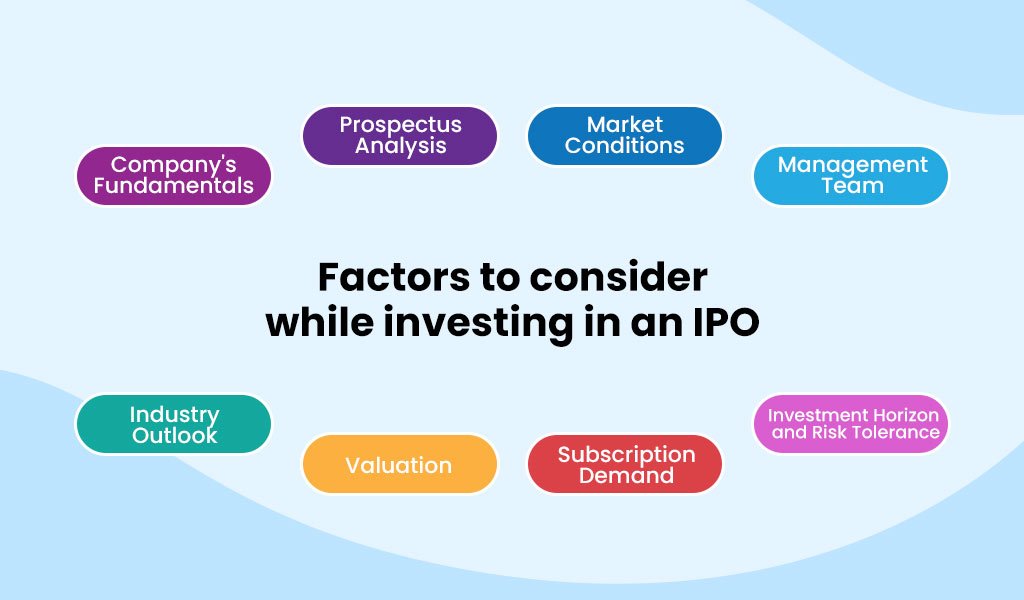
The Meesho IPO, opening for subscription on December 3, 2025, marks a significant milestone for the company and its stakeholders. Investors will evaluate the company based on several criteria:
- Unique business model: Social commerce and reseller-driven sales distinguish Meesho from traditional e-commerce.
- Growth potential: With India’s e-commerce adoption accelerating in smaller towns, Meesho is well-positioned to expand its user base.
- Financial health: Investors will analyze revenue growth, gross margins, and operating costs, considering Meesho’s capital-efficient model.
- Market competition: Despite its niche, Meesho competes indirectly with Amazon and Flipkart for buyer attention and market share.
The IPO provides an opportunity for investors to participate in a high-growth, socially impactful company that has transformed online retail dynamics in India.
Meesho IPO explained: Learn how Meesho stands out from Flipkart and Amazon, its unique business model, growth prospects, and investment insights. For official details, visit Meesho website.