

The world of e-commerce is evolving faster than ever, and 2026 is shaping up to be a pivotal year for online retail. With digital commerce projected to surpass $5 trillion globally, consumer expectations are higher, technology is more sophisticated, and competition is fiercer than ever.
For businesses that want to thrive in this dynamic environment, understanding the key trends shaping e-commerce in 2026 is essential. From AI-driven personalization to immersive shopping experiences and sustainable logistics, these trends will determine who leads the market and who falls behind.
Let’s explore the top eight e-commerce trends that will dominate 2026 and beyond.
1. AI-Powered Experiences

Artificial Intelligence (AI) continues to be the driving force behind innovation in e-commerce. Its applications span the entire customer journey—from product discovery and content creation to order fulfillment and post-purchase service.
Generative AI for Smarter Commerce
The rise of generative AI and large language models is transforming the way online stores operate. Retailers can now generate product descriptions, dynamic visuals, and personalized content tailored to individual customer preferences. These tools streamline the shopping experience while allowing businesses to scale efficiently and cost-effectively.
Brands are also leveraging AI for customer service. Smart chatbots and virtual assistants handle queries, automate returns, and even recommend products based on browsing and purchase history, providing a 24/7 personalized shopping experience.
AI Agents in Action
The trend of agentic commerce is emerging, where AI acts on behalf of customers. For example, Walmart’s AI assistant “Sparky” can interact with customers, manage orders, and optimize recommendations using machine learning.
On the backend, AI helps optimize inventory management, pricing, and supply chain efficiency by analyzing real-time customer behavior and demand patterns. Companies like Footshop have reported up to 54% automation in customer interactions and 33% cost reduction by integrating AI-powered chatbots.
Key takeaway: In 2026, AI is not just a tool—it is becoming the backbone of smart, scalable e-commerce operations.
2. Social Media Commerce

Social commerce has moved from a buzzword to a core sales channel. Platforms like TikTok Shop, Instagram, and YouTube are no longer just for brand awareness—they are full-fledged storefronts where scrolling, sharing, and swiping can lead directly to purchases.
Content-to-Checkout Experiences
Traditional online store browsing is being replaced by short-form videos, influencer campaigns, and user-generated content (UGC). Social media allows brands to engage shoppers where they already spend most of their time, making purchases intuitive and entertaining.
For instance, TikTok Shop is projected to reach $20 billion in gross merchandise volume (GMV) by the end of 2026. Livestream shopping, which has already become huge in Asia, is gaining traction in Western markets. Real-time demonstrations, Q&A sessions, and limited-time deals drive high engagement and conversion rates, sometimes as high as 30%.
Key takeaway: Social commerce is expected to account for nearly 20% of global e-commerce sales by 2026. Brands that adapt early will have a significant competitive advantage.
3. Advanced User Experience: AR, VR, Mobile & Immersive Design
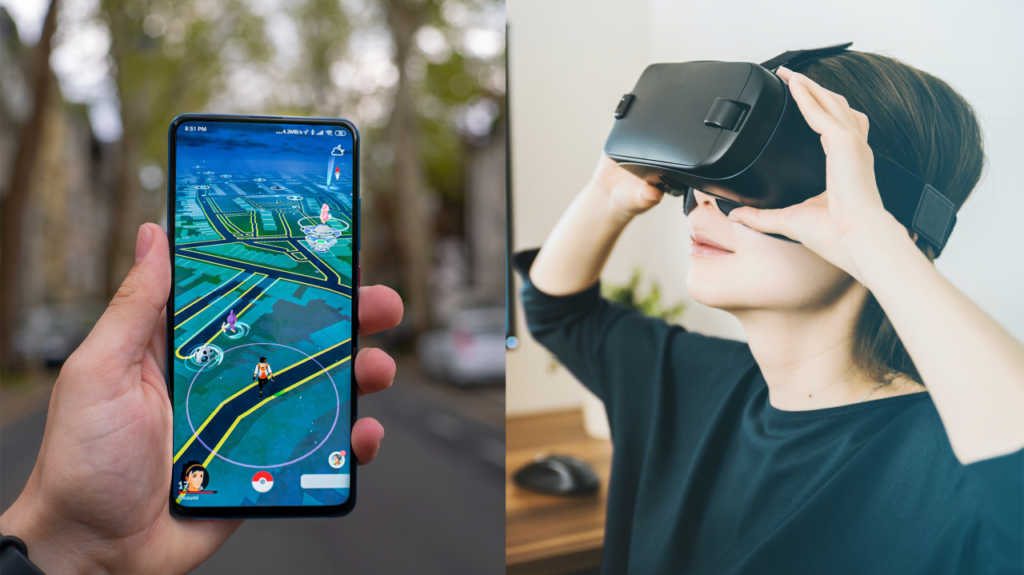
Customer experience has become the key differentiator in a crowded e-commerce market. In 2026, retailers are investing heavily in augmented reality (AR), virtual reality (VR), and 3D commerce to offer immersive shopping experiences.
AR Try-Ons and 3D Product Visualization
Static product catalogs are giving way to interactive 3D experiences. AR allows customers to visualize products in their own spaces—seeing furniture in their living rooms, trying on glasses virtually, or previewing clothing.
Nike, for example, uses a virtual fitting room that scans customers’ feet to recommend shoes that fit perfectly. Similarly, 3D commerce enables shoppers to rotate, zoom, and explore products in detail, improving confidence and reducing returns.
Mobile-First Design
With mobile commerce dominating online shopping, websites must be optimized for smaller screens. Thumb-friendly navigation, micro-animations, and one-swipe checkouts are no longer optional—they are essential for conversion. Research shows 79% of smartphone users have made purchases via mobile devices in the past six months.
Key takeaway: Immersive, mobile-optimized, and interactive experiences are critical for retaining customers in 2026.
4. Payments and Checkout Innovations

The checkout process remains a critical barrier in e-commerce. Friction here leads to abandoned carts, lost revenue, and frustrated customers.
One-Click Checkouts and Digital Wallets
Digital wallets like Apple Pay, Google Pay, and PayPal are becoming standard, especially for mobile-first shoppers. One-click checkouts reduce the time from decision to transaction, improving conversion rates.
Flexible Payment Models
Alternative payment models, including Buy Now, Pay Later (BNPL), Buy Online Pay In Store (BOPIS), subscription boxes, and interest-free installments, are gaining traction. They offer convenience to consumers and predictable revenue streams for businesses.
The global digital wallet market is expected to grow to $119 billion by 2029, driven by mobile adoption and seamless payment solutions.
Key takeaway: Streamlined, flexible, and mobile-friendly payment options will be a must-have for online retailers.
5. Trust, Privacy & Sustainability

Consumers are increasingly concerned with data privacy, ethical practices, and sustainability. Trust has become one of the most valuable currencies in online commerce.
Blockchain for Transparency
Blockchain offers a secure and transparent way to track products, verify reviews, and manage supply chains. Once recorded, blockchain entries cannot be altered, giving shoppers confidence that products and reviews are authentic.
Sustainable Practices
Sustainability is no longer optional. Shoppers expect eco-friendly packaging, carbon-neutral shipping, and ethical sourcing. Brands like Patagonia lead by example with initiatives such as Worn Wear, promoting product longevity and responsible consumption.
Key takeaway: Transparent, secure, and sustainable practices are essential to winning customer trust in 2026.
6. Logistics, Delivery & Returns Expectations
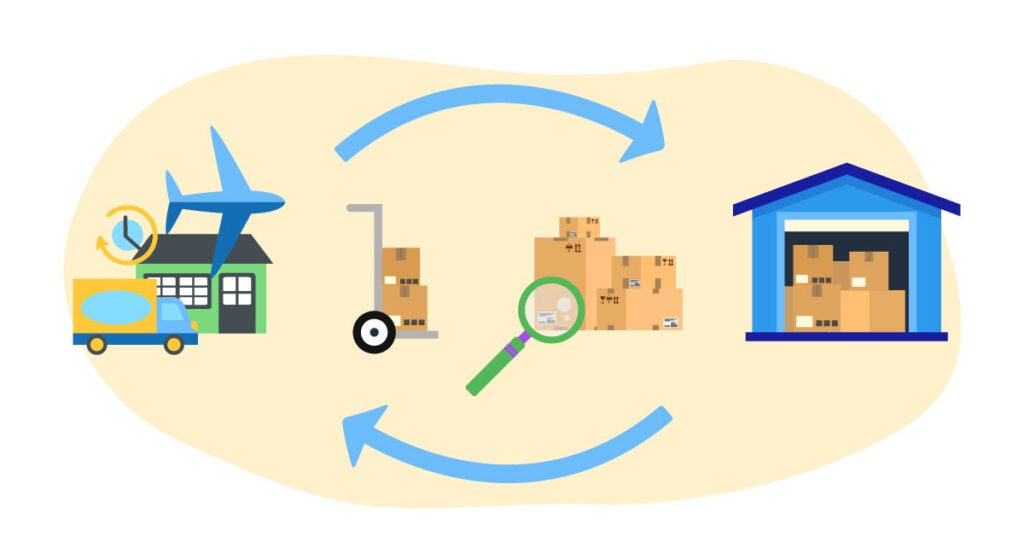
Fast, reliable, and flexible delivery options are now non-negotiable. Consumers expect convenience, free shipping, and hassle-free returns.
Flexible Delivery Options
Services like BOPIS (Buy Online, Pick Up In Store) and local drop-off return points are becoming standard. Customers expect retailers to handle returns efficiently, with over 60% reviewing return policies before purchase.
Cost vs Speed
While speed is important, studies indicate that cost has become the more critical factor in delivery preferences. Retailers need to balance affordability, reliability, and sustainability to maintain loyalty.
Key takeaway: Investing in efficient logistics and customer-friendly return policies is crucial for repeat business.
7. Conversational Commerce

Voice and ambient commerce are becoming mainstream. By 2026, the voice commerce market is expected to reach $32.6 billion, growing at a CAGR of 14.8%.
Voice Commerce
Shoppers can now search, compare, and purchase products using natural language via smart speakers, mobile assistants, or in-app voice features.
Ambient Commerce
Ambient commerce uses AI to anticipate customer needs without explicit searches. Examples include smart fridges suggesting groceries or wearables recommending products based on activity data.
Key takeaway: Conversational and predictive commerce will redefine how customers interact with brands, creating a more seamless and intuitive shopping experience.
8. Marketplaces & B2B Expansions

Expanding into new channels is essential for growth. Marketplaces like Amazon, Alibaba, and niche platforms provide access to massive audiences but also increase competition.
Retail Media Investments
Brands now invest in sponsored listings, marketplace ads, and targeted promotions to stand out in crowded marketplaces.
B2B and Cross-Border Commerce
Platforms like Shopify simplify international expansion, helping brands tap into global markets without the complexities of managing multiple regional sites.
Key takeaway: Diversifying into marketplaces and B2B channels will drive revenue growth and brand visibility in 2026.
The State of AI in Retail
https://www.mckinsey.com/industries/retail/our-insights