
Ecommerce in 2026 is no longer just about selling online. It’s about presence, precision, and experience. The boundaries that once separated digital and physical retail have dissolved, giving rise to a blended ecosystem where discovery, engagement, and purchase happen everywhere—often simultaneously.
Today’s shoppers don’t move in straight lines. They jump from a TikTok video to a brand’s mobile app, from a livestream to curbside pickup, from a chat conversation to checkout. And they expect every step to feel effortless. In this environment, ecommerce success isn’t defined by traffic alone—it’s defined by reach, relevance, and retention.
Technology is no longer a supporting actor. It’s the script itself. Artificial intelligence anticipates demand before users search. Video content replaces static product pages. Blockchain quietly improves trust and transparency behind the scenes. Mobile apps, digital wallets, and flexible payment options remove friction entirely.
Industry analysts tracking ecommerce growth trends agree on one thing: speed and intelligence now matter more than scale. According to digital commerce observers like IntexSoft, the transformation is already underway. The entire customer lifecycle—discovery, purchase, loyalty—is being rewritten by automation, data, and real-time personalization.
The Future of Ecommerce: What’s Changing in 2026

The year ahead will challenge retailers to adapt faster than ever. Ecommerce is evolving from transactional websites into adaptive, intelligent ecosystems. Below are the key trends driving this shift:
- Blockchain-powered commerce
- AI-native ecommerce platforms
- Video-first and Social Commerce 2.0
- Privacy-first personalization
- Conversational and chat-driven shopping
- Mobile and app-centric growth
- Advanced payments, wallets, and BNPL
- Composable and headless commerce
- Serverless ecommerce infrastructure
- Livestream shopping
- Augmented reality (AR) experiences
- Voice search and voice commerce
- Subscription-based models
- The consumerization of B2B ecommerce
Each of these trends plays a role in reshaping how people discover, trust, and buy products in 2026.
Blockchain: Building Trust, Transparency, and Efficiency

Among all ecommerce technology trends, blockchain stands out for its ability to solve long-standing issues in online payments and data security.
Traditional ecommerce relies heavily on intermediaries—banks, payment processors, and clearinghouses. Blockchain removes much of this dependency by verifying transactions through decentralized ledgers. Every transaction is recorded across a distributed network, making manipulation nearly impossible.
The benefits are substantial:
- Enhanced security through tamper-resistant records
- Lower transaction costs by removing intermediaries
- Faster international payments, often settled in minutes instead of days
Research suggests that blockchain-based payments could reduce remittance fees from over 6% to under 1%. For global ecommerce brands, that translates into massive cost savings and faster cash flow.
In contrast, legacy ecommerce systems remain slow, opaque, and expensive. Businesses adopting blockchain in 2026 are moving toward a model built on trust, speed, and transparency—qualities modern consumers increasingly demand.
AI-Native Commerce Becomes the Standard
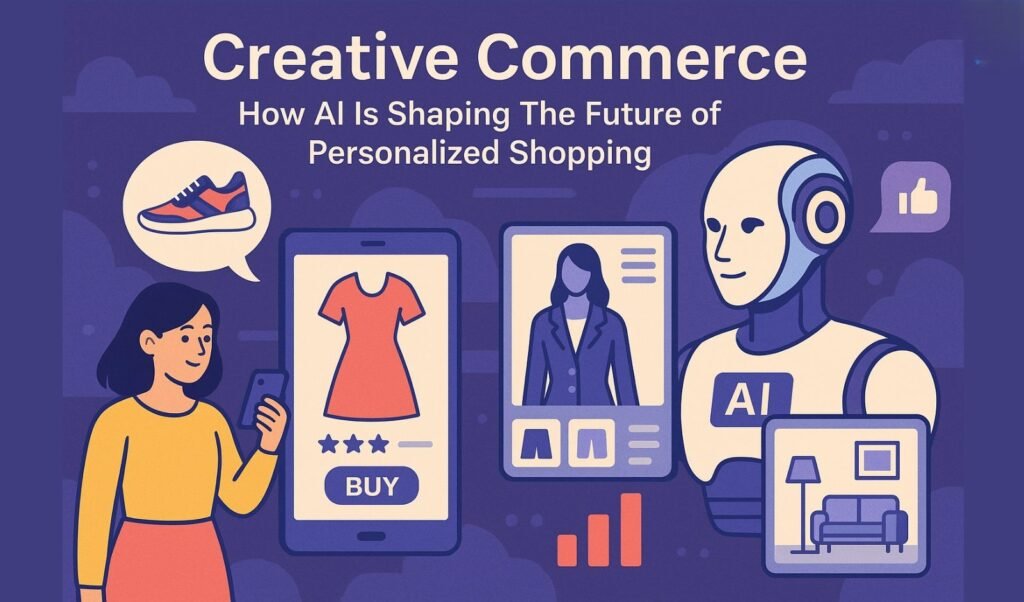
Artificial intelligence is no longer optional in ecommerce—it’s foundational. One of the defining ecommerce trends of 2026 is the shift from AI-assisted platforms to AI-native commerce.
Many retailers still treat AI as an add-on: recommendation engines, chatbots, or demand forecasting tools layered onto existing systems. But AI-native businesses operate differently. They are built from the ground up around intelligence. Their platforms learn, adapt, and make decisions in real time.
The distinction is critical:
- AI-enabled platforms optimize existing workflows
- AI-native platforms redefine workflows entirely
In AI-native ecommerce, algorithms decide pricing, inventory allocation, personalization, and even product design. These systems continuously evolve based on customer behavior, market shifts, and operational data.
Companies like IntexSoft operate at both levels—helping businesses optimize with AI today while preparing them to transition toward fully AI-native ecosystems tomorrow. The gap between “using AI” and “being AI” is widening, and brands that fail to close it risk falling behind.
Video-First Commerce and Social Commerce 2.0
Ecommerce has entered its cinematic era.
Video is no longer just a marketing asset—it’s the storefront itself. Social Commerce 2.0 represents a shift from impulse-driven purchases to immersive, community-based shopping experiences.
Platforms like TikTok, YouTube, and Instagram now blend entertainment, influence, and checkout into a single flow. According to Statista, global social commerce sales are projected to reach $1.2 trillion by 2026, driven largely by short-form video and livestream shopping.
What’s changed?
- Shopping is now interactive, not passive
- Creators act as trusted salespeople
- AI personalizes content to individual viewers
Instead of “see product, click buy,” the journey becomes “experience, trust, purchase.” Small businesses benefit enormously. A single livestream or Reel can replace an entire sales funnel—especially when paired with real-time engagement and creator authenticity.
In 2026, ecommerce growth increasingly begins with video.
Personalization Without Third-Party Cookies

For years, third-party cookies powered targeted advertising and ecommerce personalization. That era is ending.
With cookie phase-outs now fully in motion, one of the most important digital commerce trends is privacy-first personalization. The challenge is clear: how can brands stay relevant without tracking users across the web?
The answer lies in:
- First-party customer data
- AI-driven behavioral insights
- Contextual advertising based on content, not identity
Consumers are demanding transparency. They want control over how their data is used. Forward-thinking brands are responding by offering value in exchange for data—through loyalty programs, personalized rewards, and opt-in experiences.
Major retailers like Nike and Sephora are already experimenting with models that reward customers for willingly sharing preferences. This builds trust while enabling ethical personalization—a cornerstone of ecommerce in 2026.
Conversational and Chat-Driven Commerce

In 2026, shopping feels more like a conversation than a transaction.
Conversational commerce—powered by messaging apps like WhatsApp, RCS, and in-app chat—is transforming how customers interact with brands. Browsing, asking questions, receiving recommendations, and completing purchases now happen in a single thread.
The benefits are clear:
- Higher engagement
- Faster decision-making
- Stronger customer loyalty
Brands using conversational channels report dramatic improvements in conversion rates. Real-time dialogue mimics human interaction, creating what many call digital empathy—the feeling that the brand understands and responds to customer needs.
Behind every chat is AI, learning from thousands of conversations to improve responses continuously. When done right, conversational commerce turns support into sales and customers into long-term relationships.
Mobile and App-Centric Ecommerce Growth

Mobile is no longer the future—it’s the default.
Nearly 70% of ecommerce sales now occur on mobile devices, and that number continues to rise. Consumers increasingly begin their shopping journey inside apps, social feeds, or push notifications—not web browsers.
Modern mobile ecommerce succeeds by being:
- Fast
- Frictionless
- Personalized
One-tap payments, biometric authentication, and intelligent recommendations have transformed mobile checkout from a pain point into a strength. Brands that fail to optimize for mobile-first experiences are quickly forgotten.
Payments, Digital Wallets, and Buy Now, Pay Later

Payment flexibility has become a decisive factor in conversion.
Studies show that 1 in 10 shoppers abandon carts when their preferred payment method isn’t available. In response, ecommerce leaders are expanding payment ecosystems to include:
- Digital wallets (Apple Pay, Google Pay)
- Mobile-first payment options
- Buy Now, Pay Later (BNPL) services
BNPL platforms like Klarna and Affirm are especially popular with younger consumers, offering interest-free installments and financial flexibility. For retailers, the payoff is higher order values and lower cart abandonment.
In 2026, payment experience is inseparable from customer experience.
Composable and Headless Commerce Reach Maturity
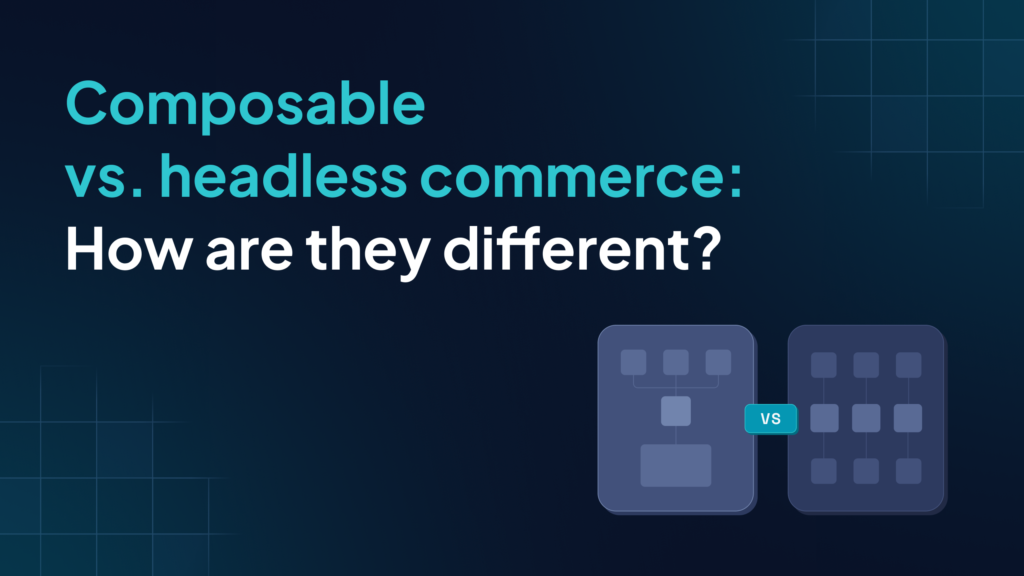
Composable commerce allows ecommerce platforms to be built like modular systems. Each component—payments, search, personalization—can evolve independently through APIs.
Headless commerce takes this further by separating frontend design from backend logic. The result is speed, flexibility, and omnichannel consistency.
Together, these architectures enable:
- Rapid experimentation
- Seamless omnichannel experiences
- Scalable personalization
Frameworks like Next.js and API-first ecosystems have made composable and headless commerce practical, not theoretical. For brands seeking agility in 2026, this architecture is becoming the standard.
Serverless Commerce: Invisible Infrastructure, Maximum Agility
Serverless ecommerce removes the burden of infrastructure management. Cloud providers handle scaling, stability, and maintenance automatically.
The advantages include:
- Lower operational costs
- Automatic scaling during traffic spikes
- Faster development cycles
By paying only for actual usage, businesses eliminate wasted resources. Serverless commerce turns infrastructure into an invisible asset—allowing teams to focus on innovation, not hardware.
Livestream Shopping Gains Momentum
Livestream shopping blends urgency, authenticity, and community into a powerful sales engine.
The psychology mirrors classic TV shopping, but enhanced with mobile access, personalization, and social proof. Real-time interaction builds trust, while limited-time offers trigger action.
Benefits include:
- Reduced cart abandonment
- Higher engagement
- Strong emotional connection
As AI hosts, 3D environments, and real-time translation emerge, livestream commerce is set to go global.
Augmented Reality Brings Products to Life
AR is redefining online shopping by restoring context and confidence.
Virtual try-ons, 3D product views, and spatial visualization reduce guesswork and returns. From furniture placement to makeup testing, AR bridges the gap between physical and digital retail.
With AR ecommerce projected to grow rapidly through 2030, experience is becoming the ultimate conversion tool.
Voice Search and Hands-Free Shopping
Voice commerce is gaining traction as smart speaker adoption grows. Voice queries are conversational and intent-driven, forcing brands to rethink SEO and content strategies.
Retailers optimizing for voice focus on:
- Natural language search
- Fast-loading pages
- Clear, direct answers
Voice commerce is no longer niche—it’s becoming mainstream.
AI Solves Customer Pain Points Before They Exist
AI is quietly improving every layer of ecommerce:
- Fraud detection
- Inventory forecasting
- Sentiment analysis
- Customer support automation
Each interaction feeds learning loops that continuously refine the system. In 2026, AI doesn’t just solve problems—it anticipates them.
Top Ecommerce Trends to Watch in 2026 — insights on tech shifts like AI, no‑code tools, and mobile commerce shaping ecommerce in 2026. BigCommerce Ecommerce Trends 2026 Guide