

The eCommerce landscape continues to evolve at a breathtaking pace. In 2025, global online retail sales were projected to reach between US$6.4 trillion and US$6.9 trillion, reflecting sustained growth in digital commerce. This expansion underscores the increasing reliance on online shopping across the globe, with approximately 2.77 billion people now shopping online—roughly one-third of the world’s population.
Mobile devices are leading the charge in this shift, with m-commerce accounting for 57% of global eCommerce sales in 2024, and estimates suggesting this figure rose to 59% in 2025. By 2026, eCommerce businesses will need to focus not only on building functional online stores but also on creating seamless mobile experiences, robust personalization, and data-driven strategies to maintain competitiveness. In this article, we explore the top 10 eCommerce development trends shaping the industry in 2026.
1. AI-Powered Personalization, Automation, and Intelligent Commerce
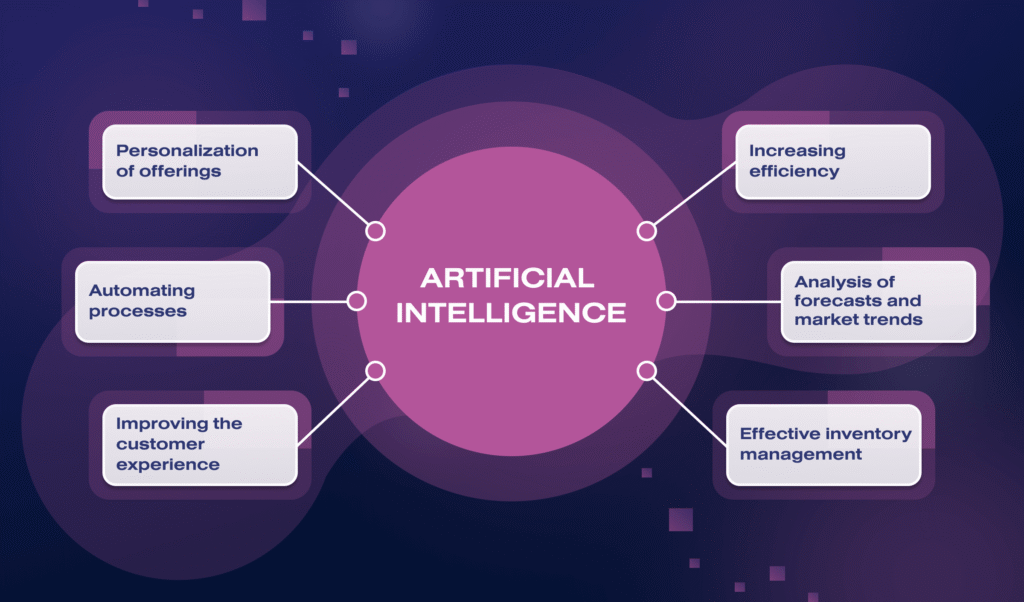
Artificial Intelligence (AI) is rapidly redefining how eCommerce businesses interact with customers and manage operations. In 2025, over 70% of online retail platforms leveraged AI-driven personalization, a trend expected to intensify in 2026. AI is empowering brands to deliver smarter experiences while automating essential business processes.
1.1 Real-Time Personalization and Recommendations
Modern recommendation engines utilize a wide range of signals—including browsing patterns, purchase history, demographics, location, and time-of-day—to suggest products tailored to each user. Personalized experiences not only enhance customer satisfaction but also increase average order value (AOV) and conversion rates. Many eCommerce brands have reported 15–25% improvement in conversions when personalization is effectively implemented. With AI tools becoming more sophisticated, the ability to deliver hyper-relevant product suggestions in real time will become a standard expectation for online shoppers.
1.2 AI Chatbots and Conversational Commerce
Chatbots and virtual assistants are no longer optional; they are a core component of modern eCommerce platforms. These AI-powered tools can answer queries, guide product discovery, offer support, and even assist during checkout. Conversational commerce allows brands to provide 24/7 assistance, reduce pressure on support teams, and enhance user satisfaction. Businesses adopting AI chatbots report faster response times, reduced cart abandonment, and increased engagement.
1.3 Automation of Operational Workflows
Beyond the customer-facing side, AI is revolutionizing operations. From inventory management and demand forecasting to fraud detection and dynamic pricing, AI helps retailers optimize stock levels, reduce waste, and respond efficiently to fluctuations in demand. As online sales volumes grow, these automated workflows are essential for scalability and operational efficiency.
2. Headless and Composable Commerce

Traditional, monolithic eCommerce systems are giving way to headless and composable architectures, offering more flexibility and agility. These decoupled, API-first systems separate the front-end presentation layer from the backend, allowing businesses to deliver customized, high-performance experiences across multiple channels.
2.1 Benefits of Headless Commerce
Headless commerce provides several key advantages:
- Enhanced performance: Faster page loads and responsive interfaces lead to improved user experience (UX) and better SEO outcomes.
- Channel flexibility: Brands can deliver different front-end experiences for web, mobile apps, voice-enabled devices, and IoT, all powered by the same backend.
- Accelerated innovation: Minor updates or A/B tests can be deployed quickly without disrupting the core backend, allowing businesses to experiment and iterate faster.
2.2 Composable Architecture and AI Integrations
Composable commerce takes flexibility further by enabling easy integration of AI modules, analytics tools, third-party services, and microservices. Retailers can build modular, scalable systems that adapt to evolving customer expectations and market trends. Composable platforms are particularly suited for AI-driven personalization, operational automation, and integration of emerging technologies.
3. Mobile-First Design and Progressive Web Apps (PWAs)

With mobile devices now dominating online shopping traffic, eCommerce businesses must prioritize mobile-first design. In 2025, mobile commerce accounted for nearly 59% of total online sales, a trend expected to continue in 2026.
3.1 Progressive Web Apps (PWAs)
PWAs offer fast load times, offline access, and native app-like behavior without requiring users to download an app. By providing a smooth browsing experience even on low-bandwidth networks, PWAs improve conversion rates, particularly in emerging markets where mobile internet is widely used.
3.2 Streamlined Checkout and Mobile Payments
Seamless payment options, such as digital wallets, one-click checkout, and Buy-Now-Pay-Later (BNPL), help reduce cart abandonment and improve convenience. A mobile-optimized checkout is no longer a luxury—it’s a necessity for businesses seeking to maintain high conversion rates.
3.3 Unified Experience Across Devices
Consumers often switch between devices and channels—web, mobile, tablet, apps, and marketplaces—expecting a consistent experience. Ensuring synchronized carts, wishlists, and user profiles across devices is critical for maintaining engagement and loyalty. A mobile-first, omnichannel-ready architecture is essential to meet this expectation.
4. Immersive Shopping Experiences

Shoppers today seek interactive, engaging, and visually rich experiences. eCommerce brands are embracing technologies like AR, 3D product visualization, voice commerce, and social shopping to enhance the online shopping journey.
4.1 AR and 3D Product Visualization
Augmented Reality (AR) and 3D visualizations allow customers to interact with products in realistic settings. For industries such as fashion, furniture, home décor, and cosmetics, virtual try-ons and 3D previews boost confidence and reduce return rates. As online catalogs grow, these immersive experiences become a key differentiator.
4.2 Voice Commerce
With smart assistants and voice-enabled devices gaining popularity, voice commerce is on the rise. Optimizing eCommerce platforms for voice search, shopping, and checkout offers a hands-free, convenient experience for users and can significantly enhance accessibility.
4.3 Visual Search and Image-Based Discovery
Visual search allows users to upload images to find similar products online. Powered by AI and image recognition, this technology caters to inspiration-driven shopping behavior, particularly in fashion, home décor, and lifestyle categories.
4.4 Social Commerce and Live Shopping
Social media platforms are evolving into commerce channels, with live shopping events, influencer storefronts, and in-app purchases merging entertainment with retail. Integrating social commerce capabilities helps brands tap into impulse purchases, peer influence, and trend-driven demand.
5. Sustainability and Ethical Commerce

Consumers are increasingly conscious about the environmental and ethical impact of their purchases. eCommerce businesses need to prioritize sustainability, transparency, and ethical practices to build trust and loyalty.
5.1 Product Transparency and Lifecycle Awareness
Providing detailed digital product histories—covering origin, materials, manufacturing process, and sustainability credentials—helps build trust. Many customers now consider transparency as important as price or convenience.
5.2 Eco-Friendly Logistics and Circular Commerce
Sustainable logistics practices, such as recyclable packaging, carbon-footprint tracking, rental or resale options, and refurbishment programs, are becoming increasingly relevant. Brands offering these services appeal to environmentally conscious consumers and stand out in a competitive marketplace.
6. Unified Omnichannel Commerce
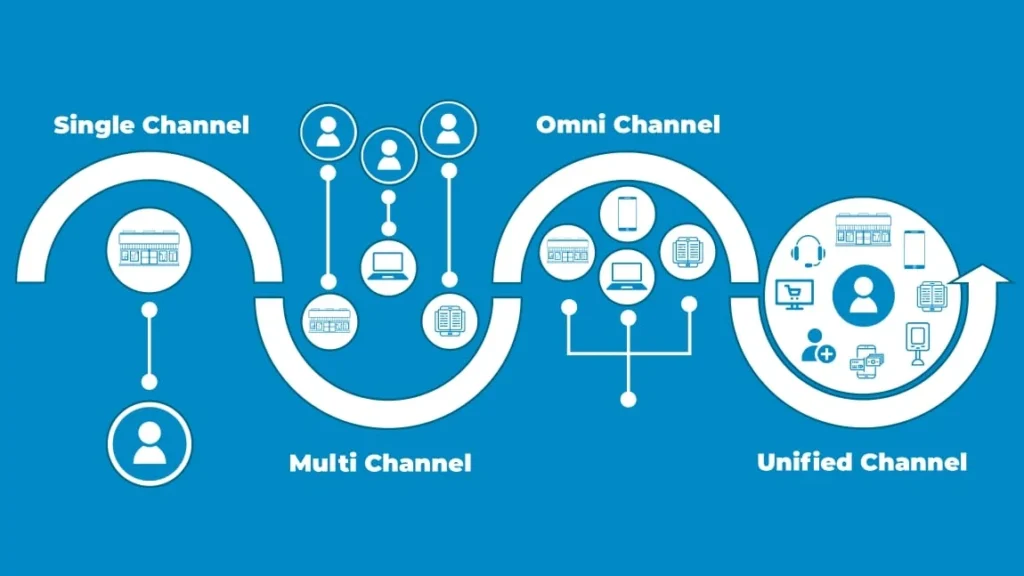
Omnichannel commerce is no longer optional; it is the standard for modern retail. Consumers interact with brands across websites, apps, social media, marketplaces, and physical stores. A seamless and consistent experience across all touchpoints is essential for building loyalty and credibility.
Key elements of unified omnichannel commerce include:
- Centralized backend systems for inventory, orders, and user data.
- Flexible front-end experiences that adapt to each channel.
- Real-time synchronization of cart, user profiles, and purchase history across devices and platforms.
7. Decentralized Marketplaces and Flexible Commerce Models

The rise of peer-to-peer (P2P) marketplaces and blockchain-powered platforms is reshaping commerce. These models provide greater transparency, trust, and ownership verification, reducing intermediaries. They are especially relevant for high-value goods, sustainable resell markets, collectibles, and digital products.
Flexible commerce models, such as subscriptions, rentals, pre-orders, and on-demand production, are also gaining traction. Platforms built on composable architecture can easily support these models, offering new revenue streams and enhanced customer experiences.
8. Data Analytics and AI-Driven Insights

Data is the foundation of modern eCommerce. Retailers leveraging advanced analytics, AI-driven insights, and predictive modeling see significant improvements in conversion rates, retention, and operational efficiency.
Key applications include:
- Predictive analytics for demand forecasting.
- Customer segmentation and behavior tracking for personalization.
- Automated reporting for performance optimization.
- Pricing and inventory optimization based on real-world data.
These capabilities reduce guesswork and allow businesses to make strategic, data-backed decisions.
9. Privacy and Compliance

As eCommerce becomes increasingly personalized, data privacy and regulatory compliance are critical. Companies must adhere to GDPR, regional data protection laws, and best practices for secure data storage. Clear consent management, transparent cookie policies, and ethical data handling not only avoid legal risks but also build consumer trust.
10. Implications for eCommerce Development in 2026

The trends discussed above highlight several key takeaways for eCommerce businesses preparing for 2026:
- Adopt headless or composable architectures for flexibility and scalability.
- Prioritize mobile-first design and PWAs to cater to a majority-mobile audience.
- Integrate AI capabilities, including personalization engines, chatbots, analytics, and operational automation.
- Support immersive experiences such as AR, 3D visualization, visual search, voice commerce, and social commerce.
- Enable omnichannel experiences across web, mobile, social, marketplaces, and emerging devices.
- Embrace flexible commerce models, including subscriptions, rentals, resale, and on-demand production.
- Leverage data analytics for personalization, demand forecasting, pricing optimization, and operational efficiency.
- Embed sustainability and ethical transparency, from product lifecycle information to eco-friendly logistics.
By following these guidelines, businesses can enhance customer experience, streamline operations, and remain competitive in an increasingly dynamic online marketplace.
For more details eCommerce Trends for 2026