

When Meesho quietly filed for its IPO, it sent a strong signal across India’s startup ecosystem: it is possible to build a massive, sustainable internet business by leaning into India’s chaos rather than trying to “fix” it.
For years, Meesho was misunderstood. Critics dismissed it as a low-quality marketplace with tiny order values and endless returns. Yet beneath that surface sat one of the most deeply India-native business models ever built—one that understood how real Indians shop, sell, trust, and earn.
Meesho didn’t win by copying Amazon or Flipkart. It won by observing Indian bazaars, WhatsApp groups, homemakers, and hyperlocal logistics networks—and then designing technology around them.
This is the story of how Meesho evolved from a failed hyperlocal fashion experiment into India’s largest e-commerce platform by order volume, processing over 4.5 million orders per day, serving 213 million annual transacting users, and approaching profitability at IPO scale.
The Accidental Beginning: A Spreadsheet That Changed Everything

Back in 2015, Meesho’s founders—Vidit Aatrey and Sanjeev Barnwal—weren’t chasing a grand vision. They were searching for white spaces.
They created a simple spreadsheet. Along one axis were popular startup models—Uber-style marketplaces, Airbnb-like platforms, hyperlocal commerce. Along the other axis were sectors like travel, groceries, food, and fashion.
Two things stood out:
- Hyperlocal models already had plenty of players
- Fashion was crowded—but not locally
The intersection—hyperlocal fashion—was surprisingly empty.
That insight gave birth to FashNear (short for “fashion nearby”), a platform that aimed to help local fashion stores become discoverable online.
FashNear: A Smart Idea That Failed for the Right Reasons
FashNear was designed to bring nearby boutiques onto a mobile platform. Users could browse local stores, select clothes to try at home, and enjoy the convenience of discovery without sacrificing trust.
The logic was sound:
- Most Indians buy fashion from local, unbranded stores
- These shops would never build their own e-commerce websites
- A platform could bridge offline trust with online discovery
But execution revealed a deeper truth.
FashNear didn’t scale.
Yet the failure uncovered something far more important than success would have.
Insight 1: India Is an Unbranded Retail Economy

Roughly 75% of Indian retail is unbranded.
Walk through any Indian market and you’ll see thousands of products with no logos, no labels, and no brand recall. These goods come from small manufacturers and family-run units, passed through layers of wholesalers before reaching consumers.
Traditional e-commerce platforms were fighting over the other 25%—the branded, searchable, review-driven segment.
Meesho realized the real opportunity wasn’t where everyone else was looking.
The question shifted from:
“How do we digitize branded retail?”
to:
“How do unbranded products actually get discovered and sold in India?”
The answer wasn’t on a website. It was on WhatsApp.
Insight 2: In India, WhatsApp Is the Trust Layer

For Indian small businesses, WhatsApp isn’t just a messaging app—it’s economic infrastructure.
It offers:
- Zero customer acquisition cost
- No learning curve
- Near-universal adoption
- Built-in trust via social networks
Vidit discovered this by doing something rare among founders: watching real businesses work.
The Boutique That Changed Meesho’s Direction

Vidit spent hours sitting in a small boutique in Koramangala, Bengaluru. The owner, a Malayali shopkeeper, eventually struck up a conversation.
What he revealed was shocking.
More than half of his sales came through WhatsApp—not foot traffic.
Customers joined a WhatsApp group when they visited the store. When new stock arrived, the owner sent photos. Orders were placed via chat, delivered by a local runner, and paid in cash on delivery.
No website. No app. No inventory software.
Just trust.
That moment became the foundation of Meesho.
Meesho Is Born: “Meri Shop” for India’s Small Sellers

Meesho—short for “Meri Shop”—was launched to help small businesses:
- Digitize their catalogs
- Manage inventory
- Handle payments
- Access logistics
Initially, Meesho believed shop owners would be the primary users.
They were wrong—but in the best way possible.
Insight 3: India’s Hidden Entrepreneurs Are Homemakers
As Meesho scaled, the data revealed an unexpected pattern.
The most active users weren’t shop owners.
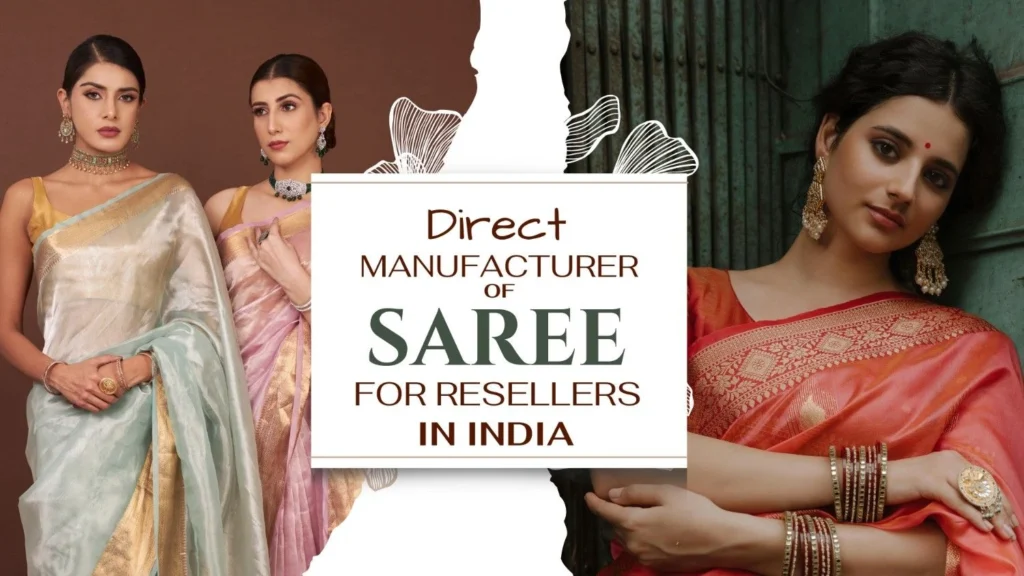
They were women in Tier 2 and Tier 3 cities—homemakers running “WhatsApp boutiques.”
How the Model Worked:
- Women browsed Meesho’s catalog
- Shared selected products in WhatsApp groups
- Added a 10–20% margin
- Collected payment on delivery
- Placed orders via Meesho
They didn’t own inventory.
They didn’t handle logistics.
They didn’t need capital.
They monetized trust.
For many, this wasn’t side income—it was financial independence.
A Business Model Rooted in Indian Reality
In smaller towns, women face cultural and logistical barriers to formal employment. Yet India has always had informal home businesses—tailoring, tiffin services, tuition classes.
Meesho simply digitized this invisible economy.
But there was a ceiling.
Personal networks don’t scale to hundreds of millions.
To reach India’s next half-billion shoppers, Meesho had to evolve again.
Insight 4: Tier 2 India Doesn’t Search—They Scroll
Amazon-style commerce assumes intent.
You search → compare → read reviews → buy.
That works for branded products.
But unbranded shopping is different.
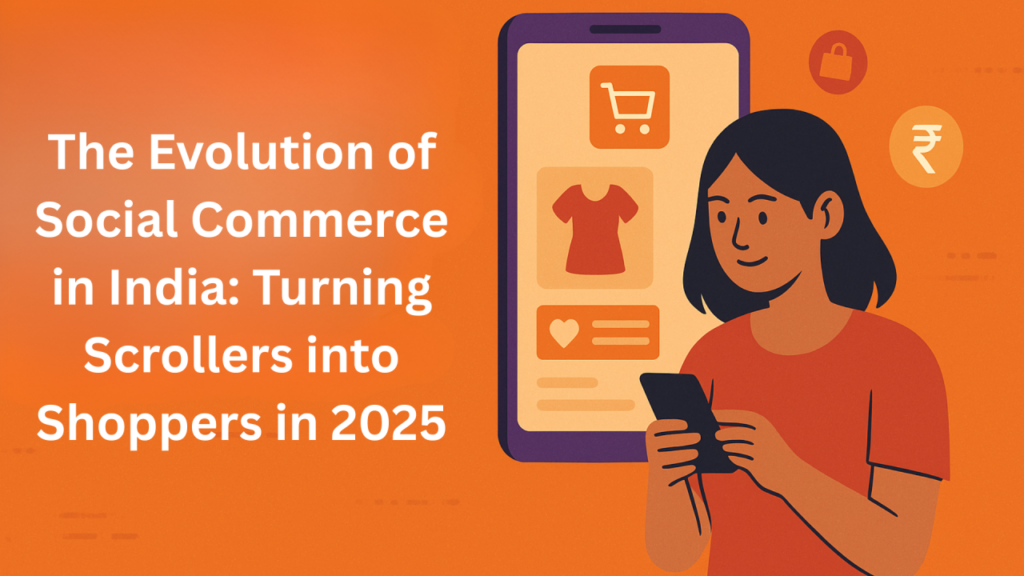
In WhatsApp groups, customers don’t search. They browse.
They scroll through photos.
They discover products accidentally.
They buy emotionally.
Meesho realized this behavior wasn’t temporary—it was permanent.
The 2021 Pivot: From Reseller Platform to Marketplace

When Meesho transitioned to a full marketplace, it didn’t copy Amazon’s search-first design.
Instead, it built a discovery-led experience:
- Infinite scrolling feeds
- Algorithmic curation
- Bazaar-style browsing
This preserved what made resellers successful while removing the constraint of limited social networks.
Discovery wasn’t a stepping stone.
It was the destination.
Insight 5: Low AOV Isn’t a Weakness—It’s a Moat

Most startups chase higher Average Order Values.
Meesho went the opposite way.
Why?
Because 88% of India lives outside the top eight cities.
This population:
- Is extremely price-sensitive
- Is willing to wait longer for delivery
- Is underserved by premium logistics models
Amazon and Flipkart cannot profitably serve this segment at scale.
Meesho could—because it rebuilt the cost structure from scratch.
Zero Commission and the Explosion of Supply

Meesho launched a zero-commission model, attracting sellers with low-value, unbranded products that had no home elsewhere.
Its revenue came from:
- Advertising – Sellers paid for visibility in scrolling feeds
- Logistics fees – Sellers paid shipping, Meesho optimized delivery costs
Low AOV became a defensive moat competitors couldn’t cross.
But logistics remained the hardest problem.
Insight 6: India’s Logistics Fragmentation Is an Advantage

Shipping a ₹200 kurta to a remote village is brutal for unit economics.
Traditional logistics players avoid these routes.
Building owned infrastructure would take years and billions.
Meesho chose a third path.
Valmo: Orchestrating Chaos at Scale
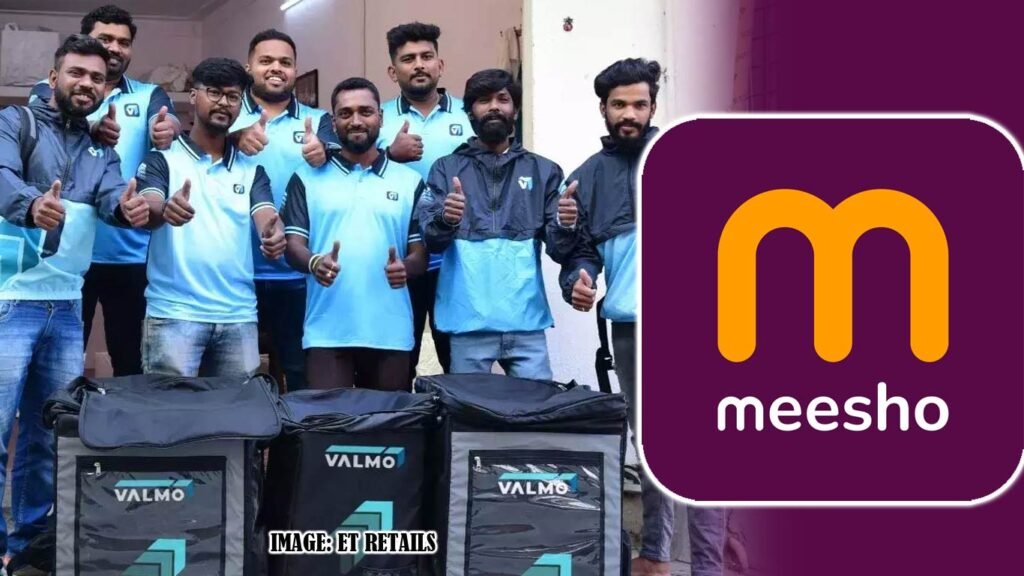
Instead of building logistics, Meesho built Valmo—a logistics orchestration platform.
Valmo doesn’t deliver packages.
It coordinates thousands of local partners.
For every order, it:
- Analyzes destination, weight, urgency
- Selects the best combination of local carriers
- Optimizes routes dynamically
This turned fragmentation into leverage.
Creating New Entrepreneurs Through Logistics
Valmo created two income layers:
1. Delivery Pilots
- Anyone with a smartphone and two-wheeler
- Earn ₹15,000–30,000 per month
- Flexible, hyperlocal work
2. Delivery Hub Operators
- Small investment
- Manage pickups and sorting
- Earn ₹30,000–50,000 per month
By 2024:
- Valmo handled 62% of Meesho’s orders
- Covered 15,000 pin codes
- Reduced logistics costs by ~12%
No warehouses. No fleets. No massive capex.
The Bigger Lesson: Build With India, Not Over It
Meesho’s success isn’t accidental.
At every step, it chose:
- Observation over assumptions
- Orchestration over ownership
- Inclusion over optimization
It didn’t simplify India.
It embraced India.
With its IPO filing, Meesho proves that scale, sustainability, and profitability are possible—not by copying global models, but by building deeply local ones.
In doing so, Meesho didn’t just build an e-commerce company.
It built infrastructure for India’s invisible entrepreneurs—and turned complexity into its greatest competitive advantage.
For more details Inside Meesho: Insights from India’s most misunderstood unicorn — Entrepreneur