
In today’s interconnected world, commerce is no longer limited to physical stores, cash registers, and local markets. The internet has fundamentally reshaped the way we buy and sell products and services, giving rise to what we now know as ecommerce—a dynamic digital ecosystem that connects businesses, consumers, and services globally.
What Is Ecommerce?
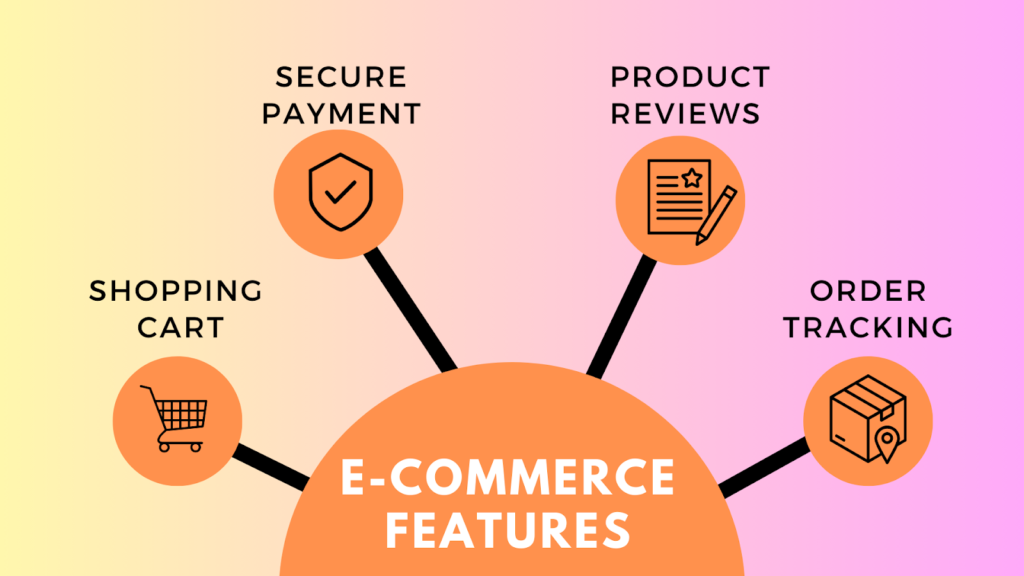
At its core, ecommerce—also called electronic commerce or internet commerce—is the buying and selling of goods and services online. It encompasses not only the transactions themselves but also the transfer of money and data necessary to complete these sales.
While discussions about e-commerce often revolve around platforms, payment gateways, and online marketing, one surprisingly common question is: how should it be spelled?
There isn’t a universally correct spelling. Variations include:
- e-commerce
- E-commerce
- ecommerce
- Ecommerce
- eCommerce
- e commerce
Ultimately, the choice of spelling is personal, but understanding the concept of ecommerce is far more important than debating hyphens and capitalization.
How Does Ecommerce Work?
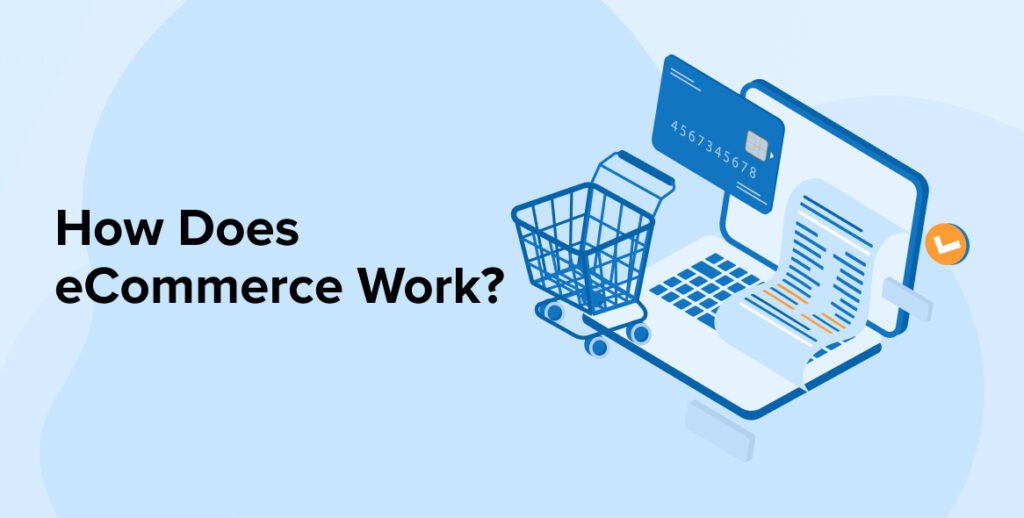
The process of ecommerce can seem seamless to customers, but it involves multiple steps and systems working together. When a customer places an order online, the transaction typically follows this sequence:
- Order Placement: The customer selects products or services via an online store, website, or social media channel.
- Inventory Check: The ecommerce platform verifies stock availability.
- Payment Processing: The system ensures that payment has been received through secure gateways.
- Order Confirmation: The customer receives confirmation that the transaction is successful.
- Order Fulfillment: The shipping department or service provider receives instructions to deliver the product or service.
Ecommerce platforms automate much of this process, making online buying and selling efficient, scalable, and convenient.
Types of Ecommerce: Business Models and Examples
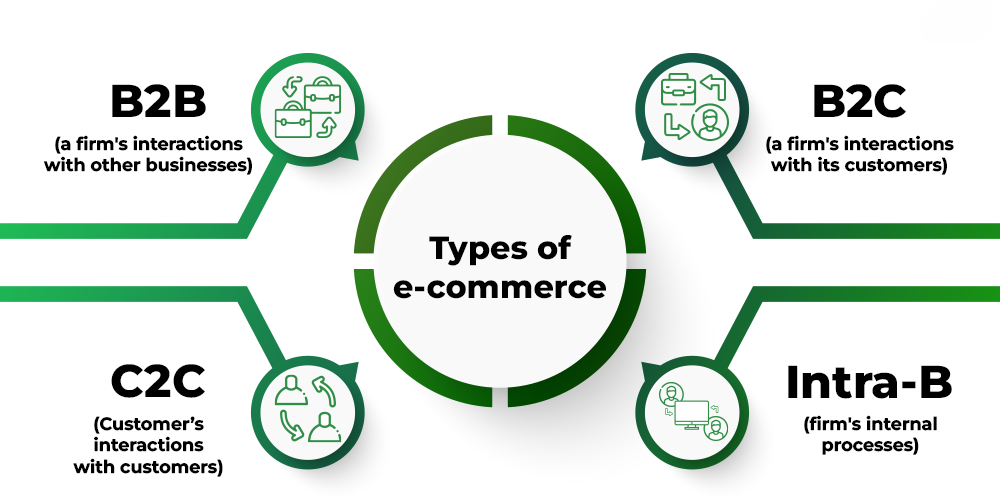
Ecommerce isn’t one-size-fits-all. Over time, several distinct models have emerged, each catering to different market dynamics:
1. Business to Consumer (B2C)
B2C is the most common ecommerce model. In this setup, businesses sell directly to end consumers. Examples include online retailers like Amazon and Flipkart, where customers purchase goods ranging from electronics to clothing.
2. Business to Business (B2B)
B2B ecommerce occurs when a company sells products or services to another business. This can include manufacturers supplying raw materials to wholesalers, or wholesalers supplying retailers. Unlike B2C, B2B transactions are usually high-volume, and products may be specialized or customized.
3. Direct to Consumer (D2C)
D2C is a relatively newer model that has grown rapidly with social media. Here, brands sell directly to consumers without intermediaries like distributors or retailers. Subscription services, limited-edition products, and social selling through Instagram, TikTok, and Pinterest are examples of D2C commerce.
4. Consumer to Consumer (C2C)
C2C enables individuals to sell products or services to other individuals. Popular platforms for C2C commerce include eBay, Etsy, and Fiverr, where independent sellers connect with buyers without any business intermediaries.
5. Consumer to Business (C2B)
In C2B, individuals offer products or services to businesses. Freelancers, influencers, photographers, and consultants often operate in this model, providing value that businesses cannot produce internally.
6. Business to Government (B2G)
B2G—or business-to-administration (B2A)—involves companies supplying goods or services to government entities. Examples include contracts for infrastructure, cleaning services, or IT systems provided to municipal authorities or government agencies.
7. Consumer to Government (C2G)
C2G allows individuals to interact with government services, such as paying taxes or utility bills online. It facilitates feedback, requests, and transactions directly between citizens and authorities.
Types of Products and Services Sold via Ecommerce
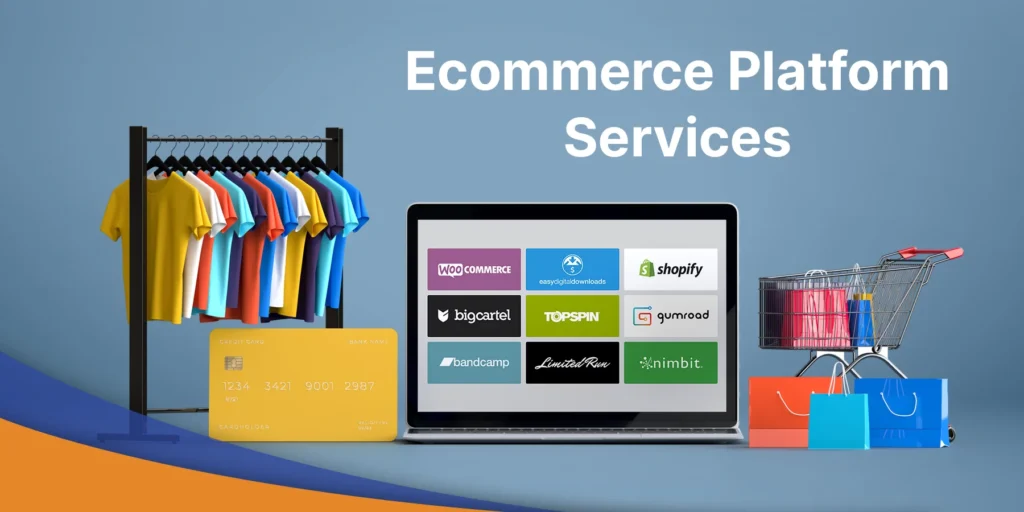
Ecommerce is versatile and can handle a variety of goods and services:
1. Physical Goods
These are tangible items with mass and form, including both durable goods like cars, TVs, and furniture, and non-durable goods like food, cosmetics, and beverages. Physical products remain the largest segment of ecommerce.
2. Digital Goods
Digital products are intangible and exist entirely in electronic form. Examples include software, e-books, music, video files, and templates. These products are delivered digitally, eliminating the need for physical shipping.
3. Services
Ecommerce also facilitates service delivery. This includes healthcare, transportation, online education, coaching, and consultancy. In essence, services are transactions where value is delivered without a tangible product.
Ecommerce Revenue Models
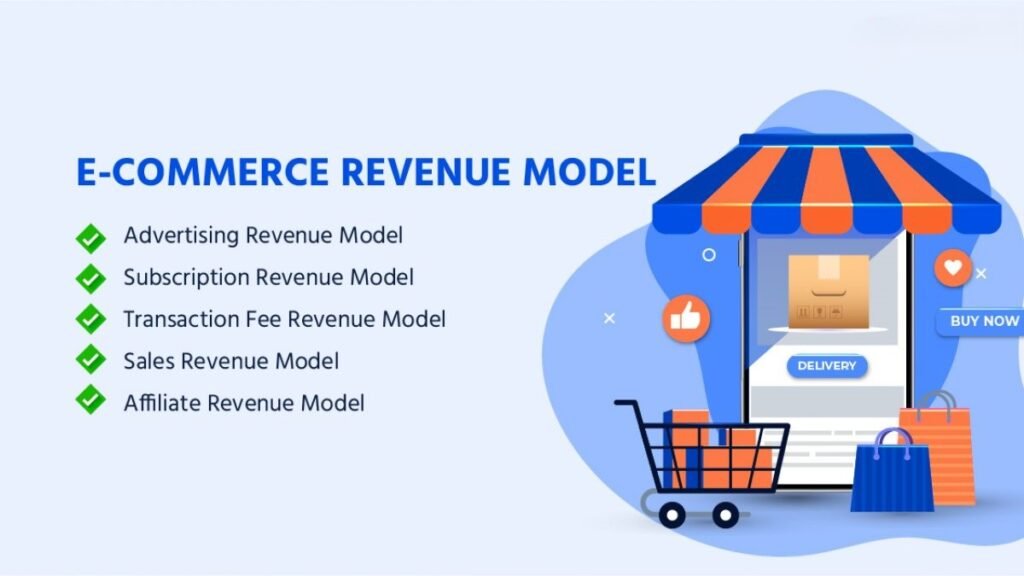
Different businesses adopt different revenue models depending on their product, target audience, and operational setup. Some of the most common ecommerce models include:
1. Retail
Also called online retail, e-tail, or e-retail, retail ecommerce involves selling products or services directly to consumers through an online store.
2. Dropshipping
In this model, sellers market products but don’t hold inventory. When an order is placed, a third-party supplier ships the item directly to the customer. This reduces capital investment but requires reliable suppliers.
3. Digital Products
Revenue is earned by selling downloadable items such as online courses, e-books, software, and digital media. These transactions are typically scalable with low marginal costs.
4. White Labeling
White labeling involves selling products produced by another manufacturer under the seller’s branding. The seller manages marketing and distribution while the manufacturer handles production.
5. Wholesaling
Wholesaling involves selling products in bulk to retailers or distributors rather than directly to individual consumers. It allows for high-volume sales but often at lower margins per unit.
6. Private Labeling
Similar to white labeling, private labeling involves contracted manufacturers producing goods according to the seller’s specifications. The seller controls branding and packaging, while manufacturing is outsourced.
7. Services
Freelancers and service-based businesses can sell skills such as writing, coaching, graphic design, or digital marketing online. Payment is typically received upon project completion or subscription.
8. Subscription
Subscriptions involve recurring purchases, either for products like food kits or for services such as streaming platforms, online courses, or health products.
9. Crowdfunding
Crowdfunding allows businesses to raise startup capital by pre-selling a product to customers who fund its production. This model reduces financial risk while testing market demand.
Benefits of Ecommerce
The rise of ecommerce has revolutionized commerce for both consumers and businesses. Some of the key advantages include:
1. Convenience and Accessibility
Ecommerce is available 24/7. Customers can browse and purchase products anytime, anywhere, using a mobile device or computer. For businesses, this translates into a continuous revenue stream.
2. Wider Selection of Products
Online stores aren’t limited by physical shelf space. Businesses can offer extensive product ranges, exclusive inventory, and promotions that may not be available in brick-and-mortar stores.
3. Lower Start-Up Costs
Launching an online business eliminates many costs associated with physical stores, including rent, utilities, and staff. While warehouses and logistics may still require investment, initial expenses are typically lower.
4. Global Reach
Ecommerce allows businesses to sell internationally. As long as shipping or service delivery is possible, businesses can reach customers beyond their local geography, maximizing potential sales.
5. Customer Retargeting
Online businesses can use retargeting strategies to engage existing customers or acquire similar new customers. Targeted campaigns based on purchase history, abandoned carts, or browsing behavior can significantly boost conversion rates.
6. Scalability
Online platforms can handle high traffic, spikes in demand, and growing product inventories without physical expansion. This makes scaling more efficient and cost-effective.
7. Personalized Experiences
AI and data analytics enable personalization in ecommerce. From product recommendations and dynamic pricing to curated marketing campaigns, businesses can enhance the customer journey and increase revenue per user.
8. Access to Advanced Technology
Ecommerce businesses benefit from innovations such as automation, AI-driven analytics, customer relationship management, and seamless payment systems—tools that traditional stores may not easily implement.
Disadvantages of Ecommerce
Despite its advantages, ecommerce also has limitations:
1. Limited Physical Interaction
Customers cannot touch, feel, or try products online. Issues with sizing, quality, or compatibility may arise, leading to returns or dissatisfaction.
2. No Instant Gratification
Unlike in-store purchases, customers must wait for delivery. Even with expedited shipping, ecommerce cannot provide immediate product acquisition.
3. Technology Dependence
Website downtime, payment failures, or security breaches can halt sales. Businesses must invest in robust systems and cybersecurity measures.
4. Fierce Competition
Low barriers to entry mean that competitors can easily replicate products or undercut prices, forcing businesses to constantly innovate and refine marketing strategies.
The Future of Ecommerce
Ecommerce continues to evolve, fueled by innovations in mobile technology, AI, social commerce, and payment systems. Models like D2C and social selling are reshaping customer expectations, while cross-border ecommerce and AI personalization are unlocking global growth opportunities.
For entrepreneurs, small businesses, and established corporations alike, ecommerce provides a platform to reach audiences, scale operations, and deliver value without the limitations of geography or physical infrastructure.
Whether selling physical products, digital goods, or services, businesses can harness ecommerce to meet customer needs, expand revenue streams, and remain competitive in an increasingly digital world.
For a detailed guide, see Ecommerce Explained by BigCommerce.