

In today’s digital age, selling online is no longer limited to physical goods. Digital products—intangible assets that can be created once and sold repeatedly—are reshaping the ecommerce landscape. By learning to Sell Smarter: Launch & Grow Your Digital Products Business, you can explore profitable opportunities such as ebooks, online courses, templates, music, and AI-powered tools. This approach helps you monetize your knowledge, creativity, and skills with minimal overhead and unlimited scalability.
Ecommerce is booming, projected to reach $8 trillion by 2027, with digital products playing a pivotal role in this growth. Unlike physical products, digital goods don’t require inventory, packaging, or shipping. Once created, they can be sold repeatedly to a global audience, offering passive income, scalability, and flexibility. Whether you are a freelancer, artist, educator, or entrepreneur, mastering how to sell smarter: launch & grow your digital products business is key to building a successful digital product venture from scratch.
Why Digital Products Are a Smart Choice

Digital products are unique because they eliminate the logistical hurdles associated with physical goods. No manufacturing, no storage, no shipping delays. The moment a customer completes a purchase, your product is delivered instantly. By learning to sell smarter: launch & grow your digital products business, you can leverage this immediacy to provide a strong value proposition, especially in a world where convenience is king.
Beyond speed, digital products offer both environmental and financial benefits:
- Lower overhead costs: No need to rent storage or manage inventory.
- Sustainability: Reduces waste from manufacturing, packaging, and transportation.
- Global reach: Sell anywhere, anytime, without physical barriers.
- Passive income potential: A well-crafted product can generate revenue for months or years with minimal intervention.
Digital commerce allows businesses of all sizes to compete on equal footing. By understanding how to sell smarter: launch & grow your digital products business, small entrepreneurs can reach the same global audience as major brands, provided they have the right strategy, tools, and marketing approach.
Types of Digital Products You Can Sell
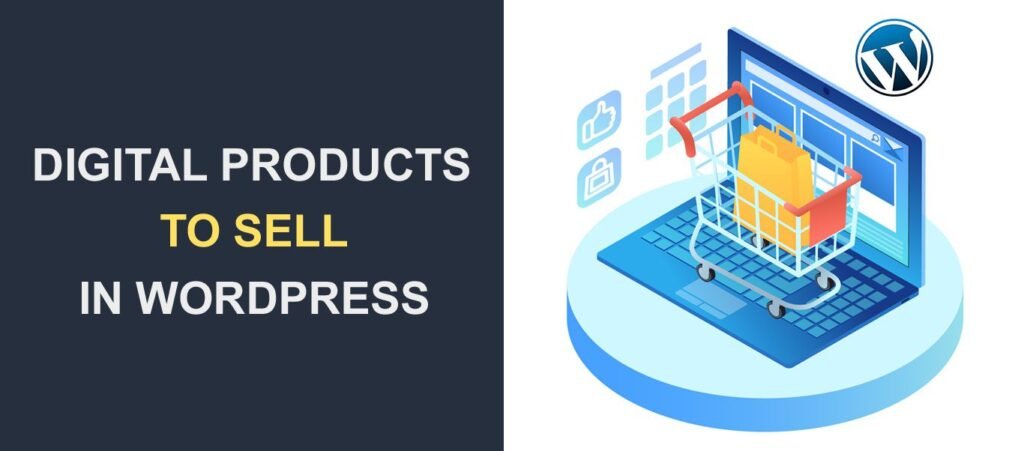
To succeed in the digital marketplace, you first need to decide what type of product aligns with your expertise and audience. By learning to sell smarter: launch & grow your digital products business, you can choose the most profitable options and maximize revenue.
1. Online Courses and Educational Products
Online learning is booming. By 2025, the global online education market is projected to reach $203.81 billion, growing to $279.30 billion by 2029.
What you can sell:
- Structured online courses hosted on your website or platforms like Teachable and Paradiso LMS
- Ebooks providing valuable guidance or insight
- Audio content such as podcasts or audiobooks
Getting started:
Package your knowledge into a well-organized course or guide. Use ecommerce platforms to manage sales, access, and delivery. Promote your content via email campaigns, social media, or webinars.
Pro tip: Offer free introductory content to build credibility and trust before launching paid products.
2. Licenses for Digital Assets
Creative professionals can monetize digital assets through licensing, allowing buyers to legally use your work.
Examples of licensed products:
- Stock photos and illustrations
- WordPress themes and website templates
- Infographics, video clips, and music tracks
Where to sell:
- Your own ecommerce store using tools like SendOwl, which automates license key delivery
- Marketplaces like Creative Market, Envato, or Canva, which offer wider reach but charge commission
Licensing models:
- Royalty-Free: One-time purchase for ongoing use; simple but non-exclusive
- Rights-Managed: Usage restricted by parameters like duration, location, or industry; higher potential revenue
- Exclusive: Single buyer gains sole rights for a set period
- Extended Licenses: Allows additional use, such as merchandising or unlimited reproduction
Pricing considerations: Value your product based on time saved, uniqueness, quality, and intended usage using cost-based, market research, or value-based pricing strategies.
3. Music, Art, and NFTs
Artists and musicians no longer rely solely on live performances or physical merchandise. Digital formats open multiple revenue streams.
How to monetize:
- Musicians: Sell tracks, beats, or ringtones
- Filmmakers: Offer downloads or streaming access to films
- Visual artists: Sell digital artwork, wallpapers, and printable cards
The evolving NFT landscape: Successful NFT projects focus on community engagement, real-world utility, and cross-platform interoperability. Offer perks like exclusive content, memberships, or access to virtual events to engage customers and monetize effectively.
4. Digital Productivity Tools
Remote work and global collaboration have increased demand for software that boosts efficiency.
Opportunities include:
- Niche tools for industry-specific workflows
- Compliance-focused platforms (e.g., HIPAA or GDPR)
- Lightweight apps for freelancers or small teams
Market potential: The global collaboration software market is projected to reach $16.62 billion by 2029. Digital productivity tools offer strong business potential due to their essential nature and high adoption rates.
5. Membership Models
Memberships provide recurring revenue by turning one-time buyers into loyal customers.
What to offer:
- Access to courses, coaching sessions, templates, or exclusive content
- Community perks, discounts, or early releases
Pricing strategies:
- Tiered plans with varying features
- Freemium or free trial options to attract users
- Annual plans with discounts to encourage upfront payment
Memberships increase retention, engagement, and lifetime value while creating predictable revenue streams.
6. AI-Driven Digital Tools
Artificial intelligence is revolutionizing digital products by enabling personalized experiences, automation, and problem-solving.
Examples:
- No-code platforms for building apps without programming knowledge
- Adaptive educational platforms for tailored learning experiences
- Mental health applications offering diagnostic support and therapy tools
AI-powered products are highly scalable, allowing businesses to sell smarter: launch & grow your digital products business by providing high-value solutions with reduced manual effort.
How to Sell Digital Products Effectively

Selling digital products successfully requires the right platform and strategy. By learning to sell smarter: launch & grow your digital products business, you can leverage robust ecommerce solutions like BigCommerce to simplify management, automate delivery, and support scalable growth.
Advantages of selling through a professional platform:
- Streamlined B2B operations with custom pricing, bulk orders, and invoicing
- Multi-channel reach across websites, marketplaces, and social media
- Secure payment processing supporting multiple gateways and currencies
- Automation of workflows and customer support
Essential platform features:
- Ample cloud storage for large digital files
- Fast, intuitive checkout for improved conversions
- Integration with multiple payment gateways for global reach
- Transparent pricing without hidden transaction fees
Optimized checkout strategies:
- One-click purchases to reduce cart abandonment
- Limited-time offers to create urgency
- Clear security indicators to build trust
- Instant support via chat during checkout
Choosing the right platform and applying these strategies allows businesses to sell smarter: launch & grow your digital products business efficiently while providing a seamless experience for customers.
A Six-Step Action Plan for Launching Your Digital Product
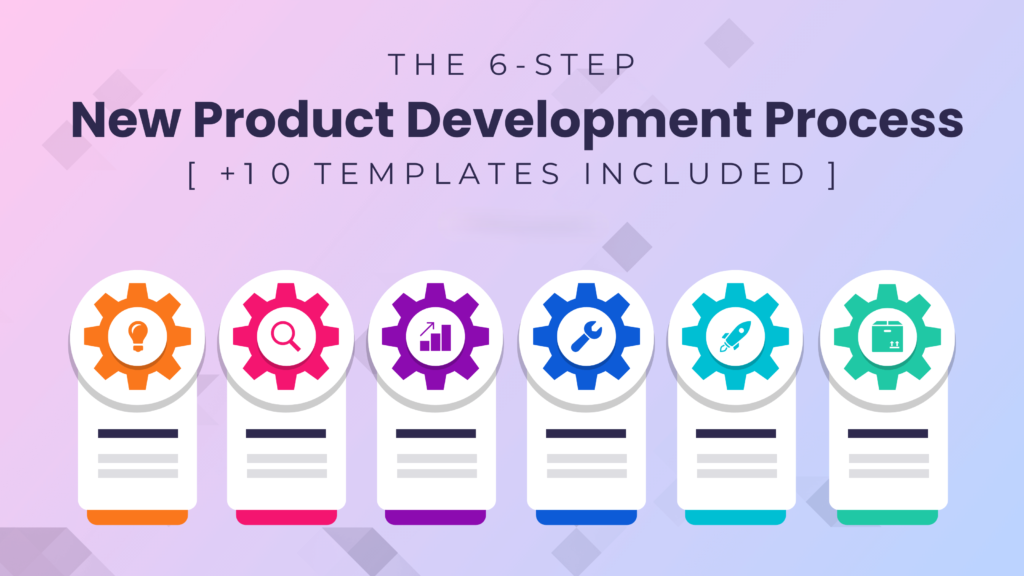
1. Brainstorm and Research
Generate ideas without restriction. Ask yourself:
- What topics or skills excite me?
- What problems can I solve for my audience?
- Which products complement my existing offerings?
Validate ideas through forums, social media, and AI-driven trend analysis tools to identify what resonates with your target market.
2. Validate Your Concept
Use keyword research, trend analysis, audience surveys, and minimum viable products (MVPs) to confirm demand before investing heavily in development.
3. Define Your Target Audience
Avoid marketing to everyone. Understand demographics, psychographics, online habits, and professional roles to create personalized customer personas that maximize engagement.
4. Develop Your Product Professionally
Whether it’s a course, software tool, or digital template, focus on high-quality content. Leverage AI for design, audio, coding, or content creation, while ensuring your expertise shines through.
5. Market Strategically
Use an omnichannel approach to reach your audience effectively:
- Email marketing with automation and segmentation
- Social media campaigns and engagement
- Content marketing to demonstrate expertise
- Partnerships, influencer collaborations, and affiliate programs
6. Improve Continuously
Collect feedback, monitor user behavior, and refine your product regularly. Stay updated on market trends to ensure your offerings remain relevant and competitive.
By following these steps, you can sell smarter: launch & grow your digital products business efficiently, reaching the right audience and maximizing revenue potential.
Marketing Tips for Digital Products
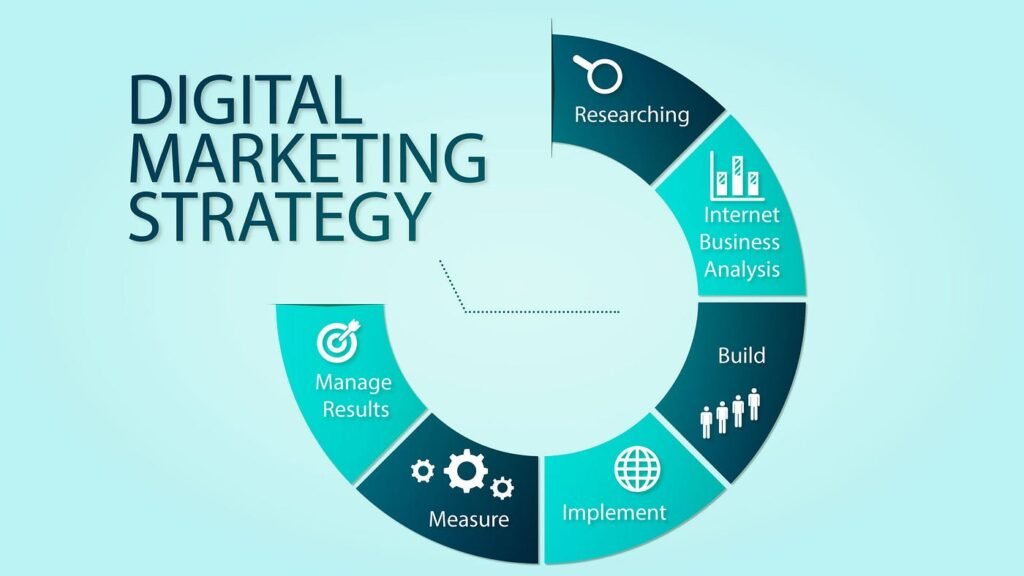
To sell smarter: launch & grow your digital products business, an effective marketing and distribution strategy is essential. Here’s how to reach and convert your audience efficiently:
Email Marketing
Segment your audience based on interest, engagement, and purchase history. Use automated workflows for:
- Welcome sequences
- Onboarding campaigns
- Abandoned cart recovery
- Upsell campaigns
Social Media Marketing
Create valuable, interactive content to engage your community. Utilize shopping tags, one-click checkout, and social commerce tools to convert followers into paying customers.
Third-Party Platforms
Sell through marketplaces tailored to your product type:
- Courses: Teachable, Skillshare, Udemy
- Ebooks: Amazon Kindle, Apple Books
- Digital Assets: Envato, Creative Market
- Memberships: Patreon, Podia
Trust & Customer Satisfaction
Deliver high-quality products, provide clear descriptions and previews, display testimonials, offer money-back guarantees, and maintain responsive customer support. Protect content with DRM while ensuring user convenience.
By combining these strategies, you can sell smarter: launch & grow your digital products business, expanding your reach, boosting conversions, and building long-term customer trust.
Why Now Is the Perfect Time to Sell Digital Products
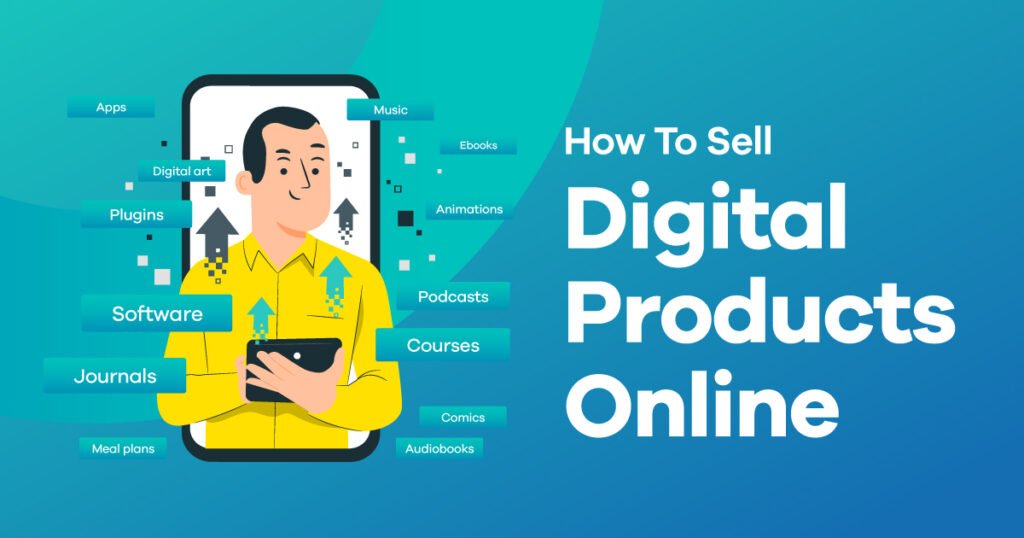
The digital product market is expanding rapidly. By 2028, the global market is projected to reach $331.05 billion, with a CAGR of 8.59% from 2023 to 2028. Learning to sell smarter: launch & grow your digital products business allows creators and entrepreneurs to capitalize on this booming market.
Benefits of selling digital products:
- Scalability without additional infrastructure
- 24/7 revenue generation
- Instant global distribution
- Sustainable and flexible business models
Real-world platforms like Thinkific, Teachable, Envato, Gumroad, and Skillshare demonstrate the potential for creators and businesses to sell smarter: launch & grow your digital products business, reaching global audiences and generating revenue efficiently.