
The global digital retail industry is changing at an unprecedented pace, and E-Commerce Trends 2026 are expected to bring even deeper transformation. As online shopping becomes an essential part of everyday life, businesses must stay updated with the latest innovations to remain competitive. From artificial intelligence and automation to quick commerce and instant delivery, E-Commerce Trends 2026 will reshape how sellers operate, how customers shop, and how technology influences the online retail ecosystem.
In this article, we explore the most important E-Commerce Trends 2026, offering insights into emerging technologies, evolving consumer behavior, and strategic shifts that will define the future of digital commerce.
1. Artificial Intelligence and Machine Learning in E-Commerce Trends 2026

Artificial intelligence (AI) and machine learning (ML) continue to play a central role in E-Commerce Trends 2026. While these technologies are already widely used, their impact will grow significantly in the coming years as businesses rely on automation and data-driven decision-making.
AI-Powered Personalization
Personalization is one of the most powerful E-Commerce Trends 2026. AI analyzes customer behavior, browsing patterns, and purchase history to deliver highly relevant product recommendations. Personalized shopping experiences increase conversion rates, boost average order value, and strengthen customer loyalty.
Smart Chatbots and Customer Support
AI-powered chatbots are transforming customer service under E-Commerce Trends 2026. These intelligent systems handle customer queries instantly, assist with product discovery, track orders, and resolve issues efficiently—reducing operational costs while improving customer satisfaction.
Predictive Analytics
Machine learning enables e-commerce brands to predict demand, optimize inventory, and minimize wastage. As part of E-Commerce Trends 2026, predictive analytics allows retailers to make smarter decisions and improve profitability.
2. Quick Commerce and Instant Delivery in E-Commerce Trends 2026

Quick commerce, also known as Q-commerce, is one of the fastest-growing E-Commerce Trends 2026. Unlike traditional e-commerce models that rely on next-day or multi-day delivery, quick commerce focuses on fulfilling orders within minutes.
Swiggy Instamart and Blinkit
Platforms such as Swiggy Instamart and Blinkit have redefined consumer expectations by offering instant delivery of groceries and daily essentials. These platforms represent a major shift within E-Commerce Trends 2026, where speed and convenience dominate purchasing decisions.
Micro-Warehouses and Dark Stores
Quick commerce depends on strategically placed micro-warehouses or dark stores. These fulfillment centers help brands meet ultra-fast delivery promises and will continue expanding into metro and tier-2 cities under E-Commerce Trends 2026.
Changing Consumer Expectations
Modern consumers now expect fast delivery, real-time tracking, and seamless checkout. Businesses that fail to adopt quick commerce strategies risk losing relevance in the evolving E-Commerce Trends 2026 landscape.
3. Social Commerce and Live Selling in E-Commerce Trends 2026

Social commerce is becoming a powerful driver of E-Commerce Trends 2026, merging social media engagement with online shopping.
Live Streaming for Sales
Live selling enables brands to showcase products in real time while interacting directly with viewers. This interactive format builds trust and urgency, making live commerce a major contributor to E-Commerce Trends 2026.
Social Media Integration
Shoppable posts, reels, and stories on platforms like Instagram, Facebook, and WhatsApp allow users to purchase products without leaving the app. This frictionless buying experience strengthens social commerce within E-Commerce Trends 2026.
4. Voice Commerce and Smart Assistants

Voice-enabled shopping is emerging as a key innovation in E-Commerce Trends 2026. With the growing adoption of smart devices, voice search and voice purchasing are becoming more common.
Voice Search Optimization
To stay competitive in E-Commerce Trends 2026, retailers must optimize product listings for conversational voice queries using natural language and long-tail keywords.
Hands-Free Shopping
Voice commerce allows users to shop without screens, offering convenience for busy households and accessibility for visually impaired consumers.
5. Augmented Reality (AR) and Virtual Reality (VR) Shopping

AR and VR are transforming online retail experiences and are among the most engaging E-Commerce Trends 2026.
AR Try-On Experiences
Augmented reality enables customers to visualize products such as clothing, furniture, and cosmetics before purchasing. This reduces return rates and improves customer confidence.
Virtual Showrooms
Virtual reality allows users to explore digital stores and interact with products in immersive environments, adding a new dimension to E-Commerce Trends 2026.
6. Mobile-First and App-Based Shopping

Mobile commerce remains at the core of E-Commerce Trends 2026, with smartphones driving the majority of online purchases.
Mobile Payments and Digital Wallets
UPI, digital wallets, and app-based payments simplify the checkout process and reduce cart abandonment.
Progressive Web Apps (PWAs)
PWAs deliver app-like experiences without downloads, making them an essential part of mobile-focused E-Commerce Trends 2026.
7. Subscription-Based Models in E-Commerce Trends 2026

Subscription commerce is growing rapidly as part of E-Commerce Trends 2026, offering predictable revenue and long-term customer relationships.
Subscription Boxes
Curated monthly boxes for beauty, groceries, and niche products provide convenience and surprise.
Recurring Services
Recurring delivery of essentials such as food, pet supplies, and household goods increases customer lifetime value.
8. Sustainability and Eco-Friendly Practices

Sustainability has become a critical element of E-Commerce Trends 2026, as consumers increasingly favor environmentally responsible brands.
Sustainable Packaging
Recyclable and biodegradable packaging is now a major selling point.
Green Logistics
Optimized delivery routes and reduced carbon emissions enhance brand reputation within E-Commerce Trends 2026.
9. AI-Powered Pricing and Dynamic Offers

Dynamic pricing is gaining importance in E-Commerce Trends 2026 as AI helps retailers adjust prices in real time.
Personalized Discounts
AI-driven pricing tools allow customized offers based on customer behavior.
Flash Sales and Smart Promotions
Limited-time deals and demand-based pricing help maximize conversions and revenue.
10. Cross-Border Expansion in E-Commerce Trends 2026
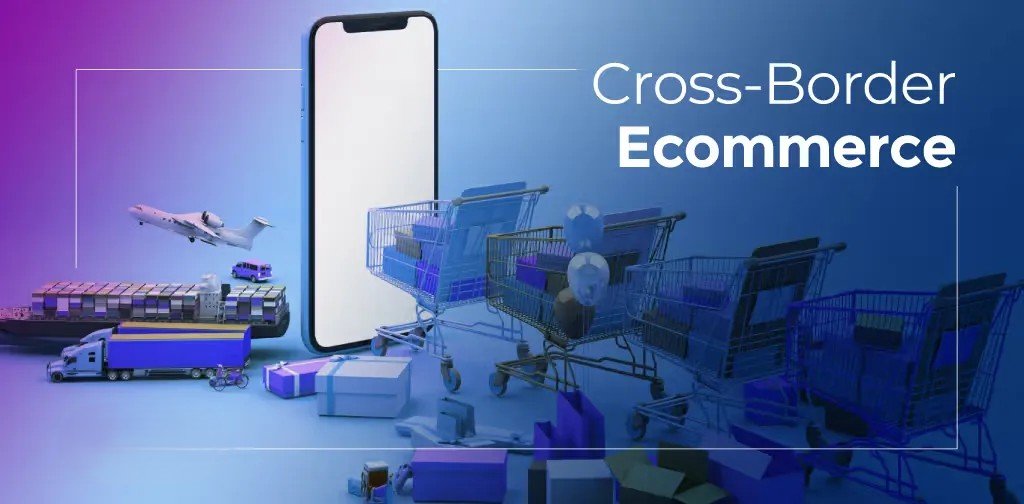
Cross-border e-commerce continues to grow under E-Commerce Trends 2026, driven by improved logistics and global payment systems.
Selling Globally
Marketplaces like Shopify and Amazon Global enable even small sellers to reach international audiences.
Localized Shopping Experiences
Localized pricing, languages, and payment options improve trust and conversions.
11. Hyperlocal Delivery and Micro-Fulfillment

Hyperlocal commerce is a major extension of E-Commerce Trends 2026, focusing on speed and proximity.
Faster Last-Mile Delivery
Micro-fulfillment centers enable same-day or instant delivery.
Integration with Quick Commerce
12. Omnichannel Retail Experiences

Omnichannel strategies are becoming essential within E-Commerce Trends 2026, connecting online and offline shopping.
Click-and-Collect Options
Customers can order online and pick up in-store, combining speed and flexibility.
Unified Customer Journeys
A seamless experience across digital and physical touchpoints improves retention and loyalty.
13. Emerging Payment Methods
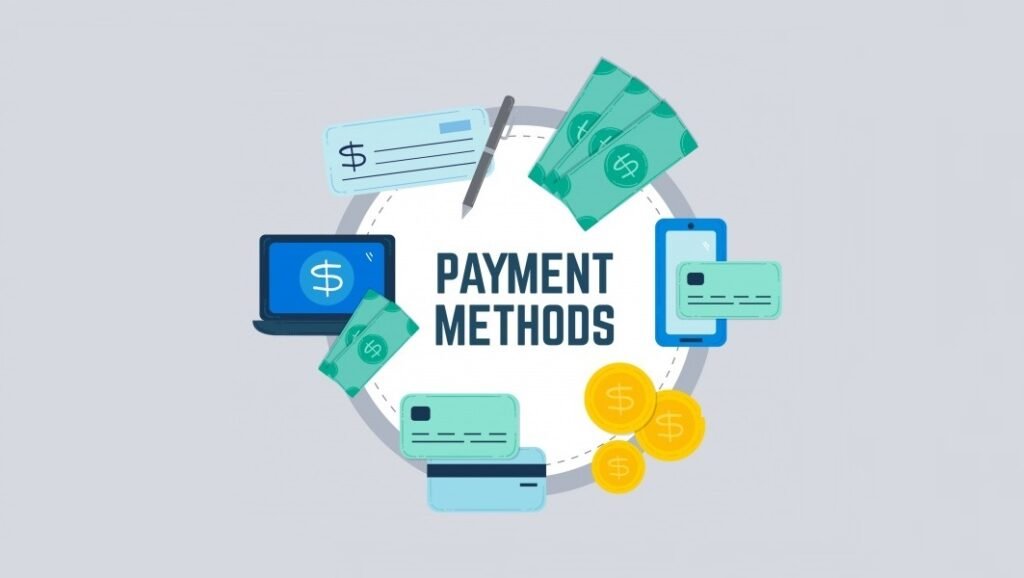
Innovative payment solutions are shaping E-Commerce Trends 2026.
Buy Now, Pay Later (BNPL)
BNPL increases affordability and boosts average order value.
Cryptocurrency Payments
Some e-commerce platforms are beginning to accept crypto, appealing to tech-savvy consumers.