
The holiday shopping season is traditionally a retail high-water mark — marked by surging sales, peak customer engagement, and a significant spike in online orders. However, Post-Holiday E-Commerce Returns have become a growing challenge for retailers and customer support teams, threatening both profitability and customer experience. According to Dublin-based eDesk, an e-commerce customer service support company, retailers should expect up to a 45% increase in Post-Holiday E-Commerce Returns after Christmas, a surge that significantly strains customer service systems and erodes hard-earned holiday profits.
In this comprehensive analysis, we explore the implications of skyrocketing returns for e‑commerce brands, the operational stress it places on support teams, the associated fraud risks, changing consumer behaviors, strategic recommendations for retailers, and future outlooks for 2026 and beyond.
The Post‑Holiday Return Spike: A Growing Challenge
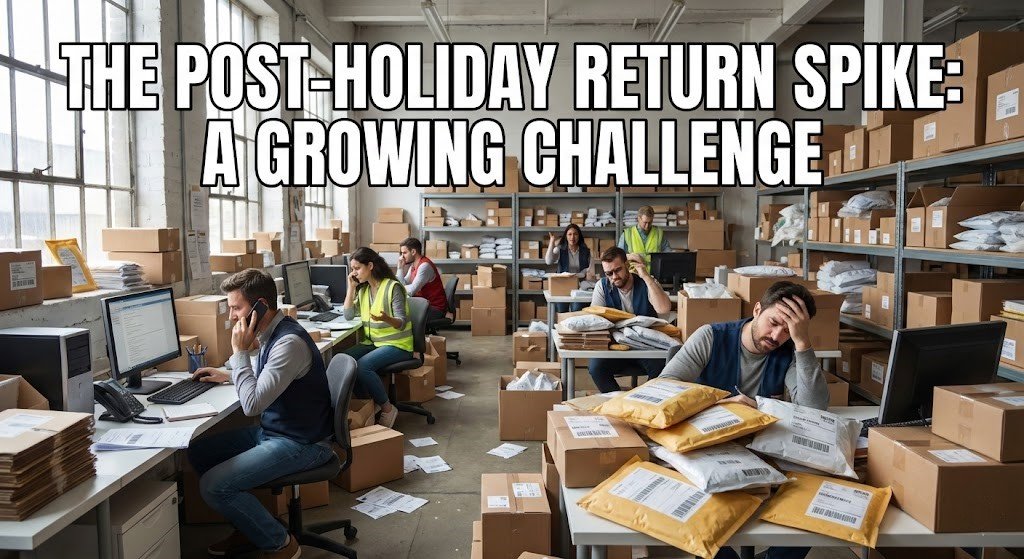
Following the holiday peak, retailers typically see an onslaught of returns as customers reconcile gift sizes, preferences, and expectations with the actual products received. This year, eDesk has projected a 45% increase in Post-Holiday E-Commerce Returns, a substantial jump compared to standard seasonal trends. These Post-Holiday E-Commerce Returns do not simply disappear into the ether — they trigger a series of cascading operational challenges across customer service, logistics, and back-office operations.
The immediate impact ripples into customer support workflows, creating longer resolution times and slower response rates. eDesk reports an average 28% increase in the time taken to resolve support requests during peak return periods. This slowdown is not just inconvenient. It costs time and money, degrades the quality of customer experience, and ultimately can reduce customer loyalty — a critical KPI for long‑term retail success.
The net effect is significant: retailers pursue every holiday penny, only to see much of that value offset by Post-Holiday E-Commerce Returns, higher returns management costs, extended customer support engagement, and declining customer satisfaction.
Support Teams Under Pressure — Extended Resolution Times
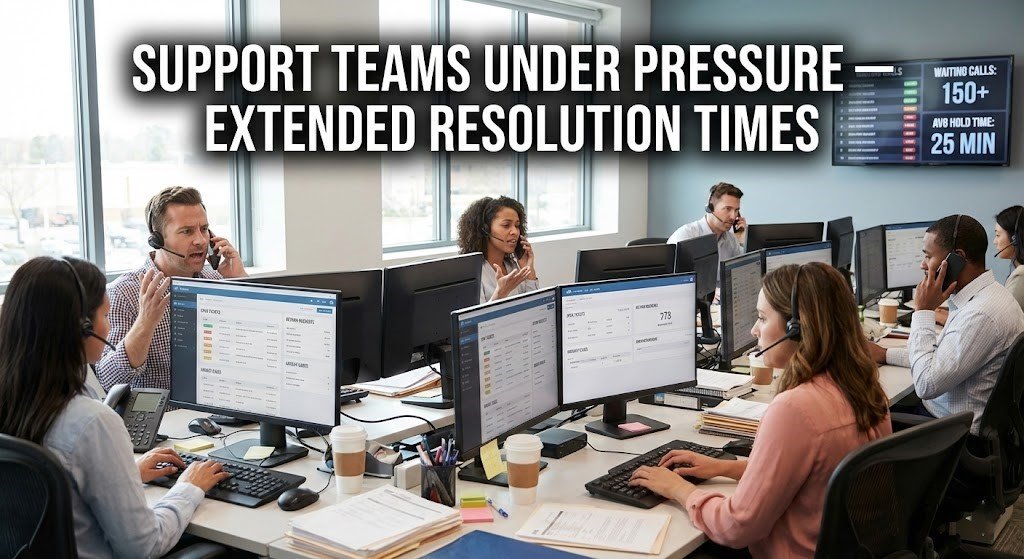
“The moment the holiday shopping rush ends, the real pressure starts,” said eDesk CEO Gareth Cummings. As Post-Holiday E-Commerce Returns surge, customer support teams often find themselves juggling unprecedented workloads, driven by a flood of inquiries about refunds, product replacements, and order status updates.
This support traffic is more complex than straightforward product queries during the holiday rush. Returning items prompts nuanced interactions — such as verifying eligibility, initiating refunds, handling return shipping, and communicating next steps — every step of which absorbs time from limited support resources.
The 28% climb in resolution times reflects this complexity. With more simultaneous cases in play, fewer agents available due to end‑of‑year staffing constraints, and an overwhelming influx of return inquiries, customer service systems become stretched thin.
When customers face long wait times or inconsistent communication during return processing, their overall perception of the brand suffers. This frustration can erode loyalty, diminishing repeat business, and ultimately draining future revenue.
Voices from Industry: Return Pressure Is Real

Industry experts outside of eDesk affirm that holiday return spikes are not isolated issues. Scott Gifis, CEO of New York City‑based fraud prevention firm NoFraud, highlighted that return surges create immense pressure on both customer support and back‑office operations.
He explained that retailers see marked increases in inquiries like:
- “Where is my refund?”
- “Has my return been received?”
- Chargeback claims
- Dispute requests
These questions, while valid, significantly increase operational load. Support teams must pivot from handling order status or product recommendations to detailed return logistics and refund processing — tasks that demand accuracy, empathy, and time.
Returns: A Defining Customer Experience

Gifis emphasized that returns are a defining moment in the customer relationship — sometimes even more pivotal than the initial purchase experience. If the return process is slow, opaque, or inconsistent, retailers risk losing customers even if the original purchase went smoothly.
Customer lifetime value depends on how effectively a brand handles post‑purchase interactions. Poor return experience can turn previously loyal customers away. According to Gifis, “Delayed refunds and inconsistent communication during peak return periods are a major driver of customer frustration.”
This period determines whether customers view a brand as trustworthy or cumbersome. As support teams become overwhelmed, brands risk turning prospective repeat customers into detractors.
Return Fraud and Chargeback Abuse: A Rising Threat

Beyond operational strain, increasing return rates have a darker side: fraud and abuse. Rising return volumes create fertile ground for malicious actors who exploit lax policies or overwhelmed systems.
This trend is significantly influenced by social media platforms, where “refund hacks” and return abuse tutorials have gained visibility. According to fraud‑prevention specialists like Sift, certain platforms — notably TikTok and Facebook — host content guiding consumers on deceptive return tactics. This includes:
- Filing false chargebacks
- Returning worn or damaged items
- Exploiting policy loopholes
Sift reports that chargebacks have increased by 233% since January, a staggering statistic that underscores how rapidly return abuse is spreading. Furthermore, about 22% of consumers have seen tutorials on fraudulent return techniques, with 34% discovering these on TikTok and 29% on Facebook.
These figures illustrate that return fraud is not theoretical — it is increasingly part of the modern customer behavior landscape and demands proactive prevention strategies.
The Ozempic Effect: Changing Consumer Behavior
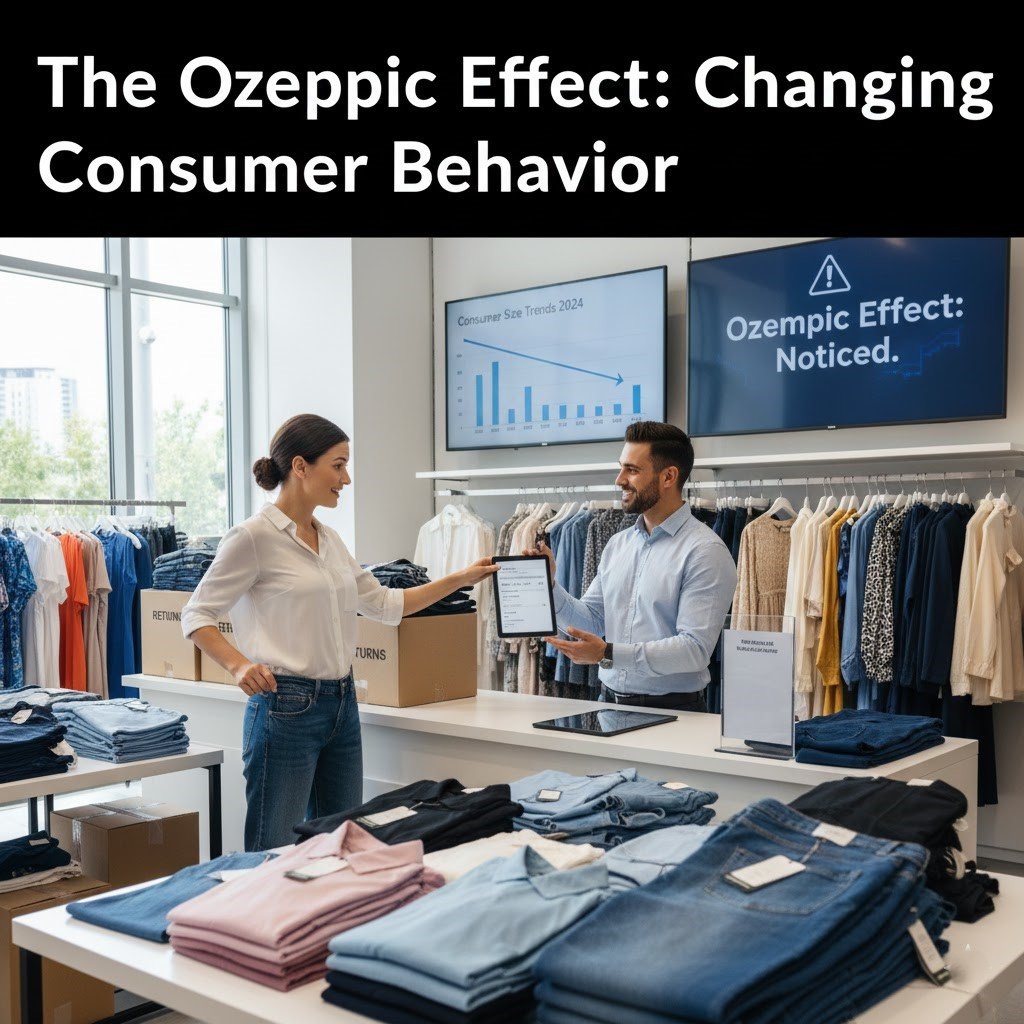
Return patterns are shaped not only by fraud but also by evolving consumer behavior. One unexpected factor complicating returns — particularly in apparel — is weight fluctuation influenced by drugs like Ozempic. Many consumers experience rapid physical changes, resulting in clothing that no longer fits as expected.
Industry professionals such as Amrita Bhasin, co‑founder and CEO of reverse logistics firm Sotira, confirm this trend. According to Bhasin, retailers are seeing a notable increase in apparel returns — though the rise spans most product categories.
This shift highlights the importance of ensuring accurate size guides, virtual fitting tools, and better pre‑purchase product information to mitigate returns motivated by fit uncertainty. As bodies change, retailers must adapt to meet evolving customer needs or risk escalating return volumes.
Tariffs, Forecasting Challenges, and Inventory Pain Points

Another factor compounding return challenges is the broader economic environment. According to return experts, Post-Holiday E-Commerce Returns are being further amplified by tariffs that have disrupted forecasting accuracy, making it harder for retailers to predict demand and plan inventory effectively.
Since the onset of the COVID‑19 pandemic, forecasting has been unstable. With additional tariff complexities, retailers face:
- Inventory mismatches
- Increased logistical costs
- Higher carrying costs due to unsold or returned products
These issues impact turnaround times for restocking, refunding, and recovering resale value — further eroding profitability.
Why Returns Hurt Retail Profits

he financial impact of Post-Holiday E-Commerce Returns extends beyond lost revenue from the original sale. Retailers lose money in multiple ways:
- Refunded Revenue – Customers receive their money back, reducing net sales.
- Inventory Devaluation – Returned items may be damaged, used, or unsellable.
- Logistics Costs – Return shipping, processing, and restocking consume time and money.
- Support Costs – Increased staffing and training expenses.
- Fraud Losses – Chargebacks and false returns cost retailers both revenue and operational bandwidth.
Shelly Hunter, a consumer gift card expert at eGifter, notes that once a fraudulent return is processed for cash, the revenue is gone, and the business loses both money and inventory.
Consumer Return Motivations: Product Quality and Expectations
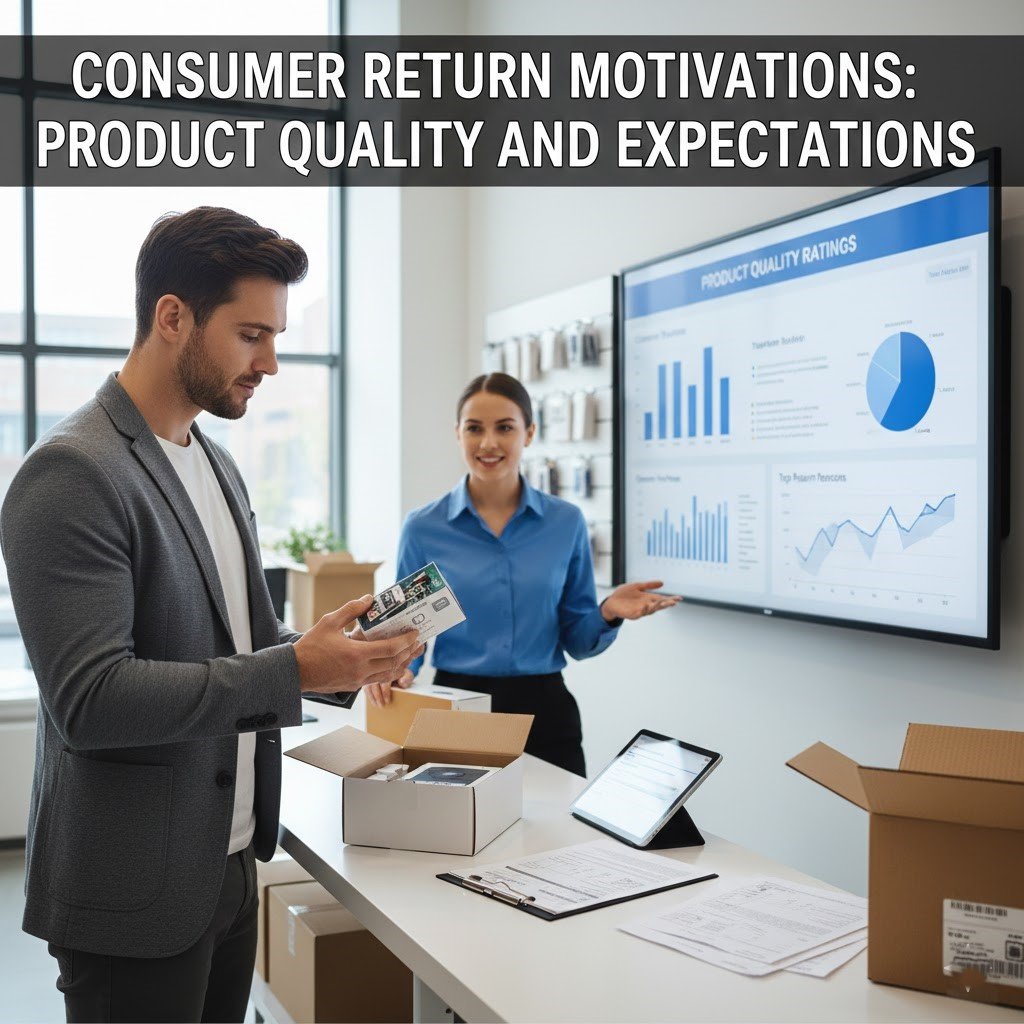
Surveys from global product experience firm Akeneo reveal that high return rates are not only tied to fraud or fashion trends. Consumer complaints frequently center on:
- Poor product quality (30%)
- Mismatch between product photos/descriptions and reality (17%)
- Finding a lower price after purchase (14%)
Customers return products when expectations aren’t met — emphasizing the need for accurate item descriptions, high‑resolution images, and reliable product details.
Strategies for Retailers: Turning Returns Into Opportunities
Rather than simply reacting to return pressure, smart retailers are leveraging data and preparation. eDesk’s Gareth Cummings insists that analyzing Post-Holiday E-Commerce Returns to predict demand and strengthen operations is now a strategic necessity.
Here are actionable strategies retailers can adopt:
1. Predictive Returns Analytics
Using historical return data allows retailers to anticipate return surges, allocate staffing resources effectively, and prepare support channels to handle spikes proactively.
2. Clear Return Policies
Transparent, easy‑to‑find return guidelines reduce customer confusion and inquiries. Clarity strengthens customer trust and sets expectations from the start.
3. Tiered Return Experience
Not all customers should experience returns the same way. Using customer intent signals and purchase history to tailor return options can protect margins while still satisfying loyal shoppers.
4. Emphasis on Pre‑Purchase Accuracy
Enhanced product descriptions, size guides, videos, and customer reviews help customers make informed choices — reducing returns motivated by unmet expectations.
5. Fraud Detection Tools
Implement machine learning systems to identify risky return behavior, flagging patterns indicative of fraud or abuse before they become costly.
6. Sustainable Return Practices
Consumers increasingly value sustainable options. Offering eco‑friendly return packaging or incentives to keep products reduces return volumes and environmental impact.
7. Gift Card Refund Options
Shelly Hunter suggests offering store credit or gift cards instead of cash refunds. This keeps value within the brand ecosystem and reduces losses tied to fraudulent refunds.
The Influence of Return Policies on Buyer Behavior

Return policies now play a central role in purchase decisions, especially as Post-Holiday E-Commerce Returns continue to influence how shoppers choose where to buy. According to Forrester Research analyst Sucharita Kodali:
- 46% of U.S. online adults say free, no‑hassle returns significantly influence where they buy.
- 18% prefer brands with convenient store locations for returns.
- 65% buy more often from companies with easy return processes.
- 55% want sustainable options.
These factors illustrate why return policies are not mere logistics — they are core elements of brand differentiation and competitive advantage.