

Starting an online store in 2026 has never been more accessible. Thanks to powerful ecommerce website builders, entrepreneurs, small businesses, and even large brands can create professional online stores without deep technical knowledge. Whether you’re launching your first product or scaling an established business, choosing the right ecommerce website builder is one of the most important decisions you’ll make.
With hundreds of platforms available, finding the best ecommerce website builder can feel overwhelming. Each platform offers different features, pricing models, scalability options, and customization levels. Some are ideal for beginners, while others cater to advanced sellers and large enterprises.
In this detailed guide, we explore the 10 best ecommerce website builders for 2026, comparing their features, pricing, pros, cons, and ideal use cases. This article will help you confidently choose the best platform for your online store.
What Is an Ecommerce Website Builder?
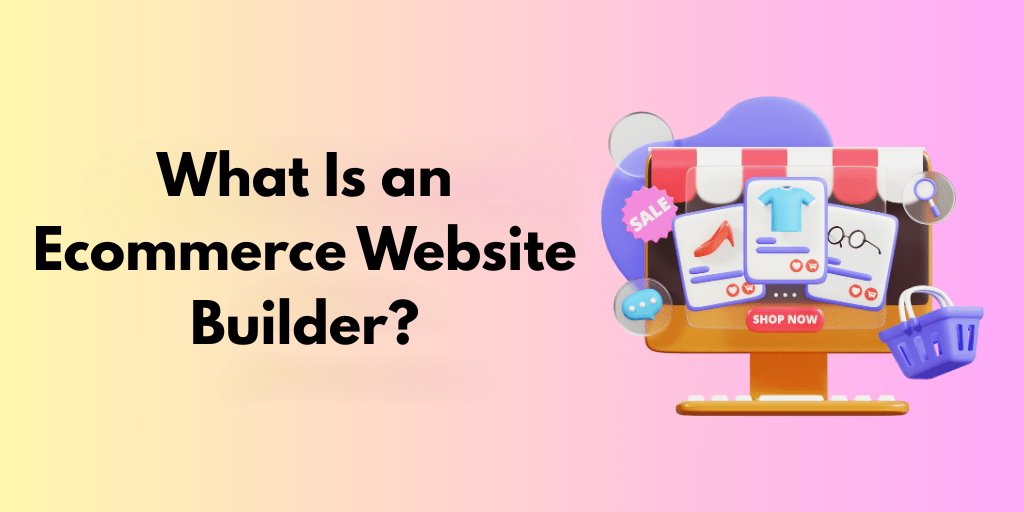
An ecommerce website builder is a software platform that allows users to create, design, and manage an online store without coding. These platforms typically include:
- Website templates and themes
- Product management tools
- Payment gateway integration
- Order and inventory management
- Marketing and SEO tools
- Hosting and security
Modern ecommerce website builders focus on simplicity, speed, mobile optimization, and scalability, making them ideal for sellers at any stage of business growth.
How to Choose the Best Ecommerce Website Builder in 2026

Before diving into the list, here are key factors to consider when selecting an ecommerce website builder:
- Ease of use: Beginner-friendly dashboard and setup
- Customization: Design flexibility and branding control
- Payment options: Multiple gateways and currencies
- Scalability: Ability to grow with your business
- SEO features: Tools to rank higher on search engines
- Pricing: Transparent costs and value for money
- Support: Reliable customer service and documentation
1. Shopify – Best Overall Ecommerce Website Builder

Shopify remains the top ecommerce website builder in 2026, powering millions of online stores worldwide. It is known for its ease of use, robust features, and scalability.
Key Features:
- User-friendly dashboard
- Thousands of apps and integrations
- Multiple payment gateways
- Built-in SEO and marketing tools
- Excellent mobile performance
Pros:
- Ideal for beginners and experts
- Highly scalable
- Strong security and hosting included
Cons:
- Monthly fees
- Transaction fees on some plans
Best For:
Small to large businesses looking for a reliable, all-in-one ecommerce platform.
2. WooCommerce – Best for WordPress Users
WooCommerce is a powerful open-source ecommerce plugin for WordPress. It’s one of the most flexible ecommerce website builders available in 2026.
Key Features:
- Full control and customization
- Thousands of plugins and themes
- No platform transaction fees
- Strong SEO capabilities
Pros:
- Free core plugin
- Highly customizable
- Ideal for content-driven stores
Cons:
- Requires hosting and maintenance
- Steeper learning curve
Best For:
Businesses already using WordPress or those needing advanced customization.
3. Wix Ecommerce – Best for Beginners

Wix Ecommerce is a popular website builder that offers powerful ecommerce tools with a drag-and-drop interface.
Key Features:
- Beginner-friendly editor
- Hundreds of modern templates
- Built-in payment and booking tools
- AI-powered design assistance
Pros:
- Easy to use
- Affordable pricing
- Great design flexibility
Cons:
- Limited scalability for very large stores
- Fewer advanced ecommerce features
Best For:
Small businesses, creatives, and first-time store owners.
4. BigCommerce – Best for Growing Businesses

BigCommerce is a robust ecommerce website builder designed for fast-growing and enterprise-level businesses.
Key Features:
- No transaction fees
- Advanced SEO tools
- Multi-channel selling
- Built-in analytics
Pros:
- Highly scalable
- Strong performance
- Enterprise-ready features
Cons:
- Higher pricing
- Interface can feel complex
Best For:
Medium to large businesses planning rapid growth.
5. Squarespace Commerce – Best for Design-Focused Stores

Squarespace Commerce is known for stunning design templates and simplicity, making it ideal for visually driven brands.
Key Features:
- Beautiful, responsive templates
- Built-in marketing tools
- Easy product management
- Secure hosting
Pros:
- Excellent design quality
- Simple interface
- All-in-one solution
Cons:
- Limited third-party apps
- Not ideal for complex stores
Best For:
Artists, photographers, and lifestyle brands.
6. Adobe Commerce (Magento) – Best for Enterprise Stores

Adobe Commerce, formerly Magento, is a powerful ecommerce platform built for large-scale businesses.
Key Features:
- Advanced customization
- Multi-store management
- Global selling capabilities
- Strong analytics and reporting
Pros:
- Extremely flexible
- Enterprise-level performance
- Advanced B2B features
Cons:
- High development costs
- Requires technical expertise
Best For:
Large enterprises and complex ecommerce operations.
7. Zyro by Hostinger – Best Budget Ecommerce Builder

Zyro is a rising ecommerce website builder offering affordability and simplicity without sacrificing essential features.
Key Features:
- AI-powered tools
- Fast loading speeds
- Built-in marketing tools
- Secure hosting
Pros:
- Budget-friendly pricing
- Easy setup
- Good performance
Cons:
- Limited integrations
- Smaller app ecosystem
Best For:
Startups and small businesses on a tight budget.
8. Weebly Ecommerce – Best for Simple Online Stores

Weebly, owned by Square, offers a simple ecommerce solution ideal for small sellers.
Key Features:
- Drag-and-drop editor
- Square payment integration
- Basic inventory tools
- Mobile-friendly design
Pros:
- Very easy to use
- Affordable
- Good for local sellers
Cons:
- Limited scalability
- Fewer advanced features
Best For:
Small shops, local businesses, and beginners.
9. OpenCart – Best Open-Source Ecommerce Builder

OpenCart is an open-source ecommerce website builder offering flexibility and control.
Key Features:
- Free to use
- Multi-store functionality
- Extensive extension marketplace
- Lightweight performance
Pros:
- Cost-effective
- Customizable
- Strong community support
Cons:
- Requires technical knowledge
- Limited official support
Best For:
Developers and businesses seeking a self-hosted solution.
10. Ecwid – Best for Adding Ecommerce to Existing Websites
Ecwid allows users to add ecommerce functionality to an existing website or social media platform.
Key Features:
- Easy integration
- Multi-channel selling
- Free plan available
- Mobile management app
Pros:
- Simple setup
- Works with any website
- Affordable
Cons:
- Limited customization
- Less powerful for large stores
Best For:
Businesses that already have a website and want to add online selling.
Comparison Table: Best Ecommerce Website Builders (2026)

| Platform | Best For | Ease of Use | Scalability |
|---|---|---|---|
| Shopify | All businesses | Very Easy | High |
| WooCommerce | WordPress users | Medium | High |
| Wix | Beginners | Very Easy | Medium |
| BigCommerce | Growing brands | Medium | Very High |
| Squarespace | Design-focused | Easy | Medium |
| Adobe Commerce | Enterprises | Hard | Very High |
| Zyro | Budget stores | Easy | Medium |
| Weebly | Small shops | Very Easy | Low |
| OpenCart | Developers | Hard | Medium |
| Ecwid | Existing sites | Easy | Medium |