
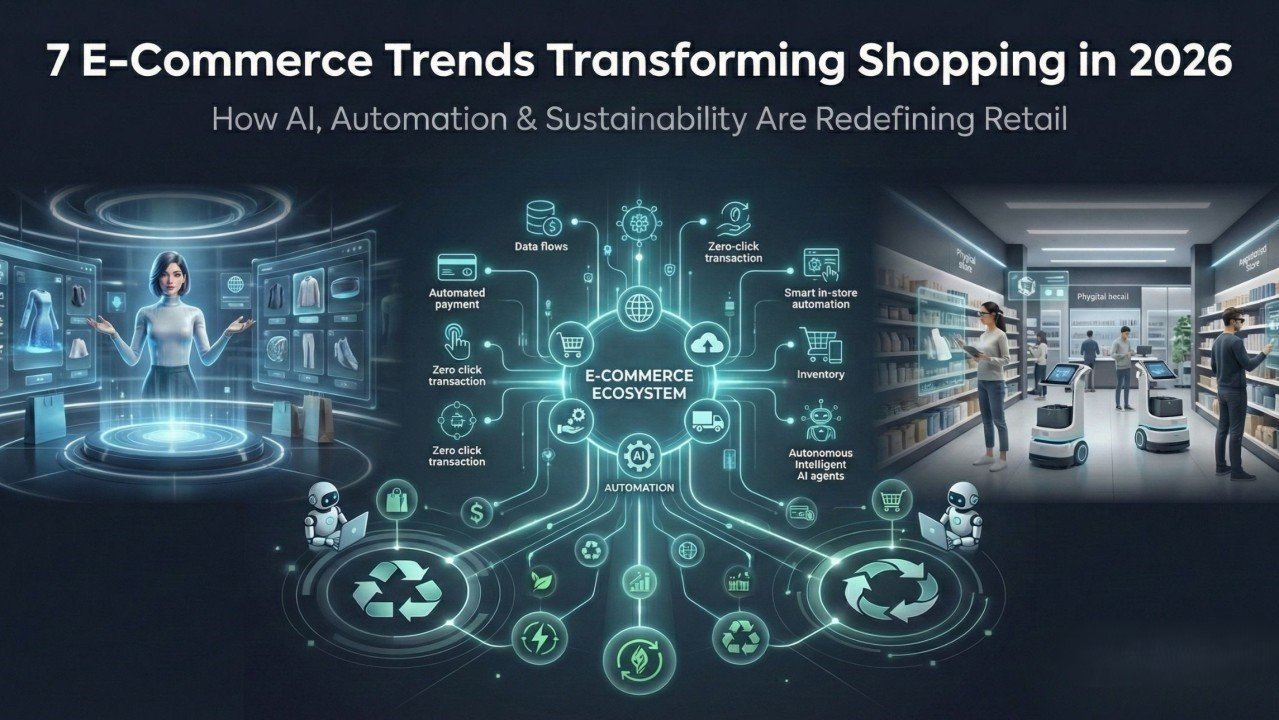
The retail industry is standing at the edge of one of its most dramatic transformations yet. As we move toward 2026, e-commerce is no longer just about selling products online—it’s about creating intelligent, seamless, and deeply personalized experiences. These changes are driven by artificial intelligence, automation, and digital connectivity, highlighting the 7 e-commerce trends transforming online shopping in 2026.
Retail’s AI-driven digital transformation is already in motion, but the coming year will accelerate it in ways that fundamentally change how consumers shop and how businesses operate. Customers increasingly expect shopping to be effortless, intuitive, and tailored to their individual needs. At the same time, retailers are turning to advanced technology to boost efficiency, improve margins, and stay competitive in an overcrowded digital marketplace.
Adding to this shift, the once-clear boundary between physical stores and online shopping is rapidly disappearing. Algorithms are reshaping how products are discovered, purchased, and delivered, while social platforms and AI tools are becoming powerful sales engines in their own right.
So what does the future hold? Below are the 7 e-commerce trends transforming online shopping in 2026, which will redefine both online and offline retail, shape consumer behavior, and push brands to rethink how they engage with shoppers.
1. AI Agents Will Become Personal Shoppers
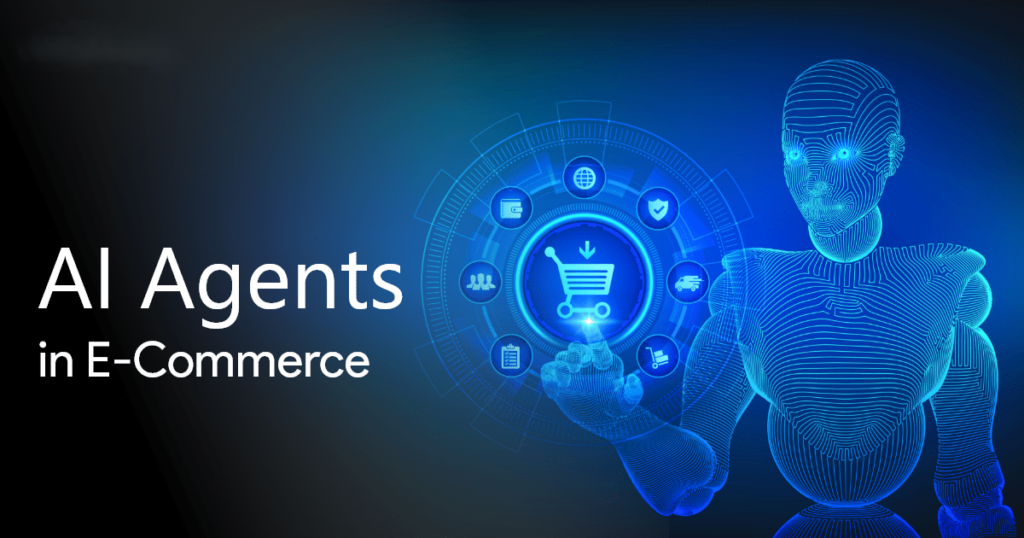
One of the most transformative developments in retail is the rise of AI agents acting as personal shoppers, a key example among the 7 e-commerce trends transforming online shopping in 2026. These are not simple chatbots that answer basic questions; they are intelligent systems capable of browsing websites, comparing prices, managing budgets, and even completing purchases on behalf of users.
Imagine telling an AI agent, “Find me the best deal on weekly groceries” or “Book a family vacation within this budget,” and having it handle everything—from research to checkout. That future is closer than many realize.
By 2026, AI agents will dramatically reduce the time consumers spend searching, comparing, and making decisions. For shoppers, this means convenience, speed, and confidence. For retailers, it requires adapting product listings, pricing strategies, and digital infrastructure so these agents can easily access and interpret offerings.
Brands that fail to optimize for AI-driven shopping assistants risk becoming invisible, while those that embrace this shift early will gain a powerful competitive advantage—demonstrating why AI agents are a crucial part of the 7 e-commerce trends transforming online shopping in 2026.
2. Agentic Payment Protocols Will Build Trust in AI-Driven Purchases
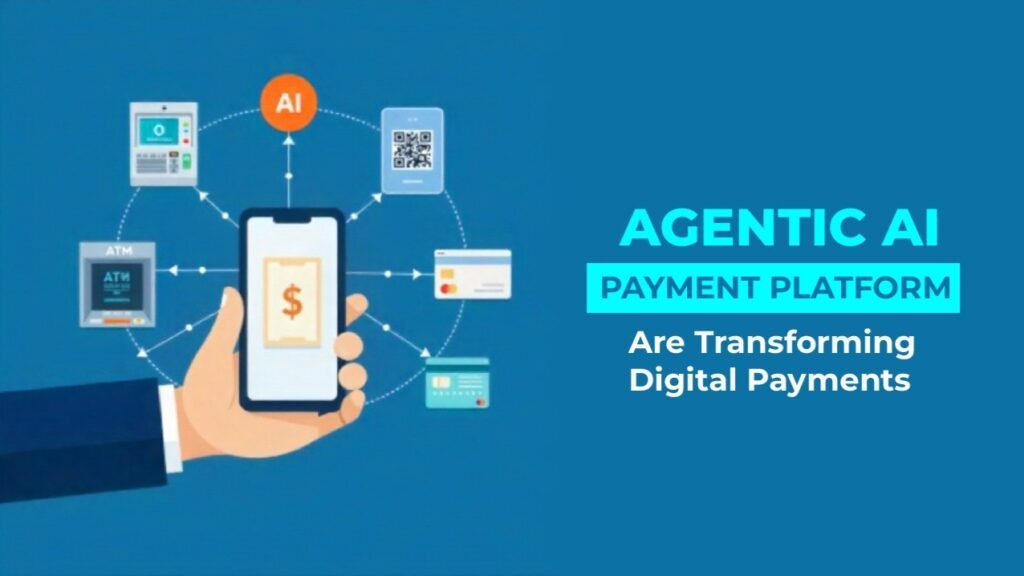
If AI agents are making purchasing decisions, a critical question arises: How do we trust them with money? This challenge is at the heart of the 7 e-commerce trends transforming online shopping in 2026, particularly the rise of agentic payment protocols.
These protocols define how AI agents are authorized to spend, the limits they operate under, and how transactions are verified and secured. Major technology and financial companies are already laying the groundwork. Google, for instance, has introduced a framework for agent-based payments in collaboration with financial institutions and blockchain platforms, ensuring AI agents act strictly within user-defined rules—such as spending limits, approved merchants, and purchase categories.
For e-commerce businesses, integrating with agentic payment systems will become essential. Trust, transparency, and security will determine whether consumers feel comfortable allowing AI to handle their purchases. Retailers that align early with these standards will be well-positioned to attract AI-assisted buyers, highlighting the importance of this trend among the 7 e-commerce trends transforming online shopping in 2026.
3. Virtual Influencers Will Power the Next Wave of Social Commerce
Social media has already transformed how products are marketed and sold, but by 2026, social commerce will be increasingly driven by virtual and AI-powered influencers—a key example of the 7 e-commerce trends transforming online shopping in 2026.
Platforms like Instagram, TikTok, and Facebook are no longer just spaces for content consumption—they have become fully integrated shopping environments. Consumers can discover products, watch demonstrations, and complete purchases without ever leaving the app.
What’s changing is who does the selling. Virtual influencers—digital personalities powered by AI—are gaining popularity because they are always available, perfectly on-brand, and capable of engaging audiences around the clock. They can host live shopping events, respond instantly to comments, and adapt their messaging based on real-time data.
For brands, virtual influencers offer scalability and consistency. Unlike human creators, they don’t require breaks, contracts, or scheduling conflicts. By 2026, more retailers will invest in AI-generated brand ambassadors to drive sales, build communities, and influence purchasing decisions, highlighting one of the 7 e-commerce trends transforming online shopping in 2026.
4. Experiential Retail and the Rise of “Phygital” Shopping
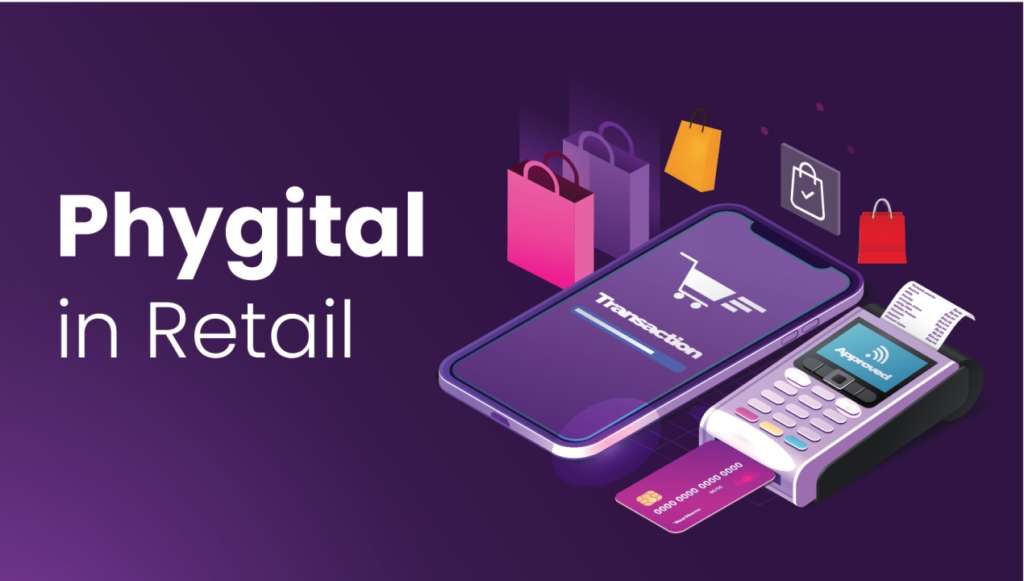
Today’s consumers are no longer motivated solely by price or product quality. The experience matters just as much—if not more.
This shift has led to the rise of experiential retail and the blending of physical and digital shopping, often referred to as “phygital” commerce. Retailers are reimagining stores not just as places to buy products, but as immersive brand experiences.
In 2026, physical stores will increasingly serve as experience centers where customers can explore products, interact with digital displays, and receive personalized recommendations—while the actual purchase and delivery may happen online. Buy online, pick up in store; buy in store, ship to home; return online purchases in physical locations—these options are becoming standard expectations.
The goal is simple: remove friction and create a seamless journey across every touchpoint. Retailers that successfully merge online convenience with offline engagement will build stronger emotional connections and long-term customer loyalty.
5. Zero-Click Commerce Will Reshape Product Discovery
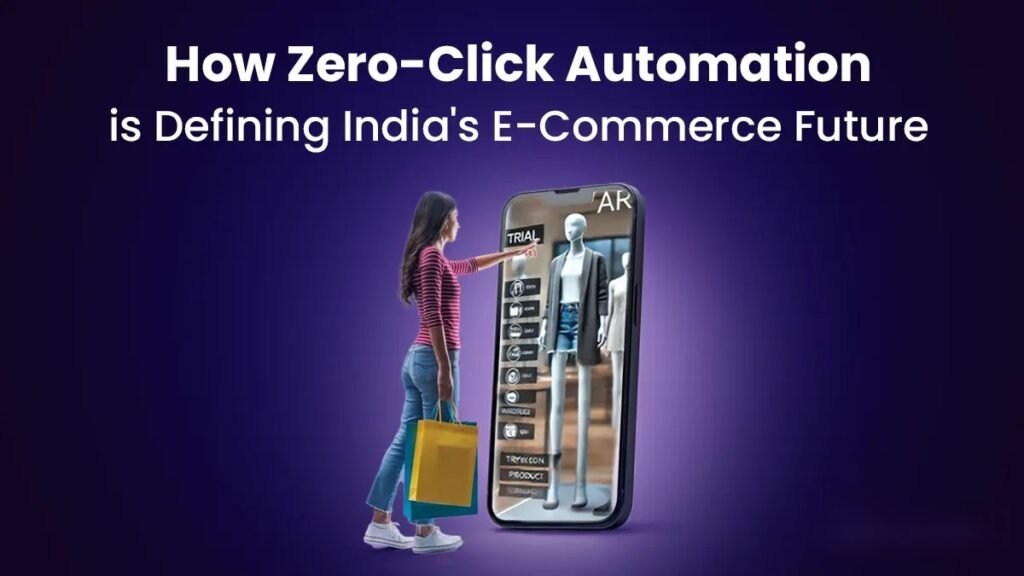
The way consumers find products online is undergoing a major shift. With AI-powered search tools and conversational assistants becoming more prevalent, zero-click commerce is emerging as a defining trend.
Instead of clicking through multiple websites, consumers increasingly receive direct answers, recommendations, or product suggestions within AI interfaces. In many cases, purchases may be initiated without ever visiting a retailer’s website.
For businesses, this presents both a challenge and an opportunity. Traditional SEO strategies focused on website traffic may become less effective. Instead, retailers must ensure their product data is structured, detailed, and optimized for AI consumption.
This means creating rich product feeds, clear pricing information, accurate descriptions, and compatibility with AI shopping platforms. While the long-term impact of zero-click commerce is still unfolding, one thing is certain: brands that adapt early will remain visible in an AI-driven discovery landscape.
6. In-Store Automation and Frictionless Shopping Experiences
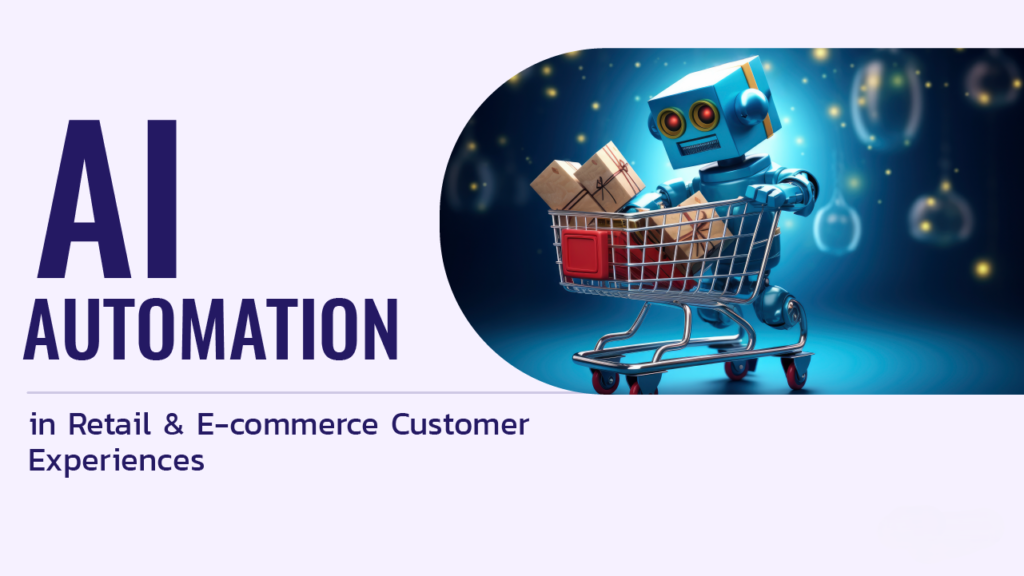
Automation is no longer limited to warehouses and logistics. By 2026, in-store automation will be a core part of the retail experience.
Cashierless checkout systems, smart shelves, robotic inventory management, and AI-powered customer assistants are becoming increasingly common. These technologies reduce wait times, prevent stock shortages, and enhance overall efficiency.
However, the most successful retailers won’t simply use automation to cut costs. Instead, they’ll use it to free up human staff for higher-value interactions—such as personalized assistance, expert advice, and customer relationship building.
Frictionless shopping doesn’t mean eliminating human touch; it means removing unnecessary obstacles so staff can focus on what truly matters: creating meaningful, memorable experiences that machines alone cannot replicate.
7. Sustainability and the Growth of Circular Retail Models
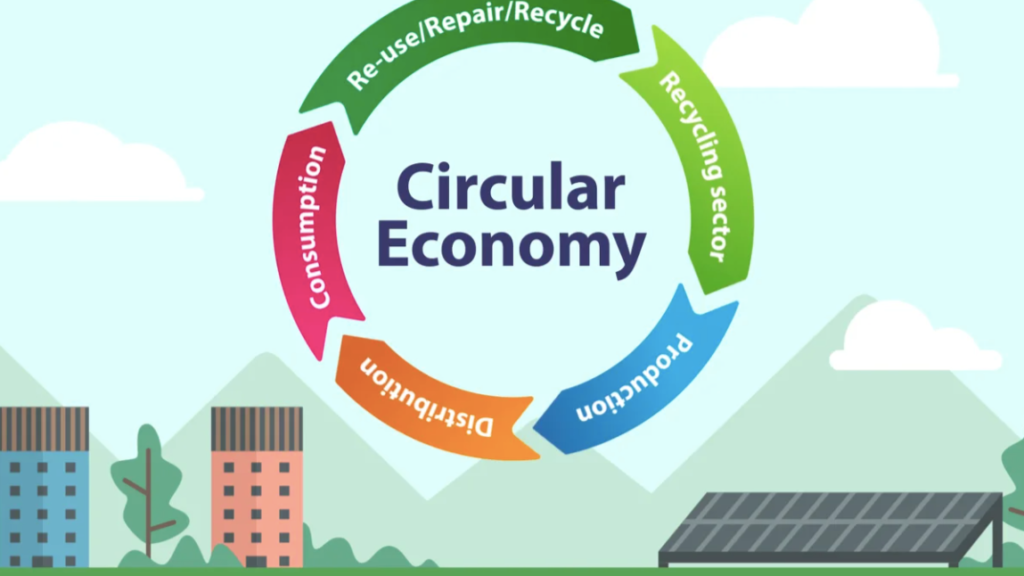
Sustainability is no longer a niche concern—it’s a major driver of purchasing decisions. By 2026, circular retail models will become a key differentiator for brands seeking to align with environmentally conscious consumers.
Retailers are increasingly offering trade-in programs, repair services, resale platforms, and extended product warranties to reduce waste and extend product life cycles. Luxury brands, in particular, are embracing resale marketplaces as a way to maintain brand value while promoting sustainability.
Consumers want transparency and authenticity. They expect brands to demonstrate real commitment to environmental responsibility, not just marketing slogans. Businesses that embed sustainability into their operations—rather than treating it as an add-on—will earn trust and long-term loyalty.
The Future of Retail: Reimagined, Intelligent, and Customer-Centric
The retail revolution of 2026 isn’t about a single technology or trend. It’s about reimagining the relationship between brands and customers.
AI-powered personalization, intelligent automation, seamless physical-digital integration, and genuine sustainability efforts are coming together to create a new commerce ecosystem—one that prioritizes convenience, trust, and meaningful experiences.
For retailers, the message is clear: prepare now. Invest in AI-friendly infrastructure, rethink customer journeys, and embrace innovation with purpose. For consumers, shopping will become faster, smarter, and more aligned with personal values than ever before.
The businesses that thrive in 2026 won’t be the ones that simply adopt new tools—but those that use them thoughtfully to serve evolving customer needs. The future of shopping is not just digital or physical—it’s intelligent, connected, and deeply human at its core.