
As we move into 2026, online retail continues to reshape how people discover products, interact with brands, and make purchasing decisions. Global ecommerce sales are projected to cross $3.8 trillion in 2026, with forecasts suggesting the market could exceed $4.9 trillion by 2030. This rapid growth creates massive opportunities for brands — but also intense competition.
To stay ahead, businesses must understand the latest innovations and evolving customer expectations. 15 Ecommerce Trends You Need to Know to Succeed in 2026 highlight the technologies, strategies, and shifts that will define success in the coming year. From AI-driven shopping and composable commerce to social commerce, flexible payments, and B2B transformation, these trends show how brands can innovate effectively without unnecessary complexity.
In this guide, we explore 15 Ecommerce Trends You Need to Know to Succeed in 2026, why they matter, and how businesses can leverage them strategically to drive growth, improve customer experience, and outperform competitors in a fast-moving digital marketplace.
Why Ecommerce Trends Matter More Than Ever
Today’s consumers are more informed, more impatient, and more empowered than ever before. They expect:
- Personalized experiences
- Seamless mobile journeys
- Fast, flexible checkout
- Transparent data practices
- Consistent experiences across channels
At the same time, brands face rising acquisition costs, tighter margins, and higher operational complexity. The right ecommerce trends help businesses improve customer experience while reducing friction and inefficiency behind the scenes.
Understanding trends isn’t about chasing hype. It’s about identifying which innovations align with your customers, your business model, and your long-term growth strategy.
1. Artificial Intelligence Solves Customer Pain Points Faster
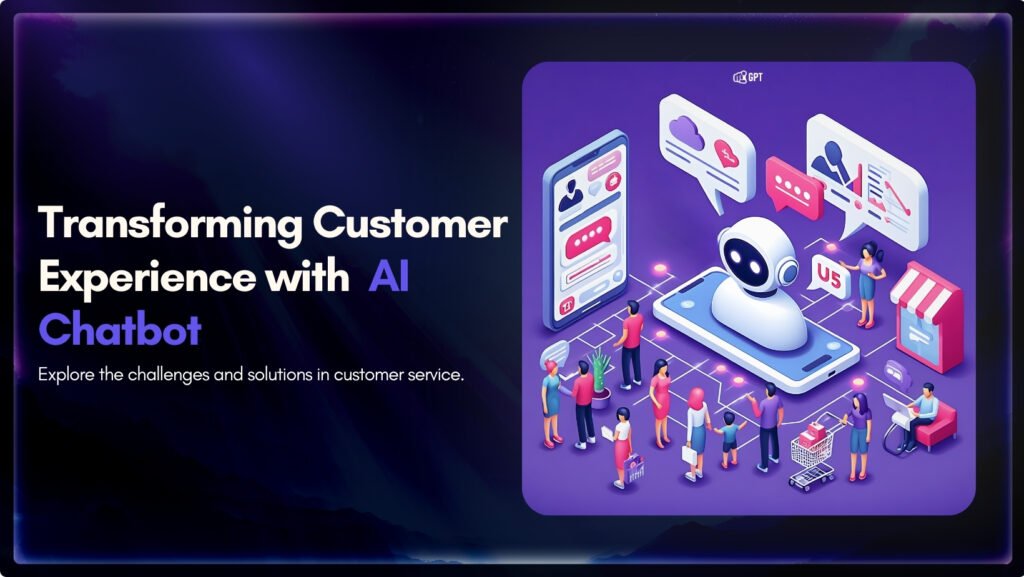
Artificial intelligence has moved from “experimental” to “essential” in ecommerce.
In 2026, AI is deeply embedded across the customer journey, helping brands respond faster, personalize better, and operate more efficiently. Instead of replacing humans, AI enhances decision-making and removes repetitive work.
Where AI Is Making the Biggest Impact
- Personalized product recommendations
- Smarter search and discovery
- Automated customer support
- Demand forecasting and inventory planning
- Fraud detection and transaction monitoring
The biggest benefit? Speed with relevance. Customers get answers, suggestions, and support faster — without sacrificing accuracy.
2. Agentic Commerce Accelerates the Shopping Journey
Agentic commerce is the next evolution of AI-powered ecommerce.
Rather than simply responding to commands, AI agents act on behalf of shoppers, anticipating needs and completing tasks with minimal input.
Examples of Agentic Commerce in Action
- AI shopping assistants that compare products and place orders
- Autonomous carts that build recurring purchases
- Intelligent search agents that refine results automatically
- Proactive customer service that resolves issues before complaints arise
This shift dramatically reduces friction and decision fatigue. For consumers, it saves time. For brands, it increases conversion and loyalty.
3. AI-Generated Content Speeds Up Creative Workflows
Content creation has always been a bottleneck in ecommerce — especially for brands managing thousands of SKUs.
In 2026, AI-powered content tools help teams scale faster without sacrificing quality.
How Brands Use AI Content Today
- Writing product descriptions at scale
- Creating SEO-optimized blogs and landing pages
- Personalizing email and ad copy
- Translating content for global markets
- Generating A/B test variations instantly
Human oversight still matters, but AI dramatically reduces manual effort and accelerates iteration.
4. AI Automation Helps Teams Do More With Less

Automation is no longer just about efficiency — it’s about scalability.
Ecommerce leaders are using AI to connect systems across marketing, fulfillment, customer service, and analytics.
Key Areas of AI Automation
- Chatbots handling common customer inquiries
- Inventory systems predicting demand and restocking
- Smart fulfillment routing and returns processing
- Automated marketing campaigns triggered by behavior
- Real-time fraud prevention
The result is a more responsive business that scales without increasing headcount.
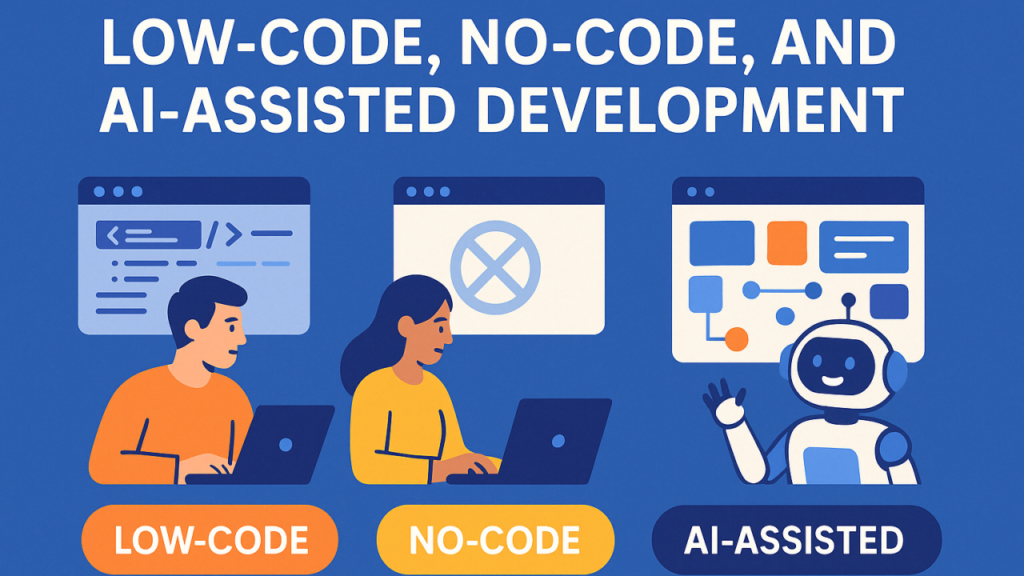
5. No-Code, Low-Code, and AI-Assisted Building Remove Bottlenecks
In 2026, ecommerce speed is a competitive advantage.
No-code and AI-assisted tools allow non-technical teams to build, test, and optimize storefront experiences without waiting on developers.
What’s Changed
- Visual storefront builders enable rapid page updates
- Product data enrichment is automated and centralized
- AI coding tools help teams generate scripts and integrations
- Engineers use AI to refactor, test, and document faster
The best stacks combine self-service flexibility with governance, allowing teams to move fast without breaking critical systems.
6. Blockchain Improves Security and Transparency
As online transactions increase, trust becomes a differentiator.
Blockchain technology enhances ecommerce by providing secure, transparent, and verifiable transaction records.
How Blockchain Is Used in Ecommerce
- Secure payment verification
- Fraud reduction through decentralized ledgers
- Smart contracts for automated payments and returns
- Transparent supply chain tracking
- Enhanced data privacy and identity protection
As customers demand greater transparency, blockchain plays a growing role in building confidence.
7. Livestream Shopping Goes Mainstream

Livestream shopping blends entertainment and ecommerce — and it works.
Once popular primarily in Asia, livestream commerce is now a major sales channel in Western markets through platforms like TikTok Live and eBay Live.
Why Livestream Shopping Converts
- Live product demonstrations build trust
- Real-time Q&A removes objections
- Limited-time offers create urgency
- Influencer hosts boost credibility
- Integrated checkout reduces friction
With conversion rates far higher than traditional ecommerce, livestream shopping is a powerful engagement tool in 2026.
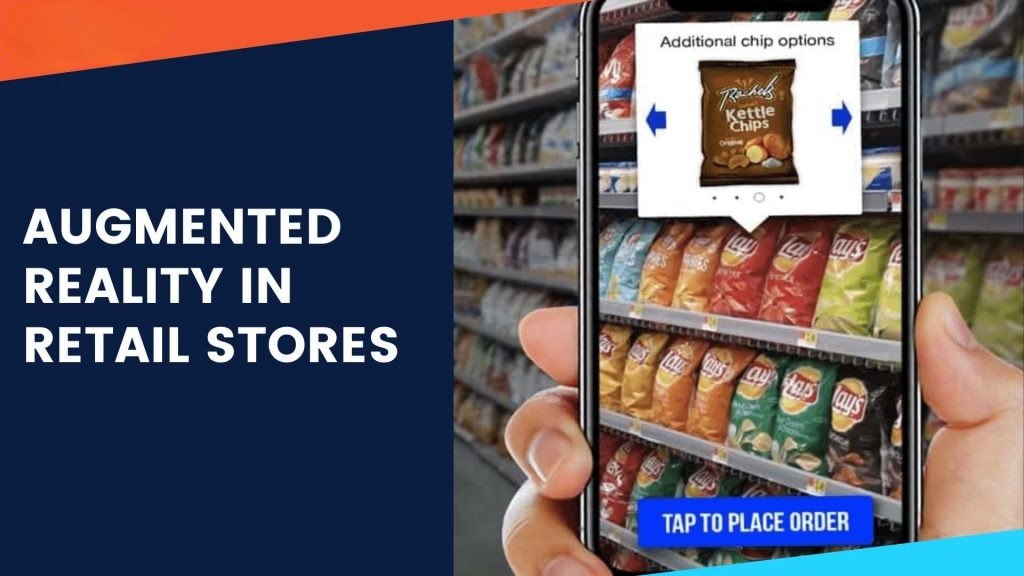
8. Augmented Reality Brings the Store to the Screen
One of ecommerce’s biggest challenges has always been visualization.
Augmented reality (AR) solves this by letting customers see products in context before buying.
Popular AR Use Cases
- Virtual try-ons for apparel and cosmetics
- 3D product views with rotation and zoom
- In-home previews for furniture and decor
- Interactive shopping experiences
By reducing uncertainty, AR increases buyer confidence and lowers return rates.
9. Voice Search and Voice Commerce Gain Momentum

Voice-enabled devices are changing how consumers search and shop.
Shoppers now use natural language to search for products, compare options, and place orders — often hands-free.
How Brands Optimize for Voice Commerce
- Conversational content and FAQs
- Fast mobile performance
- Structured data for voice results
- Long-tail, question-based keywords
As voice becomes more common, optimizing for spoken queries removes friction from discovery.
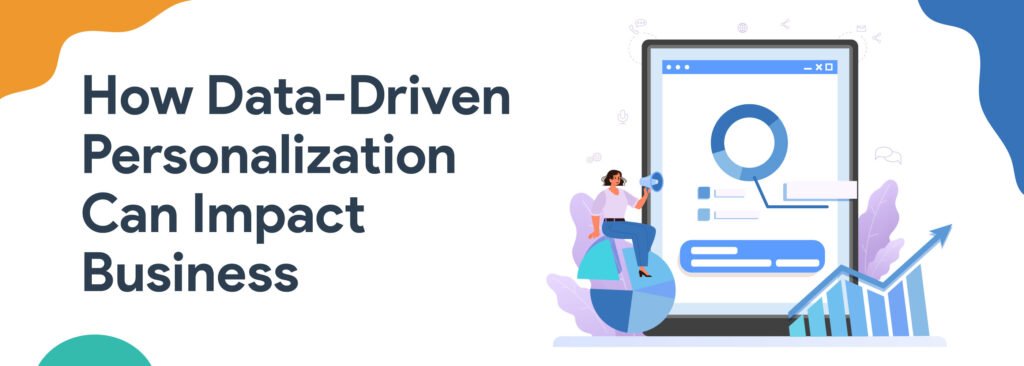
10. Personalization Powered by Data Becomes the Standard
Modern shoppers expect brands to understand them.
Personalization now spans every touchpoint — from product recommendations to pricing and messaging.
Where Personalization Shows Up
- Consistent omnichannel experiences
- Behavior-based recommendations
- Dynamic ads and retargeting
- Personalized emails and notifications
- Adaptive pricing strategies
Transparency is just as important. Customers increasingly want control over how their data is used.
11. Hyper-Personalization and Predictive Analytics Drive Growth

Hyper-personalization goes beyond segments and treats each shopper as an individual.
Using real-time data and predictive analytics, brands can anticipate needs and act proactively.
Benefits of Predictive Insights
- Identifying high-value customers
- Forecasting demand trends
- Preventing churn
- Optimizing timing and messaging
Predictive analytics turns data into strategy — not just reports.
12. Semantic Search Improves Product Discovery
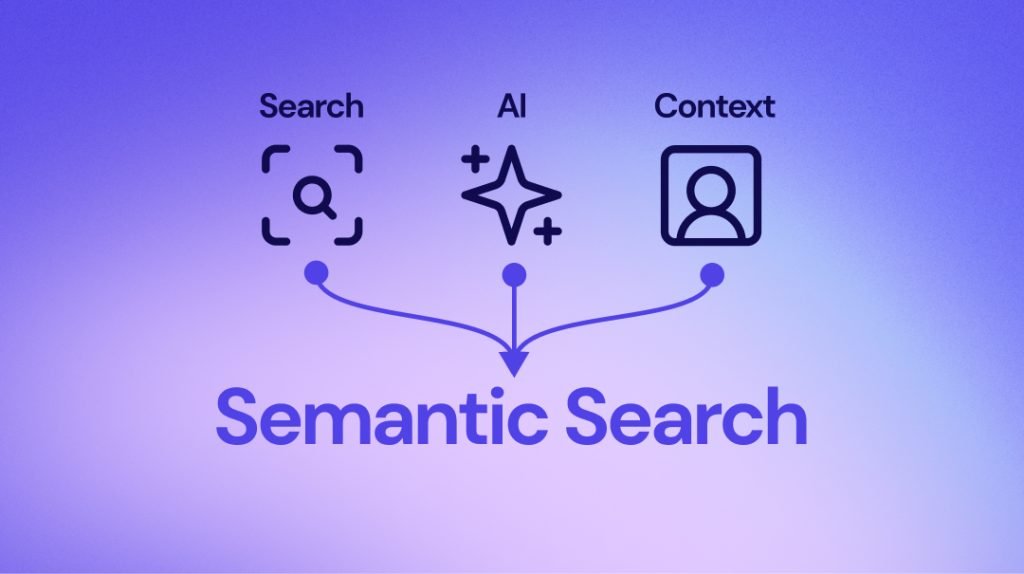
Keyword-based search is no longer enough.
Semantic search understands intent, not just words, delivering more relevant results for complex queries.
Why Semantic Search Matters
- Fewer zero-result searches
- Better conversion rates
- Support for conversational and AI-driven search
- Stronger foundations for future AI tools
As shoppers search more naturally, semantic search becomes essential for modern storefronts.
13. Mobile Commerce Continues to Dominate
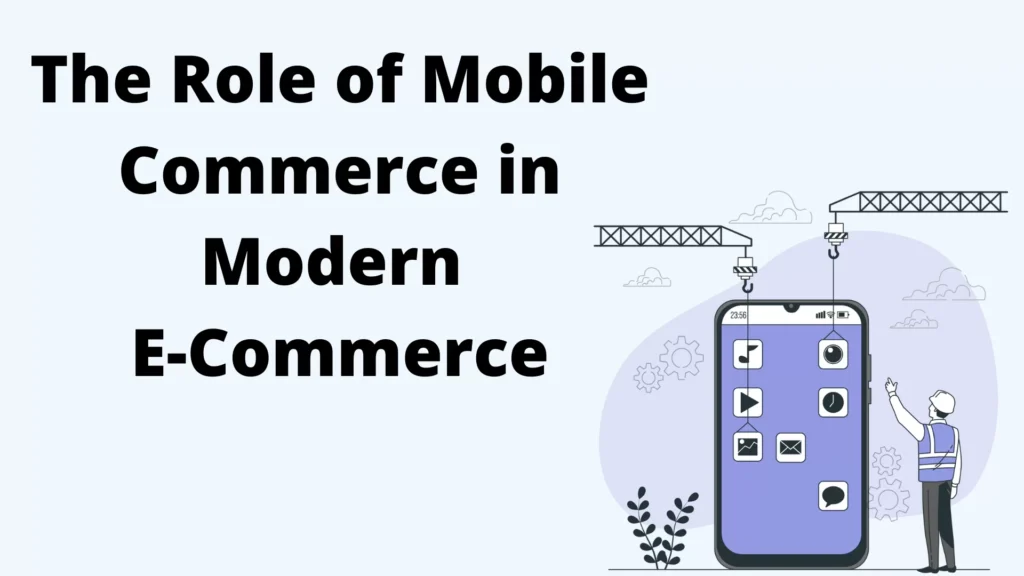
Mobile shopping isn’t a trend — it’s the default.
Consumers browse, compare, and purchase on smartphones, expecting fast, intuitive experiences.
Mobile Optimization Essentials
- Responsive design
- Simplified navigation
- One-click checkout
- Mobile wallets
- Fast page load times
Brands that prioritize mobile consistently outperform those that treat it as secondary.
14. Flexible Payments Remove Checkout Friction
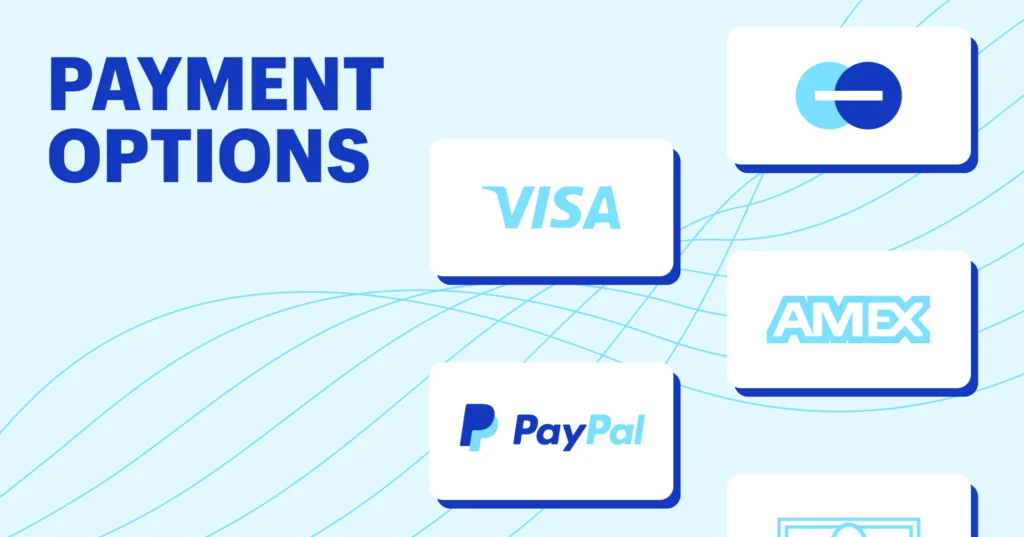
Checkout is where sales are won or lost.
Offering flexible payment options reduces abandonment and increases conversion.
Popular Payment Options in 2026
- Buy Now, Pay Later (BNPL)
- Digital wallets
- One-click checkout
- Accelerated guest checkout
Shoppers want choice, speed, and security — and brands that deliver it win more sales.
15. Social Commerce Turns Attention Into Revenue
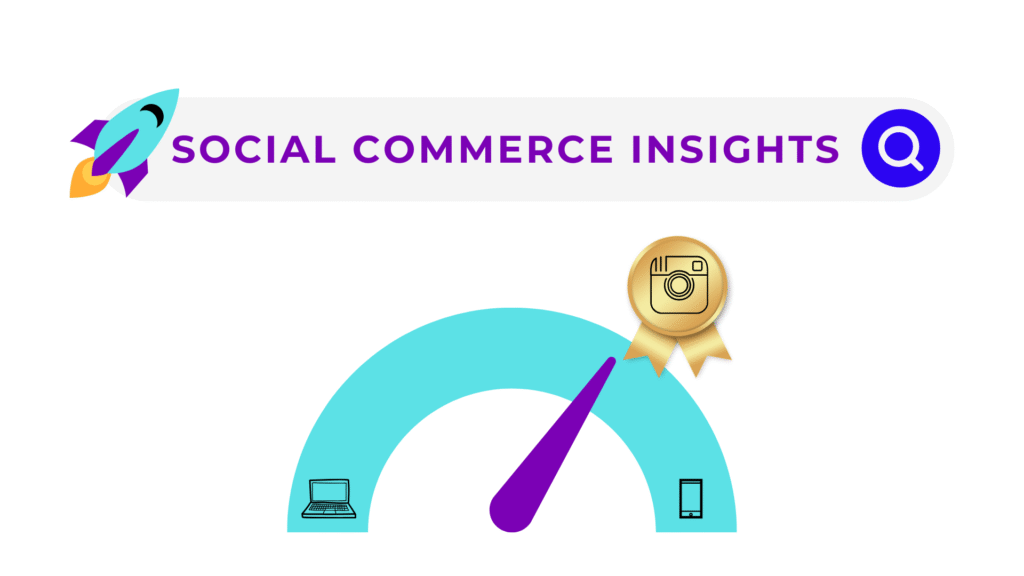
Social platforms are no longer just discovery channels — they’re full shopping ecosystems.
In-app checkout, shoppable posts, and influencer commerce allow customers to buy without leaving their feeds.
Why Social Commerce Works
- Seamless discovery-to-purchase journeys
- Influencer trust and social proof
- Mobile-first experiences
- Live and interactive formats
When shopping fits naturally into content consumption, conversion rates rise.
How to Decide Which Trends Are Right for Your Business
Not every trend fits every brand. Smart adoption starts with evaluation.
Key Questions to Ask
- Does this trend align with our customers’ behavior?
- Can we support it operationally?
- What is the expected ROI?
- Does it support long-term strategy?
Practical Steps
- Follow industry research and reports
- Analyze your customer data
- Collect direct customer feedback
- Study competitor performance
- Evaluate cost versus impact
Trends should serve strategy — not distract from it.
For more details https://www.bigcommerce.com/blog/ecommerce-trends/